

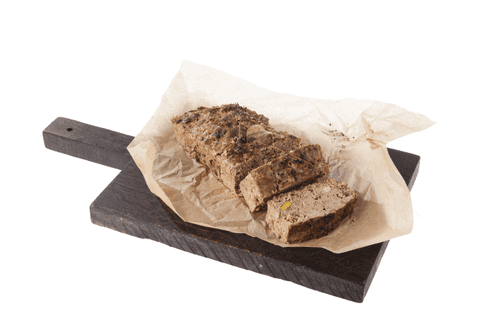
Easter cake with dry yeast
4 servings
300 minutes
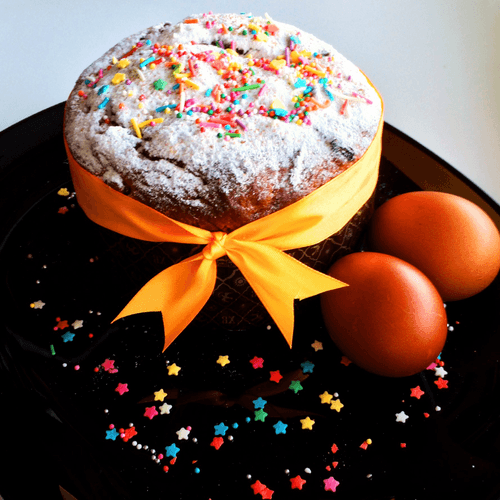
Easter kulich is a traditional Russian pastry symbolizing joy and renewal. This version is made with dry yeast, making the process easier and the dough airy and fragrant. Kulich has a rich sweet taste with delicate citrus and spicy notes of cardamom and vanilla. The addition of raisins and candied fruits gives it a festive color and textural variety. Its golden crust and tender crumb create a sense of home comfort. Historically, kulich was baked for Easter, symbolizing Christ's resurrection, and served with dyed eggs and cottage cheese pascha. Today it remains an integral part of the holiday, bringing families together at the table. Decorated with glaze, kulich becomes a true work of art, and its preparation is a ritual filled with good thoughts and anticipation of the bright holiday.
1
Gently heat the milk (to room temperature) in a pot and completely dissolve the yeast in it. Mix thoroughly to avoid lumps.
- Milk: 0.5 l
- Dry yeast: 1 tablespoon
2
Sift half of the flour and add it to the milk. Mix everything well again. Cover the pot with a lid, place a towel on top, and put it in a warm place for half an hour. During this time, the dough should double in size. If this doesn't happen in half an hour, let the dough for the Easter cake sit a bit longer.
- Wheat flour: 700 g
3
We separate the yolks from the whites of the eggs. We thoroughly mix the yolks with 300 g of sugar, add cardamom, vanilla, and slightly melted butter. We incorporate this mixture into the dough. We knead well and add the remaining flour. We mix again.
- Chicken egg: 6 pieces
- Sugar: 300 g
- Cardamom: pinch
- Vanilla: pinch
- Butter: 200 g
- Wheat flour: 700 g
4
Preparing the dough for Easter kulich is a true sacred act. Don't rush, think only of good things. We'll cover the dough with a towel and let it rise for an hour.
5
While the dough is rising, we wash the raisins and soak them for 2 minutes. We mix them with candied fruits and coat them in flour (to prevent sinking to the bottom of the kulich). We add the candied fruits and raisins to the Easter kulich dough, mix it, and let it rest for another hour.
- Raisin: 150 g
- Candied fruit: 150 g
- Wheat flour: 700 g
6
Lightly grease the Easter cake mold with a piece of melted butter and sprinkle a little flour on the bottom. Place the prepared dough in.
- Butter: 200 g
- Wheat flour: 700 g
7
To prevent the kulich from overflowing during baking, fill the mold to 1/3 of its height. Cover it with a towel and let it sit for another half hour. Brush the top of the kulich with beaten egg. You can sprinkle crushed candied fruits on top.
- Chicken egg: 6 pieces
- Candied fruit: 150 g
8
Send the future kulich to the oven and bake for an hour. You can check the readiness of the Easter kulich with a regular toothpick. If the dough sticks, the kulich is not ready yet.
9
Open the oven door very carefully (and for the first half hour of baking do not open it at all and walk around only on tiptoes) — the fluffy and delicate dough is afraid of any jolts and shocks. If the Easter cake is not ready yet but its crust has already browned significantly, cover the bake with foil. Baking time depends on the size of the cake; if all ingredients are for one cake, bake for about an hour or more. Do not take the Easter cake out of the oven immediately when you think it is ready. Let it sit and fill with warmth.
10
A slightly cooled Easter cake can be covered with festive icing.
- Powdered sugar: 200 g
- Lemon: 1 piece