

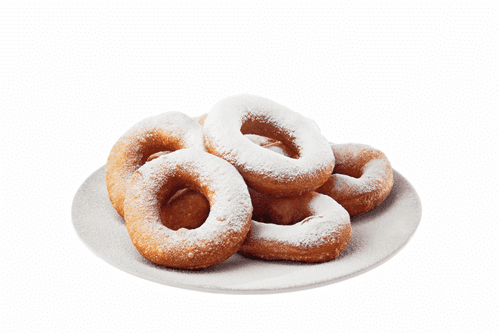
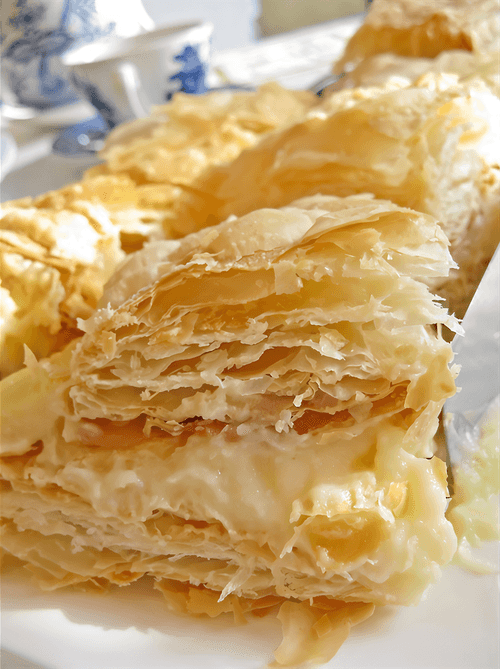
Napoleon Cake with Orange Cream
12 servings
120 minutes
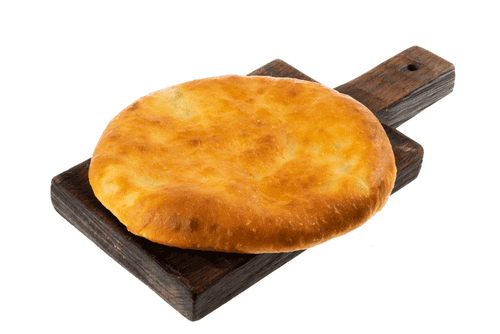
This recipe differs very favorably from most of the well-known and more or less classic versions of Napoleon in that it does not require repeated and tedious rolling out of dough with butter or baking twenty separate layers. The dough is already beautifully layered. In addition, as an added bonus, it is great for pies with meat or cheese.
1
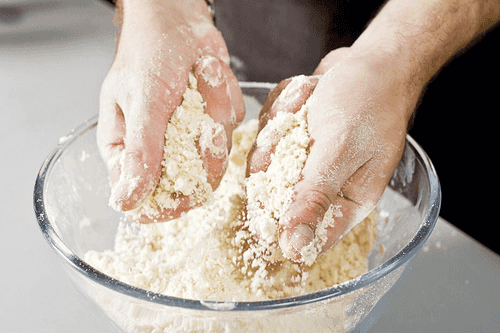
Chop the chilled margarine with flour into fine crumbs using a sharp knife or a special dough blender. You can also grate the margarine and then mix it with the flour by hand — the key is to act quickly so the margarine doesn't start to melt.
- Margarine: 300 g
- Wheat flour: 3 glasss
2
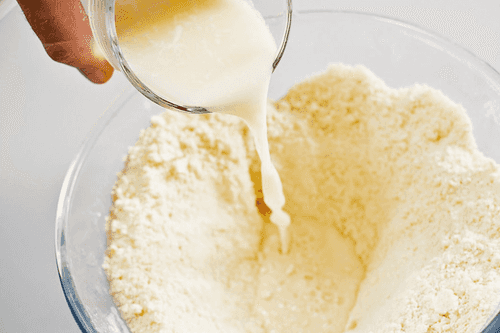
Make a small well in the mixture of flour and margarine. In a glass, mix one egg with vinegar and salt. Fill the glass to the top with water. Gradually pour the resulting mixture into the center of the well and gently knead the dough with a spoon.
- Chicken egg: 2 pieces
- Apple cider vinegar: 1 tablespoon
- Salt: pinch
- Water: 200 ml
3
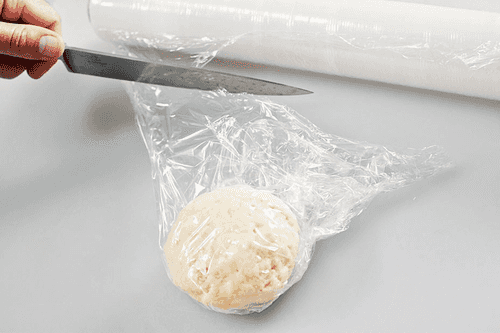
Carefully gather the prepared dough into a ball (better with two spoons) and place it on the table. Cut the ball into three equal parts, wrap each in plastic wrap, and refrigerate for at least thirty minutes.
4
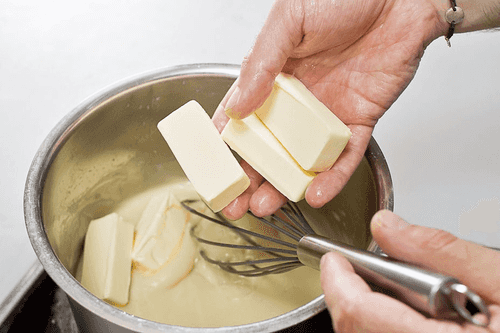
In a small pot, mix sugar with one tablespoon of flour, add an egg, and pour in milk. Place on low heat and cook, stirring continuously and not allowing it to boil, until thickened. Once the mixture starts bubbling, remove from heat and let cool. Add softened butter and zest to the cooled mixture and whip well.
- Sugar: 1 glass
- Wheat flour: 3 glasss
- Chicken egg: 2 pieces
- Milk: 1 glass
- Butter: 200 g
- Orange zest: 1 teaspoon
5
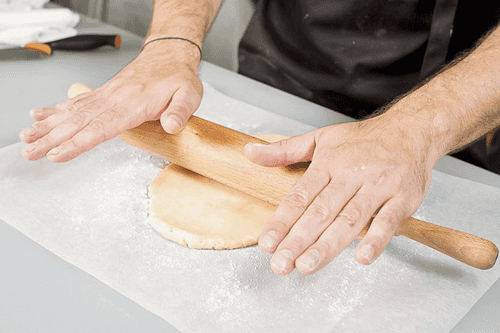
Roll each part of the chilled dough into a thin layer, place it on a baking sheet, poke it with a knife in several places, and bake at 180 degrees for fifteen minutes. From the scraps of dough, form a separate ball, roll it out, and bake it last. This crust will be used for sprinkling.
6
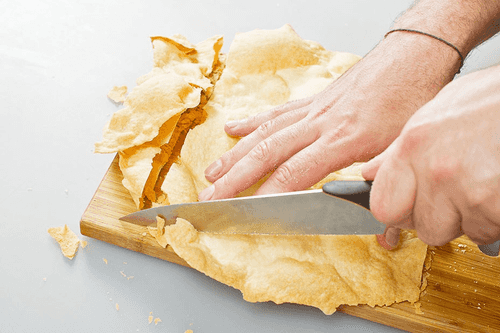
Cool the ready cakes and place them on a cutting board. Carefully trim the edges with a sharp knife to give them a neat rectangular shape, stacking them if needed.
7
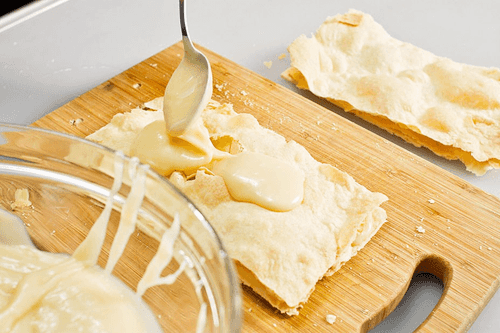
Spread cream on the first layer, cover with another layer, and gently press with your hands. Again, spread cream, cover with the next layer, and press. There should be three tiers.
- Butter: 200 g
8
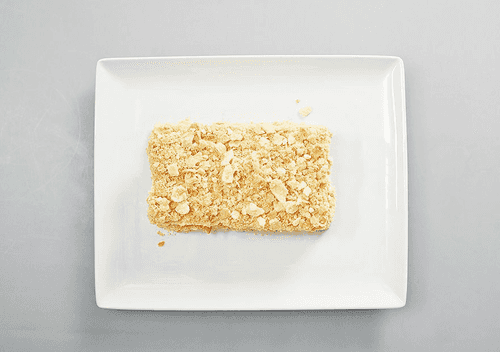
Cover the last layer with cream and crumble the last cookie by hand, generously sprinkling it on top. Trim the uneven edges again and place the cake in the fridge for at least a couple of hours, preferably overnight.
- Wheat flour: 3 glasss