




Sauerkraut
4 servings
30 minutes
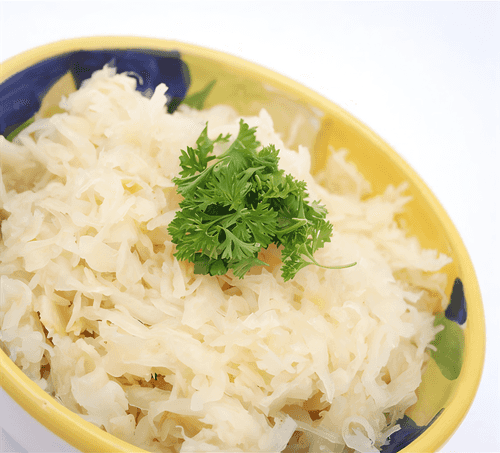
Sauerkraut is an ancient dish of Russian cuisine, known for its rich sour taste and remarkable health benefits. This method of preserving cabbage has been widely used since ancient times due to its ability to retain vitamins throughout long winters. It is traditionally prepared in wooden barrels, adding carrots, apples, and berries for flavor. The fermentation process activates natural bacteria, enriching the product with probiotics. Sauerkraut pairs excellently with meat and potato dishes and serves as a base for the famous shchi soup. Its freshness and spiciness make it a wonderful addition to any table, while its healing properties support health. It is not just a snack – it is part of Russian traditions and culinary heritage.
1
Cabbage is fermented in sturdy wooden barrels. A small amount (5-10 kg) can be fermented in glass jars or clay pots. Select healthy cabbage heads without green leaves, chop or shred them, and mix the chopped cabbage with salt.
- White cabbage: 10 kg
- Salt: 250 g
2
Sprinkle the bottom of a clean washed barrel with a thin layer of rye flour, cover with whole cabbage leaves, and tightly pack the barrel with chopped cabbage, covering it with cabbage leaves on top. For flavor and aroma, you can add whole or sliced carrots and Antonovka apples, as well as lingonberries and cranberries.
- White cabbage: 10 kg
3
Place a wooden circle on top of the cabbage, and put a weight (washed stone) on it. After a few days, the cabbage will start to ferment, and foam will appear on its surface. Initially, the amount of foam will increase, but it will gradually decrease.
4
When the foam completely disappears, the cabbage is fermented. During fermentation, the cabbage should be pierced several times with a clean birch stick to allow the gases to escape. If mold appears on the surface of the brine, it should be carefully removed, and the wooden circle, cloth, and weight covering the cabbage should be rinsed with boiling water.