

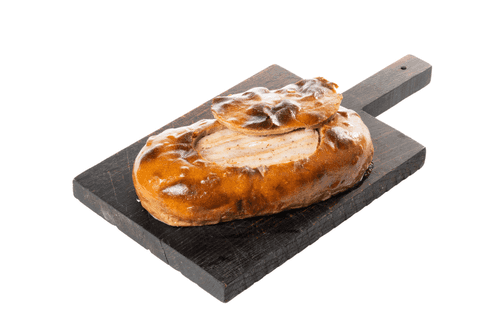
Kastyby with potatoes
8 servings
120 minutes
Kastyby is a traditional Tatar dish made with potatoes, loved for its simplicity and rich flavor. Historically, it originated as a hearty and affordable food for peasants: thin flatbreads made from simple dough were filled with various fillings. The potato filling gives this version of the dish a special softness and tenderness, while butter makes it even more aromatic. The flatbreads fried to a golden crust pair perfectly with thick mashed potatoes complemented by fried onions and herbs. Kastyby is served warm, sometimes with sour cream or fresh vegetables. It is not only a cozy home dish but also a great addition to the festive table.
1
You can prepare the filling in advance - make mashed potatoes or do it while making the flatbreads.
2
Everyone knows how to make mashed potatoes, but I recommend the following recipe: Peel 1.5-2 kg of potatoes and boil until ready. Drain the water. Add 150 grams of butter and 200 grams of sour cream. Don't forget to salt to taste. Mash/whip and mix well. Chop and fry a large onion until golden, adding a pinch of salt and a tablespoon of sugar at the end. Mix the fried onion into the mash. You can also add your favorite chopped herbs.
- Mashed potatoes: 1.5 kg
- Butter: 200 g
- Salt: to taste
- Onion: 1 piece
3
We knead the dough. First, mix half a liter of milk, an egg, 1 tsp of salt, and 2 tbsp of vegetable oil (if you like slightly sweet dough with salty fillings, add a tablespoon of sugar). Then gradually add flour to knead a firm dough. If it turns out too liquid, just add a little more flour.
- Milk: 0.5 l
- Chicken egg: 1 piece
- Salt: to taste
- Vegetable oil: 2 tablespoons
- Wheat flour: 5 glass
4
Cover the dough with plastic wrap and refrigerate for 20 minutes.
5
Prepare the pan for frying flatbreads (better to use two at once for speed). Heat it on the stove. If the pan's coating allows, fry without oil. If not, lightly grease with vegetable oil before each frying. Fry on medium heat or at medium temperature.
- Vegetable oil: 2 tablespoons
6
Take the dough out of the container and knead it well, cut it into pieces (you can also just tear it by hand) and shape balls about the size of a tangerine. (Once you roll one ball, you'll understand if the amount of dough matches the size of the pan).
7
We take one ball, cover the others to prevent them from drying out. On a floured surface, first flatten the ball with your palm, sprinkle with flour, and roll out a round flatbread to the size of your pan. Those who like perfect shapes can cut a neat circle using a mold (for example, a lid).
8
First, we fry the flatbread on one side, then flip it and brush with butter (using a brush or fork), frying until done (when it is slightly browned, the dough will change color when ready). We watch to ensure it doesn't burn on the bottom.
- Butter: 200 g
9
We place the flatbread with the buttered side down on a plate and spread the other side with butter. We repeat this with all the balls.
- Butter: 200 g
10
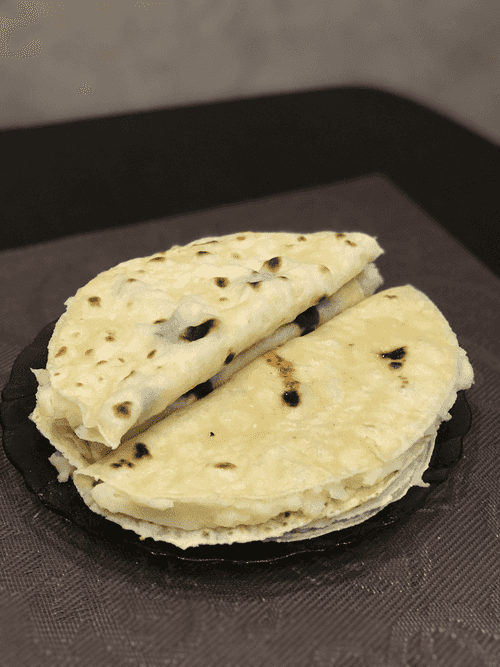
Then we place the filling on one half of the flatbread and cover it with the other half. We do this with all of them. We place them in a mold and cover the top with plastic wrap or a towel.
11
If you're eager, you can try it right away, but it's better to wait an hour or two for the dough to become softer and more tender. The next day they are even tastier.
12
The last, most important, and pleasant point is enjoying the sight of devouring with both cheeks.