

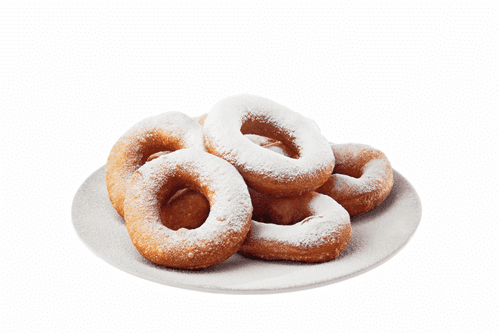
Biscuit dough
2 servings
60 minutes
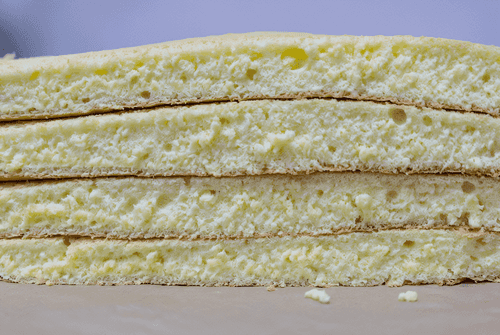
The word "biscuit" has several culinary meanings. The origin of the word is Latin, literally translated biscuit is "twice boiled" (bis coctus). In Great Britain, biscuits were called confectionery bread - sweetish cakes, cooked with a large number of eggs, lush and elastic (hence another name for biscuit: sponge cake, or "sponge pie"). They were often layered with jam or cream. Biscuit was an integral part of the famous English five o'clock tea party. There was (and is) no butter in the biscuit , so it was stored for a long time, did not mold, only dried out. By the way, in North America the name "biscuit" was assigned to flat hard cookies - apparently, thanks to English sailors who brought dried biscuits with them from their homeland. In our country, more often In general, biscuit refers to biscuit dough, layers used for cakes and pastries. This is what became the subject of this master class. Ilya Zamogilin-Sudzilovsky, pastry chef at Remy Kitchen Bakery and the recently opened Remy Burger burger joint, shared a proven and simple recipe.
1
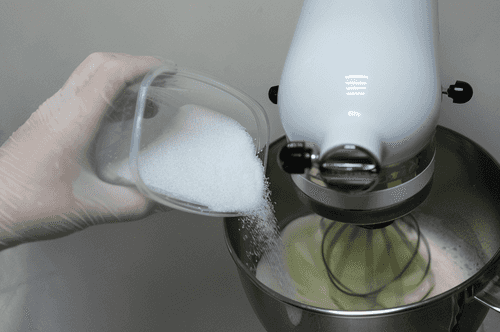
Pour the egg whites into the bowl and start beating them at low speed. Once foam appears, gradually add sugar. If you beat everything at once, the foam won't be as fluffy. If the sponge cake is to be used for a roll, add 50 grams more sugar.
- Egg white: 270 g
- Sugar: 270 g
- Sugar: 270 g
2
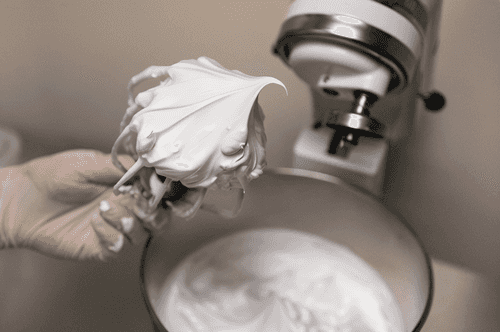
Whip the egg whites and sugar at medium speed for 5-6 minutes until the volume doubles. During this time, air will be evenly distributed in the foam, making it fluffy, elastic, and homogeneous.
3
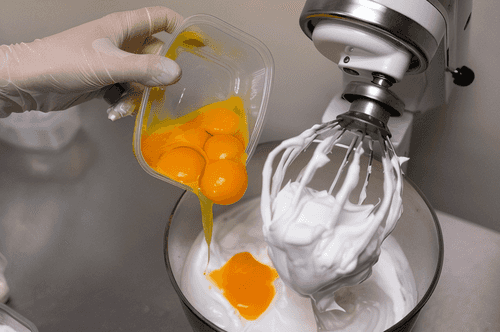
Add the yolks. There should be fewer yolks as they contain fat; if there's too much in the dough, it won't rise well. Whisk the yolks with the whites and sugar for 15 seconds.
- Egg yolk: 180 g
4
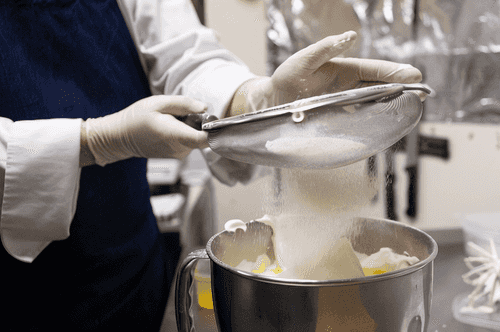
Sift the premium flour and corn starch through a sieve. Add them to the egg white mixture.
- Wheat flour: 185 g
- Cornstarch: 70 g
5
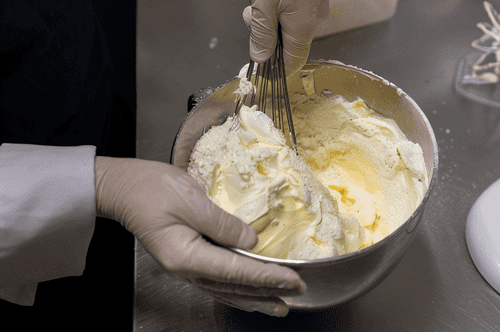
Mix everything manually with a whisk, moving from the center to the edge, carefully so that the mass doesn't settle. The correct consistency of the dough is creamy.
6
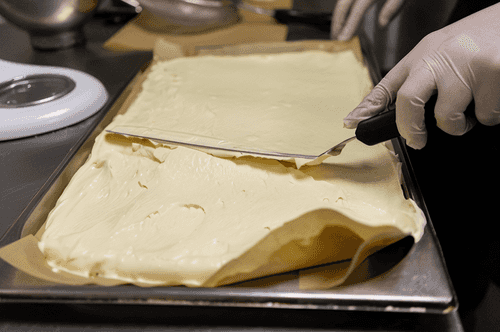
Pour the prepared batter onto a baking sheet lined with parchment and smooth it out with a spatula. You can place a ring on the baking sheet and pour the batter into it to get the desired shape.
7
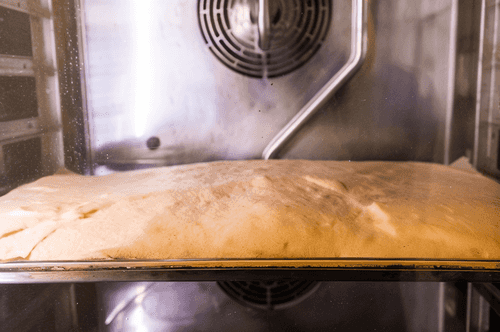
Send the dough to the oven preheated to 180 degrees for 15-20 minutes.
8
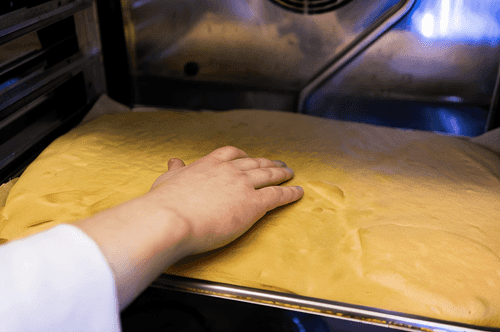
The finished sponge should spring back when pressed. The color should be slightly golden, but not caramel.