


Winter borscht with smoked meats
10 servings
300 minutes
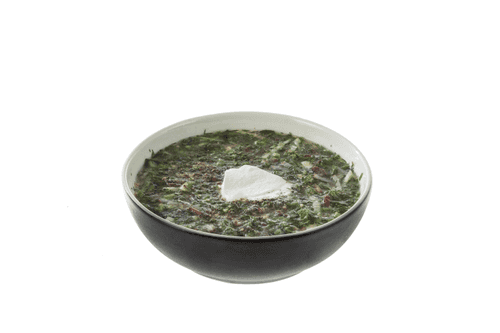
Winter borscht with smoked meats is a rich and aromatic dish of Ukrainian cuisine that embodies comfort and warmth. Its roots trace back to traditional peasant recipes where a long cooking process transformed simple ingredients into a rich flavor. A deep meat broth made from three types of meat is complemented by fried smoked meats that give the borscht a rich smoky aroma. Vegetables like beets, carrots, and cabbage create a harmony of sweetness and sourness enhanced by lemon juice and tomatoes. The final touch is fresh herbs and a pinch of grated beetroot that restore the bright ruby hue. Serving it with sour cream makes the taste even gentler, and the next day the borscht becomes deeper and richer. This dish warms the soul and is a true gastronomic delight on winter days.

1
We pour three types of coarsely chopped meat with cold water and set to boil on a very low heat, as we need to get the flavor of the broth, not the meat. This is the longest stage of preparing this dish. We add water as it evaporates and remove the scum.
- Beef with bones: 300 g
- Pork: 300 g
- Mutton: 300 g
- Water: 5 l
2
While boiling, we prepare a sauté of chopped onions and grated carrots.
- Onion: 2 pieces
- Carrot: 2 pieces
3
At the same time, you can start frying the smoked meats. Cut the bacon into small pieces and fry it the most. Then cut one smoked rib at a time and fry it in the fat rendered from the bacon. After that, add sliced sausage. This frying enhances the flavor and aroma of the smoked meats.
- Smoked brisket: 300 g
- Smoked pork ribs: 300 g
- Ukrainian sausage: 300 g
4
After bringing the meat close to readiness, we add smoked meats to the borscht and cook for another half hour. After that, we taste it, as the smoked meats can vary, and now we can determine the right amount of salt and pepper.
- Allspice peas: 10 pieces
- Carnation: 10 pieces
- Bay leaf: 6 pieces
5
Next, we chop and add root vegetables: parsley root, celery root, beetroot, and after about twenty minutes — potatoes.
- Parsley root: 1 piece
- Celery root: 200 g
- Beet: 400 g
- Potato: 200 g
6
In another thirty to forty minutes, we will start working with the vegetables. We will chop the cabbage, pepper, and tomatoes in sequence. At that time, we will also add the sautéed mixture. And after ten to twenty minutes, we will adjust the taste.
- White cabbage: 200 g
- Tomatoes: 3 pieces
- Sweet pepper: 2 pieces
7
You don't know what kind of beet, onion, carrot, or tomatoes you have. Did they provide the right sweetness, acidity, spiciness, and saltiness? But in this case, we have lemon juice, sugar, salt, and garlic. We sour it up, sweeten it, salt it and squeeze in garlic until the taste is harmonious.
- Garlic: 1 head
- Lemon juice: to taste
- Sugar: to taste
- Salt: to taste
8
After another three to five minutes, we take a sample again, and if all is well, we add dill, parsley, and cilantro. And here comes the time for a little secret! We grate a small piece of beet that we set aside earlier on a fine grater — this will return a rich bright color to the borscht, which looks very appetizing with the greens.
- Chopped dill: to taste
- Chopped parsley: to taste
- Chopped cilantro (coriander): to taste
9
After two to three minutes, we turn it off, put a piece of butter on top, cover it with a lid, and wait for it to steep. The next day it will be even tastier.
- Butter: 50 g