

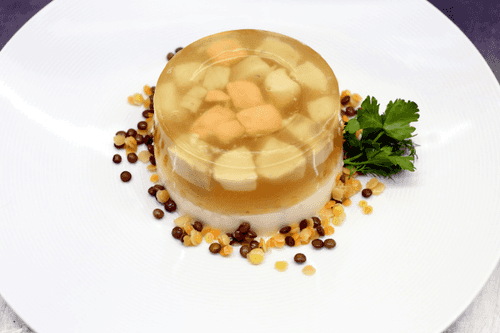
Fish aspic in layers
1 serving
300 minutes
Layered aspic made from fish is an exquisite dish of Russian cuisine, combining tender fish fillet, aromatic broth, and airy layers of jelly. The origins of such a recipe trace back to the traditions of Russian feasting, where aspic served as a symbol of luxury. The taste is refined, a harmonious balance of the fish's saltiness and the softness of mayonnaise. Each layer adds a unique texture to the dish, while boiled lentils and herbs not only decorate but also add a light freshness. This dish is perfect for festive gatherings, impressing guests with its striking appearance and rich flavor.

1
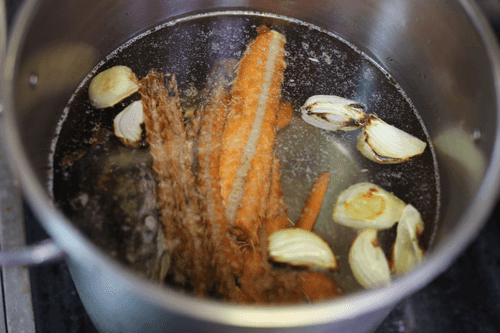
Cut the carrot and each onion into four wedges. Send the vegetables and one kilogram of salmon bones to the oven preheated to 180 degrees for 40 minutes.
- Carrot: 1 piece
- Onion: 2 heads
- Salmon bones: 1 kg
2
Place a pot with five liters of cold water on the stove. Add roasted vegetables and bones to the water and simmer on low heat at a barely noticeable boil for about six hours.
- Carrot: 1 piece
- Onion: 2 heads
- Salmon bones: 1 kg
3
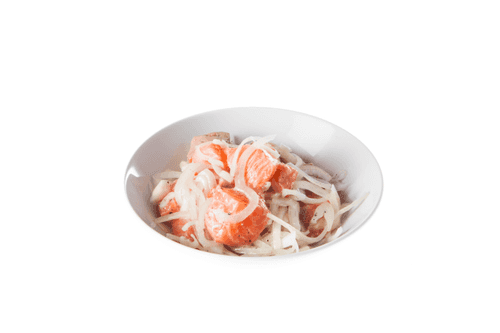
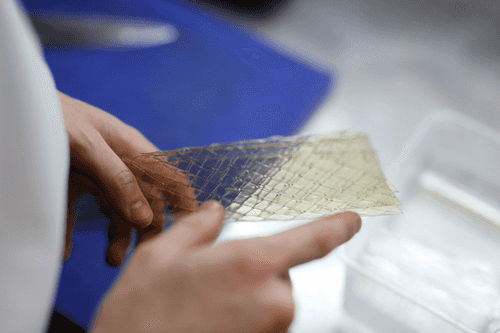
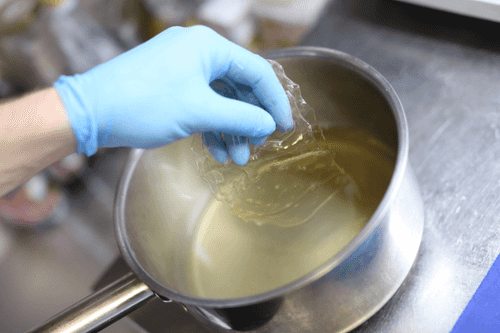
Soak 17 grams of gelatin. When the broth is ready, cut the fish into even cubes and place it in a saucepan with 400 ml of broth, adding 40 grams of salt. This amount of salt is needed for the fish to be well-salted; otherwise, it will be bland in the finished dish. Blanch the fish for one minute over high heat. Transfer the cooked fish to a dry dish and discard the salty broth—it will no longer be needed.
- Gelatin in plates: 17 g
- Salmon fillet: 30 g
- Muksun fillet: 90 g
- Salt: to taste
4
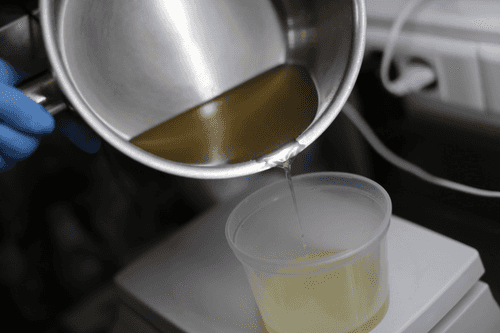
Take 250 ml of broth, heat it if it has cooled down, add salt to taste and 12 grams of gelatin. Stir well until the gelatin is completely dissolved. Gelatin absorbs salt from the broth, so after it dissolves, check if there is enough salt in it. In the future, take small portions of broth from this pot.
- Salt: to taste
- Gelatin in plates: 17 g
5
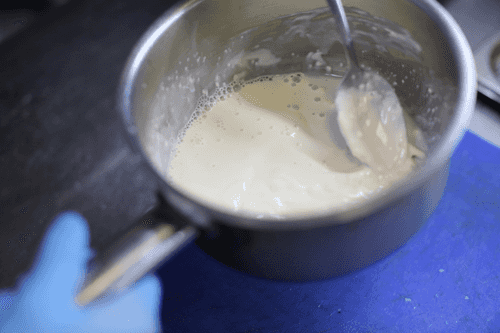
Take a portion mold for the jelly. Pour 50 ml of broth into the mold and place it in the refrigerator. Refrigerators work differently, so check the jelly's readiness visually — it should set well and not leak from the mold.
- Gelatin in plates: 17 g
6
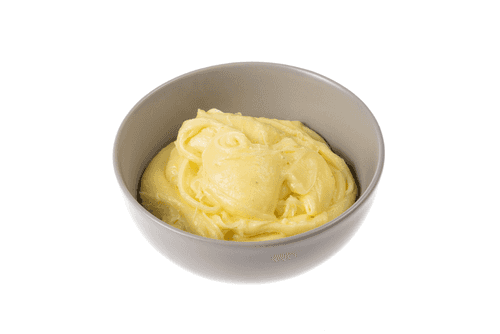
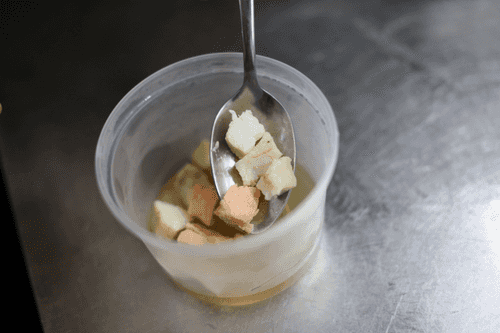
While the first layer sets, prepare the mayonnaise layer. Take 50 ml of warm broth and dissolve an additional 5 grams of gelatin in it. Add mayonnaise and mix thoroughly until smooth. Taste and add salt if necessary. Set aside.
- Gelatin in plates: 17 g
- Mayonnaise: 60 g
- Salt: to taste
7
Take 50 ml of broth, in which gelatin is already dissolved. Add half of the blanched fish to it. Take the mold with the set first layer out of the fridge and pour the fish layer on top. Return the mold to the fridge.
- Gelatin in plates: 17 g
- Salmon fillet: 30 g
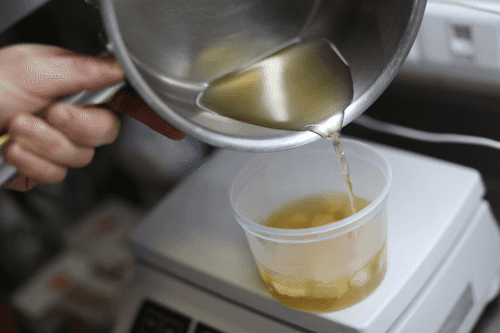
8
When the second layer has set, take the mold out of the refrigerator and pour 50 ml of broth with dissolved gelatin on top of the second layer.
- Gelatin in plates: 17 g
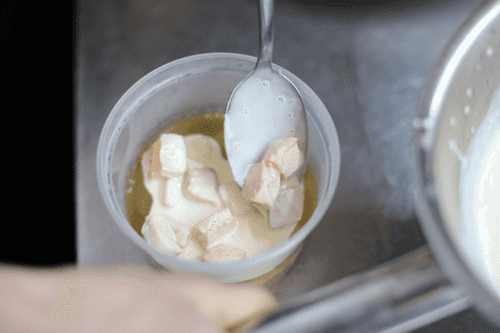
9
After about 15 minutes when the third layer has set, take the mold out of the fridge and add the last, fourth layer - mayonnaise. If the mayonnaise has set by this time, warm it slightly. Add the remaining blanched fish to it. Ensure that the fish is evenly distributed across the surface of the aspic. Return the mold to the fridge.
- Mayonnaise: 60 g
- Salmon fillet: 30 g
10
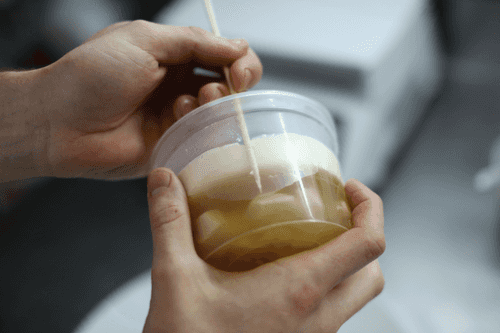
Once the last layer has set, remove the mold. Take a wooden stick and insert it between the edges of the mold and the jelly. Reach the bottom of the mold with the stick. Once air is between the jelly and the mold, the jelly will be ready to separate. Flip the mold with the jelly onto a pre-prepared plate and wait for it to gently slide onto the plate. Decorate the aspic fish with colorful boiled lentils that resemble river stones and herbs.
- Lentils: to taste
- Green: to taste