
Plum pie from shortcrust pastry
6 servings
50 minutes
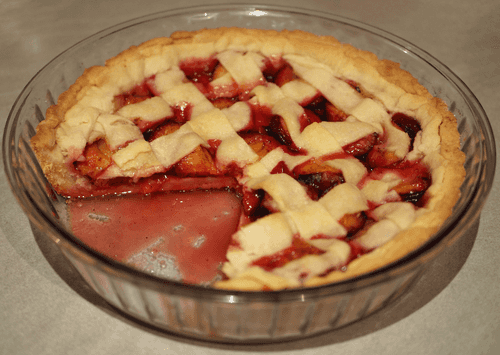
Plum pie made from shortcrust pastry is a true embodiment of the coziness of European cuisine. Its roots go back to the traditions of home baking, where simplicity of ingredients combines with harmony of taste. The crispy shortcrust pastry, infused with a subtle aroma of butter and vanilla, becomes the perfect frame for the juicy plum filling. The plums release their juice while baking, creating a delightful balance of sweetness and slight tartness accentuated by a pinch of cinnamon. This pie not only pleases the eye with its decorative pastry shapes but also brings joy with every bite. It can be served warm with a scoop of vanilla ice cream or slightly chilled alongside a cup of fragrant tea, making any tea time truly cozy and unforgettable.
1
Mix butter, 0.5 cup of sugar, and an egg using a blender, mixer, or any other method. Use room temperature butter for better and quicker mixing with other ingredients. If using unsalted butter, add a pinch of salt to the dough.
- Butter: 150 g
- Sugar: 1 glass
- Chicken egg: 1 piece
2
Add flour and knead the dough by hand — it should be elastic and not sticky. It's better to chill the dough before rolling it out — wrap it in plastic wrap and place it in the fridge for 20 minutes.
- Wheat flour: 2 glasss
3
While the dough is cooling, prepare the pie filling. Rinse the plums under running water and remove the pits - to do this, make a cut along the groove and split them in half.
- Plums: 700 g
4
When the dough cools down, separate about 1/3 of it and roll it out into a thin layer on a floured board. Use a cookie cutter to press out star, heart shapes or any other for decorating the plum pie. If you don't have shaped cutters, cut the dough into thin strips and weave them over the pie (this is how Italian crostata often looks).
5
Separate the excess dough and combine it with the rest; you can roll it out into a flat layer (using a rolling pin) or spread the dough on the baking tray with your hands. It is very important to make high edges on the pie so that the juice from the fresh plums does not leak onto the tray and the pie does not burn. When baking shortcrust pastry, there is no need to grease the pan; just dust it with flour.
6
Sprinkle starch over the sandy dough. This is necessary to prevent the juicy plums from soaking the dough, which could result in it not baking properly, and also to thicken the plum juice so it doesn't run off the cut pieces of the cooled pie.
- Potato starch: 3 teaspoons
7
Carefully arrange the plums cut side up on the dough dusted with starch, moving from the outer radius to the inner.
- Plums: 700 g
8
Evenly sprinkle 0.5 cup of sugar over the plums. If you are using unripe or sour-tasting plums, feel free to add more sugar.
- Sugar: 1 glass
9
Sprinkle the plums with sugar and ground cinnamon. Remember that cinnamon has a quite sharp spicy aroma and try not to overdo it.
- Cinnamon: 1 teaspoon
10
Arrange figures made of shortcrust pastry on top of the pie in a random order or weave a lattice from strips. For a greater effect, you can brush these figures with egg; they will become glossy and golden.
- Chicken egg: 1 piece
11
Bake the pie in an oven preheated to 200–220 degrees (depending on how thin you rolled the dough) for 30 minutes. The finished pie easily comes off the mold, but since the fresh plum filling is very juicy, try to wait for the pie to cool in the baking dish, as the thin shortcrust pastry becomes very fragile after baking.