


Pork knuckle with stewed cabbage and potatoes
6 servings
120 minutes
Pork knuckle with stewed cabbage and potatoes is a true embodiment of Czech gastronomy, reflecting the rich culinary traditions of Central Europe. Baked to a golden crispy crust, it pairs with aromatic stewed cabbage and potatoes, providing a harmony of rich and spicy flavors. Historically, this recipe originated in Prague taverns where the knuckle was cooked in beer with herbs to enhance the meat flavor and make it tenderer. The sour pickled cabbage perfectly balances the fatness of the knuckle while the potatoes add comfort and heartiness. This dish is often served with mustard and horseradish, creating a rich flavor contrast. Czech knuckle is a symbol of hospitality and festive gatherings, perfect for leisurely meals among friends over a glass of aromatic beer.
1
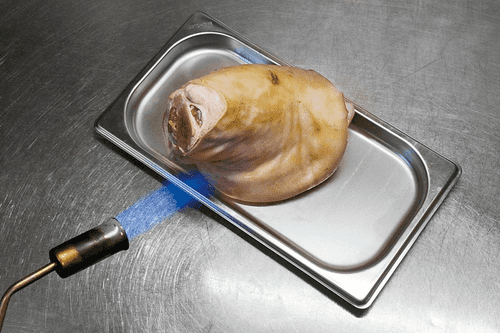
Pork knuckle, or hock, can be front or back - the latter is better as it has more meat. It weighs about 1.5 kg. If there are remnants of bristles on it, it should be singed with a torch or lighter - this won't affect the taste but will make it look more appetizing.
2
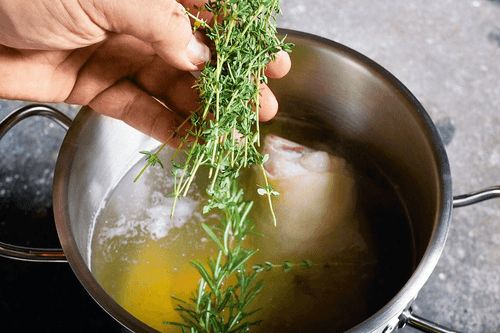
Choose a deep pot with a diameter about the same as the hock that will be cooked in it. Boil 0.5 liters of water in it, add beer, thyme, rosemary, peppercorns, allspice, and a pinch of salt. Place the hock in the pot so that it is completely covered with liquid, and simmer covered on medium heat for about an hour.
- Pork knuckle: 1 piece
- Thyme: 10 g
- Rosemary: 2 g
- Beer: 1 l
- Black peppercorns: 6 pieces
- Ground allspice: 6 pieces
- Salt: to taste
3
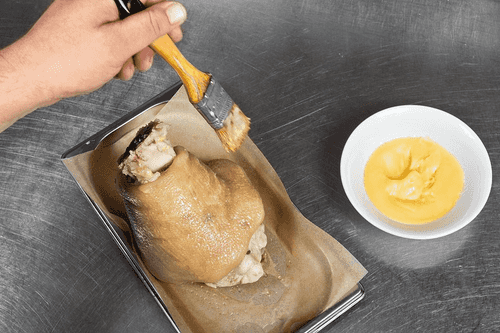
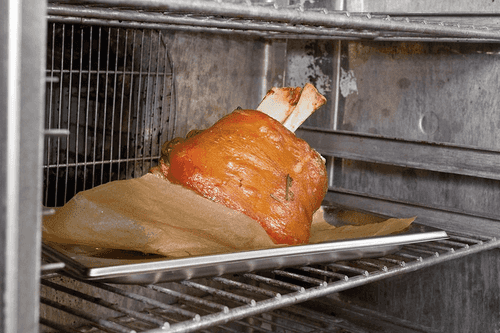
Melt the butter to softness, but not so much that it flows. If you are melting butter from the start, let it cool slightly and solidify. Remove the cooked pork knuckle from the pot, place it on a baking sheet lined with parchment, and generously brush it with butter using a culinary brush.
- Melted butter: 25 g
4
Preheat the oven to 180–200 degrees and place the shank in it for 0.5–1 hour. The meat inside is already cooked, so now the focus is on the brown crispy crust. Once it looks browned enough to your taste, the meat can be taken out of the oven.
5
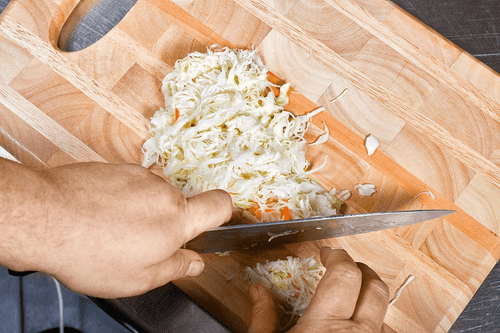
Chop the sauerkraut into pieces that are easy to eat with a fork. Don't rush to get rid of the cabbage brine. Heat 4 teaspoons of vegetable oil, fry the cabbage for 3 minutes, then add cumin, cloves, and bay leaf, pour in 50 ml of brine, and simmer covered until soft.
- Sauerkraut: 250 g
- Caraway: pinch
- Carnation: 1 piece
- Bay leaf: 1 piece
6
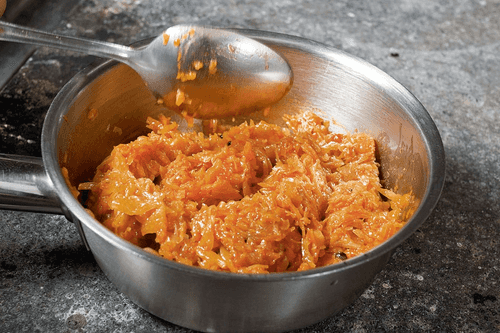
After 15-20 minutes, the brine will evaporate, then add a spoonful of tomato paste and lightly fry the cabbage while stirring. When it starts to stick slightly to the bottom of the pan, pour in the juice of half an orange and add grated apple. Cover and simmer for another 10 minutes, stirring occasionally, until the orange juice is absorbed by the cabbage.
- Tomato paste: 1 tablespoon
- Oranges: 0.5 piece
- Green apples: 0.3 piece
7
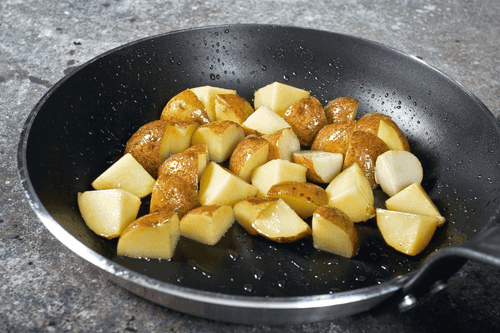
Cut the potatoes into large pieces - if the skin is not too rough, it's better not to peel them. Boil in salted water until cooked, then fry in vegetable oil. To ensure a golden crust covers the entire surface, it's best to learn to toss the pieces in the pan over the fire.
- New potatoes: 200 g
- Salt: to taste
8
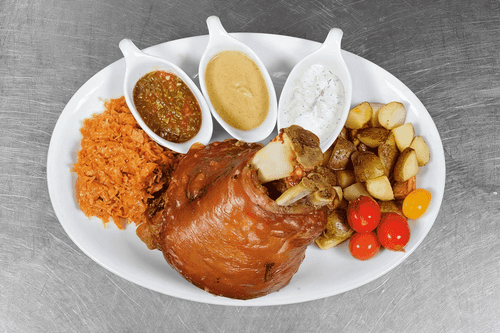
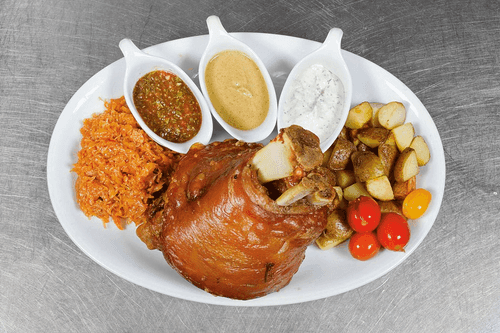
Serve the shank whole on a large platter with stewed cabbage, slices of fried potatoes, and sauces — mustard, horseradish, and spicy tomato. By Eastern European standards, this constitutes one serving — but it actually depends on the eater's build.
- Salt: to taste
- Ground black pepper: to taste