

Stewed mtsvadi
4 servings
35 minutes
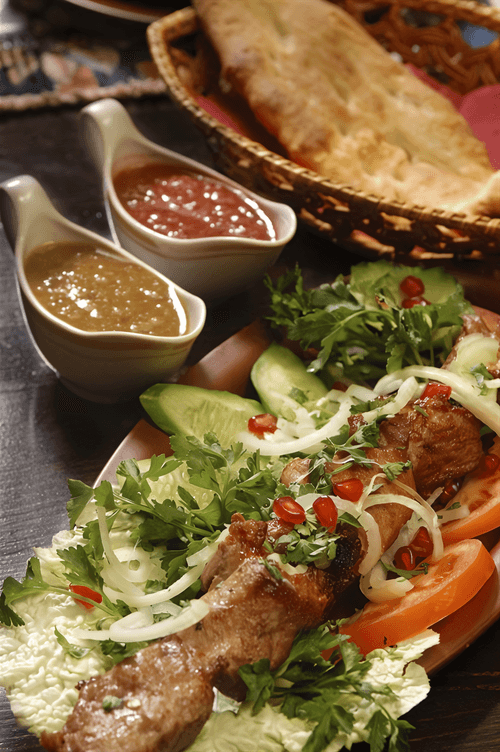
This is what they used to do with mtsvadi that remained in the house after the guests left. Today it is a completely independent dish.
1
Take a lean piece of meat and cut it into medium pieces.
- Pork: 1 kg
2
We cut two onions into four parts and place them on the meat. We pour everything with wine and chacha. If there is no wine at home, it can be replaced with wine vinegar. Chacha should be in any decent home — that's clear. We salt, pepper, and let the meat marinate for 2–4 hours. The longer the meat marinates, the tastier the dish will be, so if possible, it's better to leave it overnight.
- Onion: 5 head
- Dry white wine: 400 ml
- Chacha: 300 ml
- Sea salt: to taste
- Ground black pepper: to taste
3
Skewer the meat and grill until golden brown — ideally over an open fire or at least on a grill. In principle, it can also be done in a pan. The main thing is not to overcook: the meat should remain juicy, as mcvadi requires.
4
We place the meat in a thick-walled dish, preferably cast iron like a duck pan. We cut three onions into four parts and add them to the meat. We pour another shot of chacha over the meat and simmer it in the marinade on low heat until the pieces of mcvadi soften enough to be eaten with a spoon, and the onion completely dissolves.
- Onion: 5 head
- Chacha: 300 ml
5
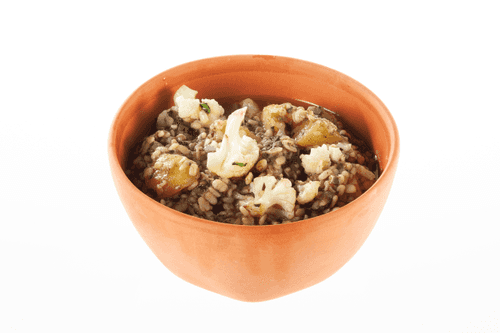
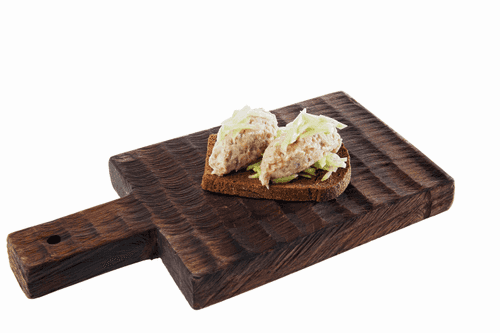
The result is something that looks like pâté. Pork cooks for about one and a half hours, beef for about an hour, and veal even less. The main thing is to keep tasting and not stray far from the pot. To make it more fun, pour yourself some wine and bring a couple of guests into the kitchen. But don't get carried away - if you overcook the mcvadi, it will turn into porridge, which is not what you want for yourself or your guests. After all, you invited them for mcvadi.