













Recipe Catalog
Recipes with all the words: 3. Next come recipes that match some of the words
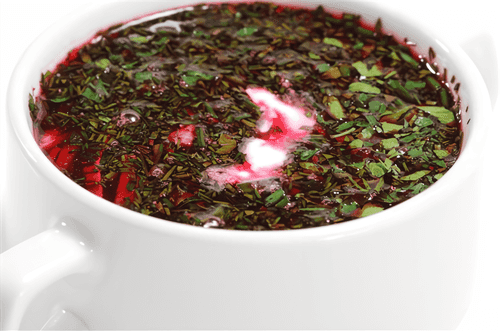
Beetroot soup with bread kvass is a refreshing and aromatic cold soup that combines the sweet freshness of beets with the sour spiciness of kvass. The origins of this dish trace back to Russian culinary traditions, where beet soups were made with various liquid bases—from water to fermented dairy products. In this recipe, bread kvass adds a special depth of flavor and a light fermented note. Crunchy cucumbers, tender carrots, herbs, and boiled eggs add textural complexity, while dill, parsley, and celery enrich its aroma. It is served with sour cream that softens its acidity and makes the taste more harmonious. This beetroot soup is perfect for a hot day: it refreshes, quenches thirst, and satisfies while remaining light and healthy.
13
4
30
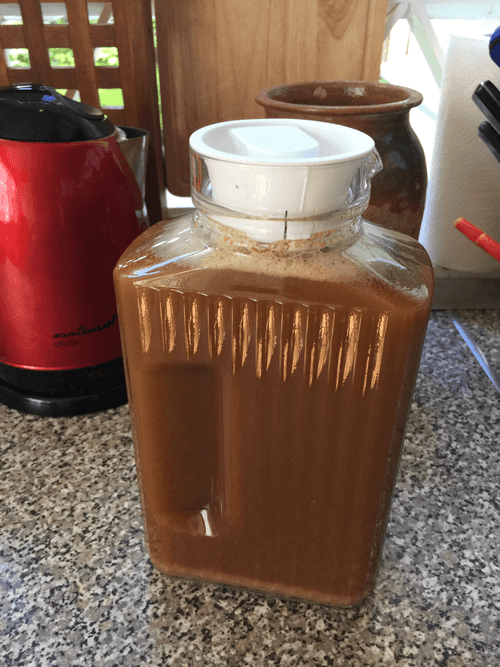
Diabetic bread kvass is a traditional Russian drink adapted for people monitoring their blood sugar levels. Its history dates back to ancient methods of making kvass by drying and slightly charring rye bread to give the drink its characteristic tartness and depth of flavor. Fructose is used instead of sugar, making it more suitable for a diabetic diet. The taste of kvass is rich, slightly sour, with subtle notes of rye bread, while added raisins provide a light sweetness and natural carbonation. This kvass is perfect for cooling on a summer day and pairs wonderfully with Russian dishes, especially okroshka. Variations with berries or honey add new flavor nuances, making it even more versatile and interesting.
5
12
40

Bread kvass is an ancient drink with roots deep in Russian history. It was indispensable at peasant feasts, refreshing travelers and renowned for its invigorating sourness. The aroma of rye croutons, balanced sweetness, and a light yeast note make it not only tasty but also beneficial. Kvass perfectly quenches thirst and is used to prepare okroshka and other traditional Russian dishes. Over time, its recipe has remained unchanged, reminding us of the simplicity and wisdom of folk traditions. Homemade bread kvass is a living drink filled with the coziness and uniqueness of Russian cuisine.
4
4
30
Homemade kvass without yeast is a traditional refreshing drink that originated in ancient Rus and has become an integral part of European cuisine. This drink is made from rye bread, water, and sugar, making it natural and healthy. Kvass has a rich, slightly sour taste with hints of rye bread and caramel acquired from toasting the croutons. It is consumed as an independent drink that quenches thirst well and is also used in preparing okroshka and other summer dishes. Homemade kvass does not require yeast; fermentation occurs through natural processes, giving it softness and a special aroma. It is perfect for hot days, refreshing and providing pleasure with every sip.
3
4
60
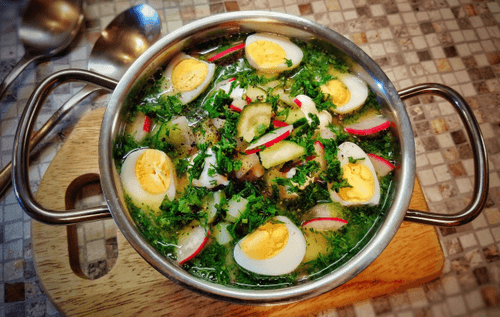
Okroshka on white kvass with quail eggs and tarragon is a refreshing dish of Russian cuisine, perfect for hot summer days. Its roots go back to ancient Russian culinary traditions where the combination of kvass with vegetables and herbs created a light yet nutritious meal. White kvass gives the soup a soft, slightly sour taste that harmonizes with the freshness of cucumbers, radishes, and greens. Quail eggs add tenderness while tarragon brings subtle anise notes, giving the dish a special sophistication. The dressing with miso paste, mustard, and horseradish adds spiciness and depth of flavor to the okroshka. This dish can be served as a standalone treat or as a light accompaniment to a summer table.
15
6
60
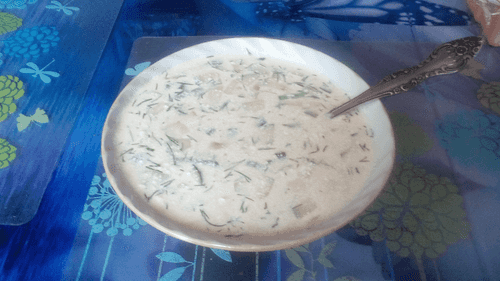
Okroshka on kvass with mayonnaise is a refreshing cold soup rooted in Russian cuisine. This summer masterpiece is loved for its simplicity and rich flavor, combining the softness of potatoes, tenderness of eggs, spiciness of radishes and cucumbers, as well as the heartiness of boiled sausage. Dressed with kvass, it gains a light sourness while mayonnaise adds a creamy texture and rich taste. This soup is perfect for hot days, providing coolness and vitality while serving as a great way to satisfy hunger without overloading the body. Traditionally served chilled, okroshka can be complemented with mustard and herbs to enhance its aroma and make the flavor more intense. This dish is a true symbol of summer feasts when simple ingredients transform into something truly delicious and refreshing.
10
8
60
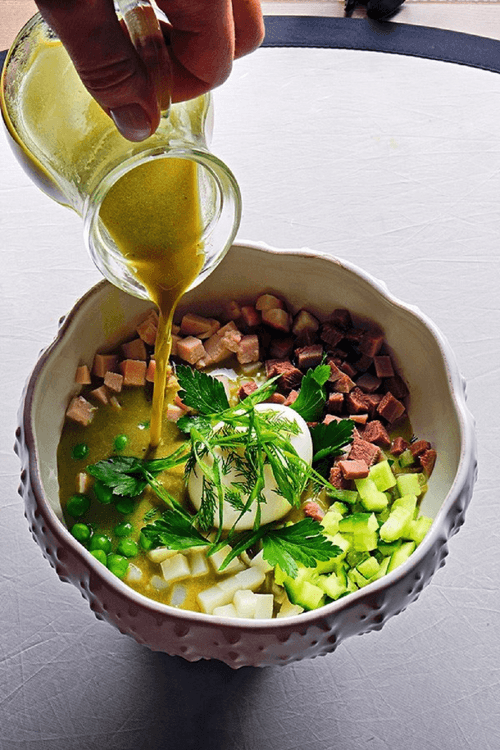
Classic and even slightly improved okroshka: for example, it has green peas. The recipe is taken from the book "Geography to taste with Nika Ganich. Gastronomic guides". Restaurant "Leningrad".
15
4
40
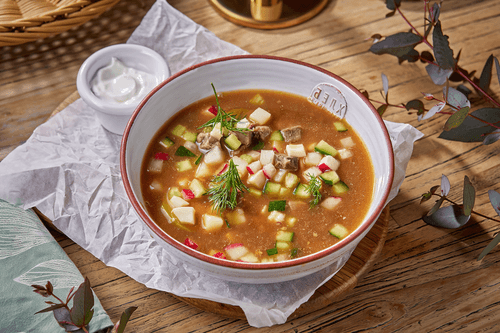
Recipe from the restaurant "Khleb Nasushny", brand chef Evgeniy Vasilenko.
9
4
15
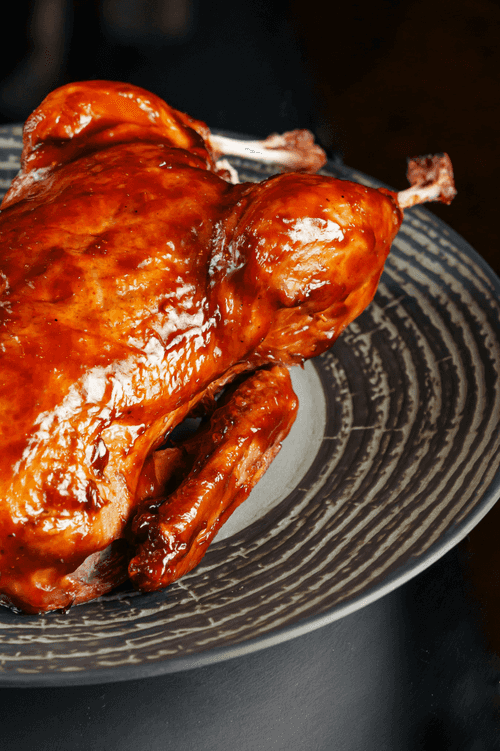
Recipe by Nikolay Bobrov, chef of the Tunguska restaurant.
14
8
150
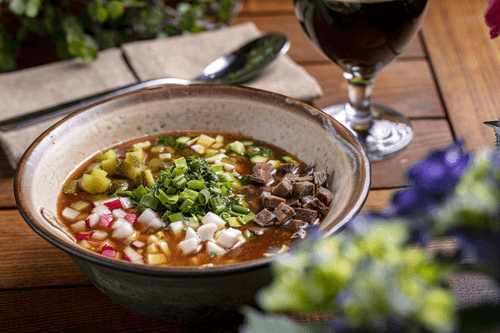
Anatoly Anoshin, chef of the "Yan Primus" restaurants, shared the recipe with us.
11
4
30
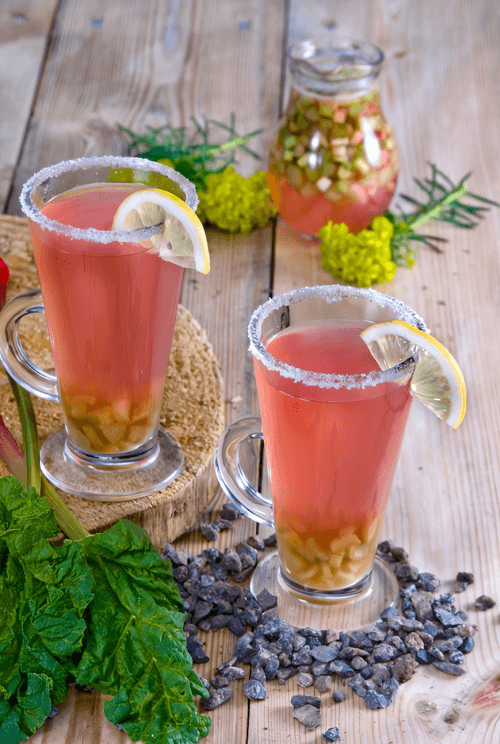
Rhubarb kvass is a refreshing drink with a slight sourness rooted in Russian cuisine. Rhubarb, known for its health benefits, gives the kvass a unique fruity-sour taste that quenches thirst perfectly. Sugar syrup softens the acidity of rhubarb, while fresh yeast initiates the natural fermentation process, turning the drink into a light sparkling elixir. This kvass is perfect for hot summer days when you crave something cool and invigorating. The drink is not only pleasant in taste but also healthy – rhubarb is rich in vitamins and antioxidants.
4
4
30

Lemon kvass is a refreshing drink with a centuries-old history from Russian cuisine. Its recipe has been passed down through generations, filling homes with the aroma of citrus and sweet honey. This kvass combines the tartness of lemon, the gentle sweetness of honey, and a light fruity note from raisins, creating a harmonious and refreshing taste. Natural fermentation gives the drink soft bubbles, while aging makes it particularly rich. Lemon kvass not only quenches thirst on hot days but also positively affects digestion due to natural enzymes. It can be served chilled as a standalone drink or used in cooking, for example in okroshka. Elegant and easy to make, it remains a beloved traditional drink among connoisseurs of natural flavors.
6
4
30
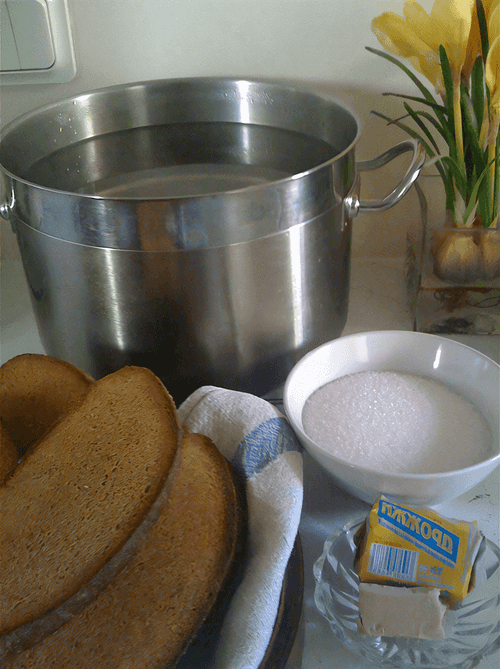
Homemade okroshka kvass is a traditional Russian drink used in making refreshing okroshka. Its history dates back to ancient times when kvass was the main summer drink in homes and taverns. This kvass is characterized by a rich bread aroma, light sourness, and pleasant sweetness created through the fermentation of rye bread, sugar, and fresh yeast. It perfectly complements the taste of okroshka, giving it a special zest and depth. Kvass can also be enjoyed on its own—chilled, it quenches thirst and refreshes on hot days. This homemade version is prepared with patience, but the result is worth it: a natural, aromatic, and truly lively drink that is an integral part of Russian culinary tradition.
4
4
60

The cocktail 'White Russian' with kvass is an unexpected reinterpretation of the classic drink, incorporating the traditions of Russian cuisine. Inspired by the original 'White Russian', this version replaces coffee liqueur with evaporated bread kvass, giving the drink a light sourness and bread note. Creamy whipped cream and vanilla syrup enrich the flavor, creating harmony between sweetness and tart notes. Served with airy cream makes the texture velvety, while ice refreshes. This cocktail will be an elegant conclusion to the evening, especially in the company of connoisseurs of Russian drinks.
5
1
10
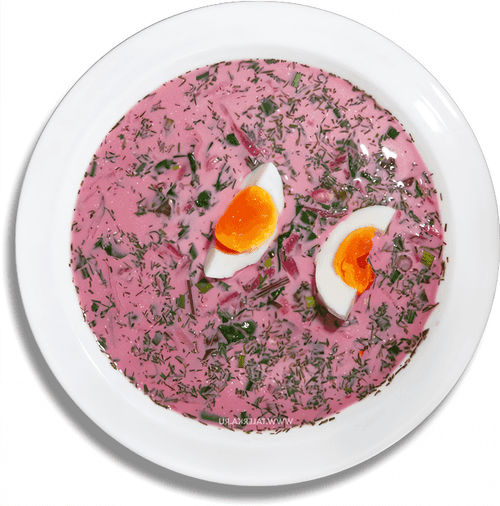
Cold beetroot soup on kvass is a bright, refreshing dish of Belarusian cuisine that embodies summer coolness and natural freshness. This cold soup, traditionally prepared in warm weather, features a harmonious blend of the sweet-earthy taste of beets, the light sourness of kvass, and the delicate milky hue of buttermilk. Crunchy cucumbers, aromatic green onions, and dill add zest and freshness, while boiled eggs and young potatoes make the dish hearty and complete. The cold soup not only quenches thirst and refreshes in summer heat but also fills the body with beneficial vitamins and microelements. It is a classic of Belarusian cuisine carefully passed down through generations and remains an unchanged symbol of the region's traditional gastronomy.
7
4
90




















