
Duck pilaf
8 servings
70 minutes
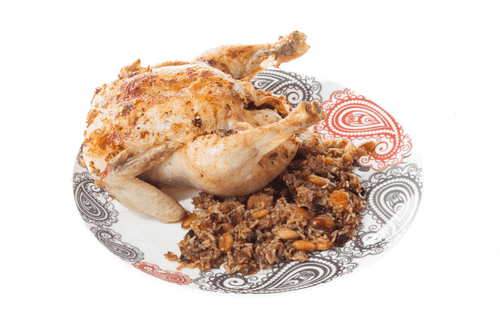
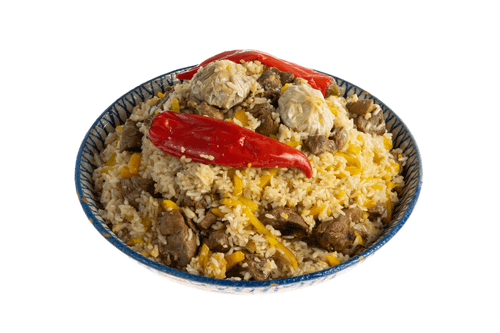
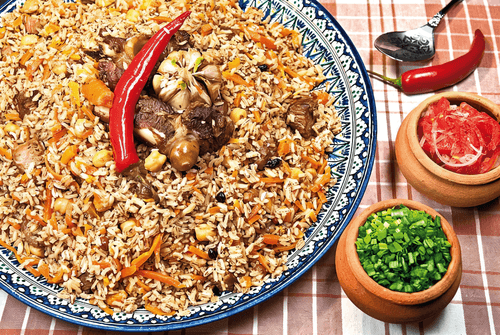
Duck pilaf is a dish that combines the tenderness of duck meat with the aroma of spices and the texture of fluffy rice. Inspired by Eastern culinary traditions, this pilaf gains special richness by frying the duck until golden brown. Carrots and onions add sweetness and depth of flavor, while garlic and hot pepper provide spiciness. The pilaf is cooked in a kazan – a method that allows the ingredients to perfectly unfold and absorb each other's flavors. It is served hot alongside fresh vegetables, making the dish not only hearty but also harmonious. Such a treat is suitable for both family dinners and festive gatherings, surprising guests with its uniqueness and richness of flavor nuances.
1
Dishes are important for pilaf. A kazan or a cast iron pot with a lid is needed. A deep plate with a volume of 800-900 grams is required. In Asia, plates called 'kise' or 'kisushka' are used.
2
Take a duck ready for cooking, cut it into pieces about the size of your index or pinky finger. The pieces will vary in size; for example, you can cut the legs according to the length of the bones - that's normal.
- Duck: 1 piece
3
Place a pot or cast-iron pan on the fire and pour in 200 ml of vegetable oil to heat it up. Toss a small piece of duck into the oil; if it starts frying, add the whole duck and begin frying while constantly stirring to prevent burning. Once the duck releases its juice, reduce the heat to medium and continue frying until all the juice evaporates, remembering to stir. Keep an eye on it to ensure nothing burns.
- Vegetable oil: 200 ml
4
Meanwhile, we clean the vegetables. Cut the onion into half rings, and the carrot into large sticks or cubes. Take 800 grams of rice, pour it into a deep plate, and add room temperature boiled water equal to the amount of rice. Do not use rice meant for porridge. Buy rice from the market with a brown streak in the middle or slightly brown rice that looks like it's powdered sold by Asians. You can also ask the traders about the rice they have for pilaf, and they will gladly offer it to you. Don't forget to keep an eye on the duck so it doesn't burn, and we need to not miss when the juice evaporates.
- Rice: 800 g
- Onion: 3 heads
- Carrot: 5 piece
5
Once the juice has evaporated, add the onion and sauté until soft, avoiding burning it. The heat should be medium. When the onion is ready, add the carrot – sauté everything while stirring occasionally. Season with salt to taste.
- Onion: 3 heads
- Carrot: 5 piece
- Salt: 5 g
6
As soon as the carrot becomes soft, pour in room temperature boiled water. ATTENTION! Exactly as much as the rice you have in the deep plate at that moment. For convenience, take another similar plate, pour in water, and compare it with the plate of rice. They should be the same.
- Rice: 800 g
7
Everything in the pot should boil, literally boil for 5 minutes on medium heat.
8
We are putting our rice from the plate, it was soaked, it should have absorbed water, a little water is left at the bottom, nothing to worry about, everything goes into the pot. Level the rice with a ladle or skimmer, in an even layer, so that the water covers the rice, do not stir anything anymore. Lower the heat.
9
Soon the surface will start to bubble slightly; just flip the rice from the top, do not dig or stir. When the water decreases a bit, insert peeled garlic heads into the rice; if you want, you can also add a few hot peppers.
- Garlic: 1 head
- Fresh red pepper: 2.3 pieces
10
Immediately close the lid tightly and set the fire to low so it cooks. Do not lift the lid or check what's inside. Cook for 40 minutes on low heat.
11
After 40 minutes, we turn off the heat but do not open the lid; let it sit covered for 10 minutes. Then we stir from the bottom and serve on a large plate where everyone is waiting for hot pilaf. The rice should be fluffy, and the duck meat tender and soft. Be sure to make a salad of fresh vegetables and serve it with the pilaf.