














Recipe Catalog
No recipes contain all the words, showing recipes that match some of them

Salad of savoy cabbage, greens, and oranges is a light, refreshing dish of Italian cuisine that combines the freshness of herbs with citrus brightness. Its roots can be traced to Mediterranean dietary traditions where vegetables and fruits play a key role. Crunchy savoy cabbage is complemented by fragrant parsley and basil, while oranges add subtle sweetness and acidity. The dressing made from champagne vinegar and olive oil elevates the flavor, while freshly ground black pepper adds a spicy note. This salad is perfect as a standalone light dish or as an accompaniment to fish and meat, creating a balance of freshness and richness.
9
4
30
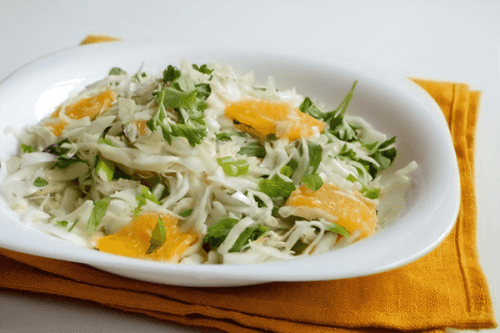
Cabbage salad with oranges and herbs is a fresh, light, and sophisticated version of the traditional Russian salad. It combines crunchy white cabbage, aromatic herbs, and juicy citrus notes, creating an incredible balance of flavors. Historically, the combination of fruits and vegetables in Russian cuisine was used to add brightness and freshness to dishes. Orange juice and vinegar in the dressing make the taste richer and spicier, while the herbs add a summery lightness. This salad is perfect for a light snack or as a side dish for meat and fish dishes. It can be served both on festive tables and in everyday menus since it is easy to prepare yet looks impressive.
9
4
15
Cabbage salad with greens is a delicate combination of freshness and spiciness that originated in Russian cuisine as a simple and healthy dish. Finely sliced cabbage enriched with the aroma of ginger and turmeric takes on a warm, slightly spicy hue, while herbs like cilantro and mint add a refreshing note. Milk gives the dish softness and richness. This salad not only pleases the eye with bright colors but also warms the palate, perfectly complementing a light dinner or serving as a side for meat and fish dishes. It is healthy, rich in vitamins, and has a detox effect thanks to cabbage and ginger. It is best served hot, garnished with fresh herbs to fully reveal its flavor.
8
4
15
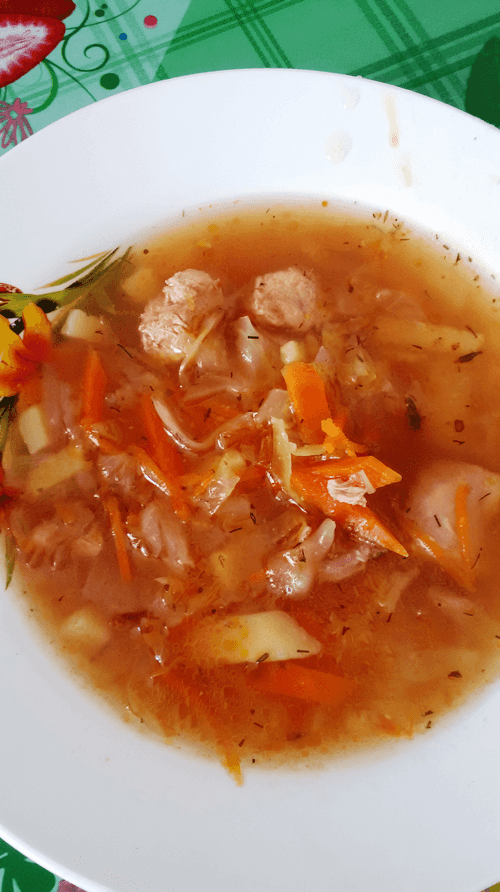
Cabbage soup with greens is one of the most popular dishes in Russian cuisine, known for its simplicity and rich flavor. This aromatic, warming soup has long been a staple in Russia. Fresh cabbage adds lightness and a delicate texture, while the greens provide freshness and a summery aroma. Bay leaves and tomato paste enrich the taste, making it rich and multifaceted. Cabbage soup can be served as a standalone dish, complemented with sour cream and fresh bread. It’s an ideal option for a cozy family lunch that warms the soul and reminds of traditions.
11
10
45

Lenten cabbage cutlets with herbs are a traditional dish of Russian cuisine, perfect for fasting days. Their history roots in village cooking where simple, accessible ingredients were transformed into tasty and hearty treats. Tender cabbage, pre-boiled and chopped, is mixed with aromatic onions, garlic, and fresh herbs to create a rich and refreshing flavor. Semolina and flour give the cutlets density while the breading adds a crispy crust. When fried, they acquire an appetizing golden hue and a subtle vegetable aroma. These cutlets pair excellently with sauces, fresh vegetables or potato sides making them a versatile option for lunch or dinner. The ease of preparation and availability of ingredients make them a popular choice for those who appreciate simple and delicious homemade food.
10
4
60
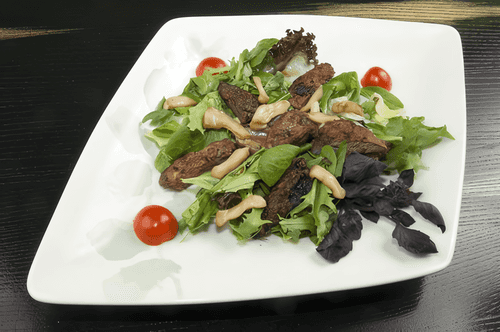
Salad with tripe, herbs, and peanuts is an exquisite French recipe that combines the tender texture of beef tripe with the crunchy freshness of salad and the spicy aroma of peanut oil. Historically, dishes with offal were valued in French cuisine for their rich flavor and benefits. This salad surprises with a contrast of textures: soft tripe harmonizes with juicy cherry tomatoes and refreshing greens. The dressing made from mustard, egg yolk, and aromatic peanut oil adds nutty depth and a hint of spiciness to the dish. Such a salad is perfect as a light dinner or an unusual appetizer for gourmets seeking to explore new gastronomic dimensions.
9
4
160
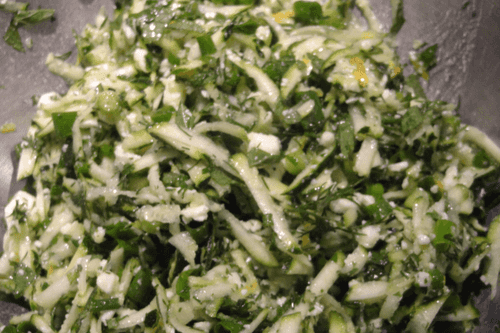
Zucchini salad with herbs and feta is the embodiment of freshness in Mediterranean cuisine. Greeks appreciate simple yet harmonious flavor combinations, and this salad is a great example. Tender grated zucchini adds lightness to the dish, while fresh herbs—mint, dill, and green onions—fill it with the aroma of a summer garden. Feta adds creamy saltiness, and the lemon dressing with garlic and olive oil gives a tangy zest. This salad refreshes beautifully and can be served as a standalone dish or as a side to fish and meat. Chilling it before serving enhances the flavor even more, allowing the ingredients to fully unfold.
10
4
30
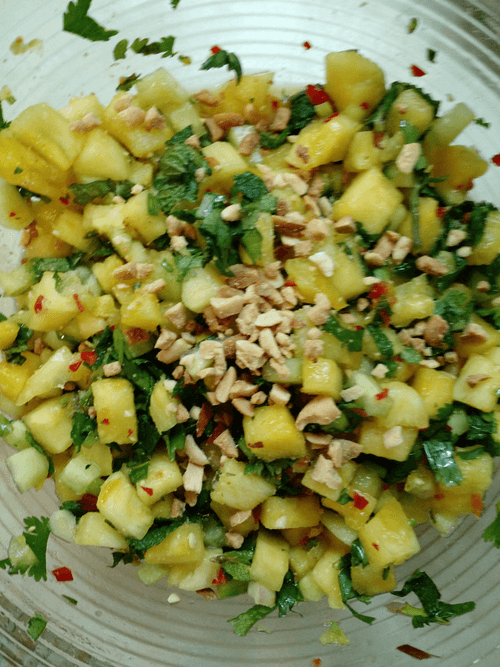
Thai cucumber salad with pineapples, herbs, and peanuts is a delightful combination of sweetness, freshness, and mild spiciness. Its roots go deep into Thai cuisine, where the harmony of flavors plays a key role. Sweet pineapple pairs perfectly with crunchy cucumber, while fragrant cilantro and mint add freshness. The dressing made from fish sauce, lime, palm sugar, and chili gives the salad a subtle sweet-sour spiciness. The finishing touch is crunchy roasted peanuts that add textural richness to the dish. This salad is perfect as a light appetizer or refreshing side dish to main courses.
10
4
30
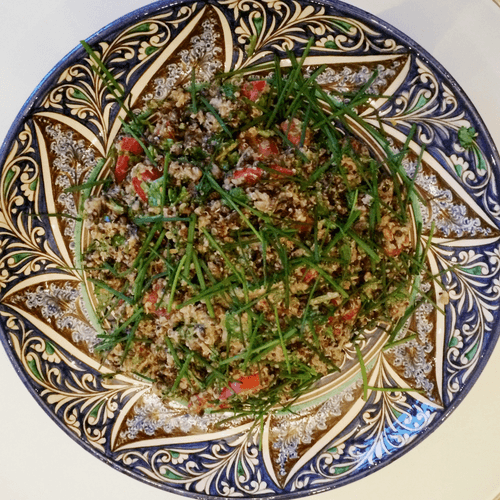
Quinoa salad with greens and a seed mix is a light, nutritious dish filled with the aromas of fresh herbs and the nutty richness of seeds. Quinoa, an ancient grain from South America, harmoniously pairs with beluga lentils to create a textural contrast. Fresh cilantro and mint add freshness and lightness to the dish while cherry tomatoes contribute juicy acidity. A nut mix of pistachios, sunflower seeds, pumpkin seeds, sesame seeds, and chia gives the salad a crunchy texture and deep flavor. Dressed with olive oil, tahini, and lemon juice, the salad achieves a rich and balanced taste. This dish is perfect as a standalone light dinner or as a side to main courses; it can be served chilled for a refreshing option in warm seasons.
15
4
55
A salad of fresh greens with pickled vegetables is a true masterpiece of Italian cuisine, combining the crunchy freshness of greens with the spicy notes of pickled vegetables. Its roots lie in the traditions of Mediterranean cuisine, where simplicity and naturalness of ingredients play a key role. The lightness of arugula, the bitterness of dandelion, and the exquisite taste of tatsoi create a vibrant palette of sensations. Pickled carrots and aromatic herbs add a subtle acidity and rich spicy tones to the dish. A dressing made from rice vinegar, lemon juice, and olive oil ties the ingredients together, highlighting their natural flavors. This salad is perfect for a summer lunch, a light dinner, or as an exquisite complement to main dishes. It not only refreshes but also provides a sense of harmony and health.
9
6
30
This refreshing Pan-Asian salad is a true symphony of flavors and textures. Tender avocado, juicy grapefruit, and sweet cherry tomatoes create the perfect balance of freshness and richness. Arugula and iceberg lettuce add a light bitterness and crunch to the dish, while pumpkin and sunflower seeds contribute a pleasant nutty note. The dressing made from olive oil, balsamic vinegar, and honey enriches the flavor with a light sweetness and delicate acidity. This salad is perfect as a standalone dish or as an accompaniment to fish and meat delicacies. Its history traces back to Pan-Asian traditions that combine exotic fruits with familiar greens and dressings, creating a harmony of tastes. An ideal choice for those who appreciate healthy eating and culinary delights.
10
4
20
Iceberg and greens salad is a light and refreshing dish of Italian cuisine that combines crispy iceberg lettuce leaves and aromatic herbs. Its simplicity and naturalness make it an excellent choice for a light lunch or a side dish to the main course. The buttermilk, yogurt, dill, and parsley dressing gives the salad a gentle creamy taste with a slight tanginess, while shallots add zest. This salad is perfect for summer tables and pairs well with fish, meat, or simply crispy bread. Historically, Italians value fresh ingredients and minimalism in dishes, and this recipe reflects their philosophy — natural flavor without excesses where every detail plays its role.
8
4
30
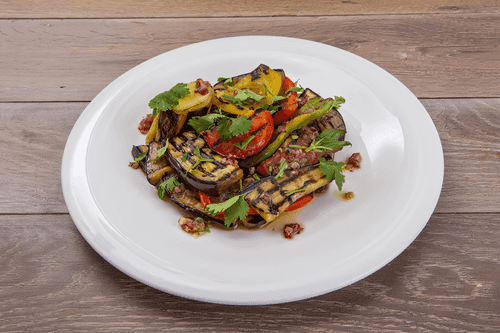
Grilled vegetable and herb salad is the essence of summer flavors and Mediterranean aromas. Historically, such dishes emerged to highlight the freshness of seasonal products and their simple preparation. Grilled eggplant, sweet peppers, and tomatoes acquire a deep, rich flavor with a hint of smokiness, while a dressing of spices, garlic, lemon juice, and olive oil adds zest and refreshing acidity. The addition of basil and cilantro enhances freshness and makes the salad a perfect complement to meat and fish dishes as well as a light dinner on its own. This salad is a true ode to summer, warmth, and gastronomic delight.
14
2
25
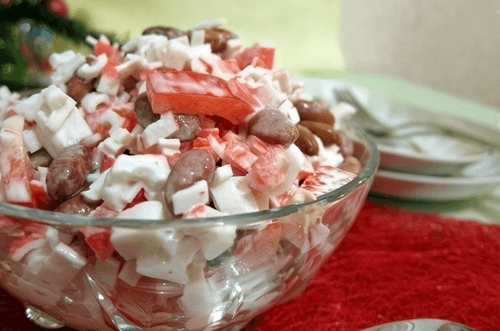
This salad with beans and crab sticks is a simple and harmonious combination of flavors that surprises with its freshness and richness. The sweet crab sticks perfectly complement the sour tomatoes, while the beans in tomato sauce add juiciness and a slight spiciness to the dish. Garlic adds a piquant aroma, and herbs refresh the overall composition. This dish is perfect as a standalone snack or a light side dish for main courses. European cuisine is renowned for its versatility, and this salad is a great example of how simple ingredients turn into a delicious treat. It requires no dressing, preserving its natural juiciness and richness.
6
4
15
Shrimp and herb salad is a light and exquisite dish of Japanese cuisine that perfectly complements the sea breeze and spring mood. Crunchy cucumbers and juicy sweet peppers add freshness, while tender shrimp reveal the depth of flavor. Olives add a spicy note, and herbs provide an aroma that makes this salad truly rich. Olive oil binds all the ingredients into a harmonious composition, giving it a light velvety texture. This dish is perfect for a light dinner or festive table, pairs well with white wine, and highlights the art of simplicity in Japanese gastronomy.
7
3
25




















