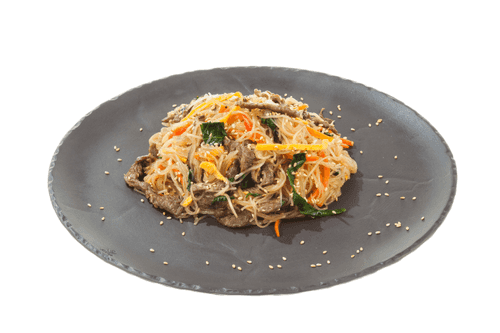












Korean cuisine

Summer eggs are a bright and rich dish of Korean cuisine that combines the freshness of summer vegetables with the spiciness of spices. Historically, such dishes arose from the need to prepare nutritious and simple breakfasts from available ingredients. Crispy potatoes fried in olive oil add textural variety, while sweet tomatoes soften the heat of chili and garlic. Eggs cooked directly on a bed of vegetables retain their tender consistency, and cilantro adds aromatic freshness. This recipe is perfect for a summer breakfast or light dinner when you want something filling but not heavy. It is recommended to serve hot to maintain the contrast of textures and reveal all flavor nuances.
8
2
20
Seoul-style cucumbers are a bright and spicy Korean salad that impresses with the combination of freshness and savory notes. Korean cuisine is known for its bold flavors, and this recipe is no exception. Crunchy and juicy cucumbers are enveloped in a fragrant mix of spices, soy sauce, and garlic, creating a perfectly balanced taste between sweetness, spiciness, and saltiness. This salad is easy to prepare and pairs wonderfully with meat dishes or serves as a standalone snack. It can be served as part of a traditional Korean dinner where the variety of textures and flavors plays a key role. Due to its simplicity in preparation, it is an excellent option for those looking to add a touch of Asian cuisine to their diet.
9
2
5
Radish salad with sour cream is a bright and refreshing dish of Korean cuisine that surprises with its simplicity and harmonious flavors. The light spiciness of the radish combines with the tenderness of sour cream and the richness of boiled egg, creating an exquisite balance of textures. This salad comes from traditional Korean gastronomy, where fresh vegetables play a key role in healthy eating. It is perfect as a light snack or side dish to main courses, adding freshness and lightness to the meal. With minimal ingredients and ease of preparation, the salad can be quickly made even in a hurry. Sour cream gently softens the spiciness of the radish, making the dish pleasant and delicate. It is best served chilled to enjoy its fresh and balanced taste.
3
4
10
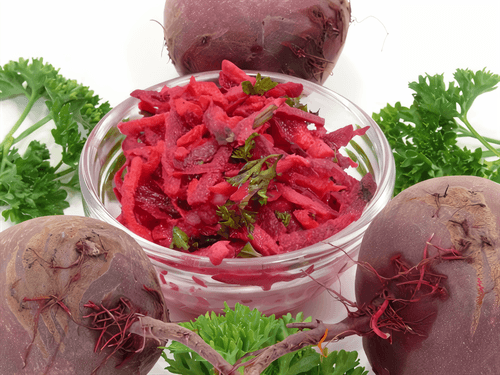
Beet salad with vinegar is a simple yet exquisite dish of Korean cuisine that has a bright flavor and pleasant acidity. Beets, cooked by boiling or roasting, acquire a tender texture, while vinegar adds zest and lightness. Vegetable oil enriches the salad with softness, making it juicier. This salad can serve as an excellent side dish for meat and fish dishes and also complements a vegetarian menu perfectly. The origins of the recipe trace back to the Korean tradition of using simple vegetables with rich aromas of spices and marinades, making it an ideal addition to the spicy and rich flavors of Korean dishes. Dill or parsley completes the composition with fresh notes, giving the salad harmony and brightness.
3
4
40

Bean salad is a delicate combination of freshness and rich flavor characteristic of Korean cuisine. The origins of this dish trace back to traditional recipes where beans served as the base for nutritious and healthy salads. Cooked beans provide softness, carrots add a light sweetness, and celery brings a spiciness. The dressing made from mustard, vinegar, and vegetable oil enhances the flavors of the ingredients, creating harmony. This salad pairs perfectly with meat and vegetable dishes and serves as a light snack or an excellent addition to a festive table. With its rich content of fiber and vitamins, it is not only tasty but also beneficial for health.
8
2
40
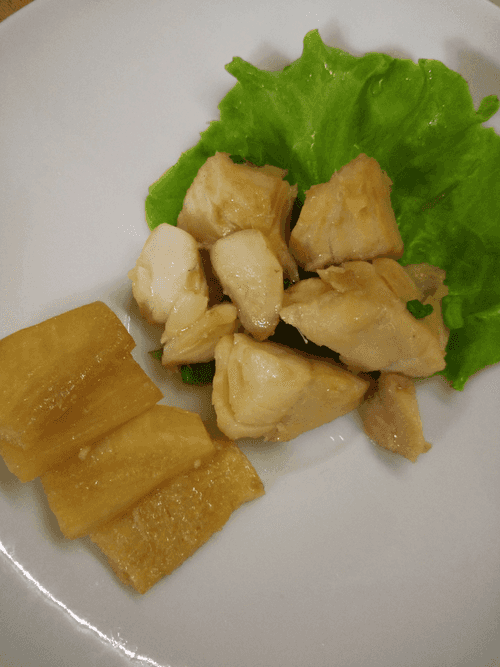
Pollock in soy sauce is a dish inspired by Korean traditions where the harmony of flavors plays a key role. Tender pollock fillet soaked in spicy soy sauce and sweet notes of sugar acquires a rich taste complemented by the aroma of garlic, green onions, and the heat of red pepper. The key ingredient is radish, which adds special juiciness and depth to the dish. During stewing, all ingredients combine to create a rich flavor and appetizing aroma. This dish pairs perfectly with rice, immersing you in the cozy atmosphere of a Korean dinner. It is suitable for lovers of spicy and rich flavors as well as connoisseurs of simple yet exquisite homemade dishes.
8
8
45
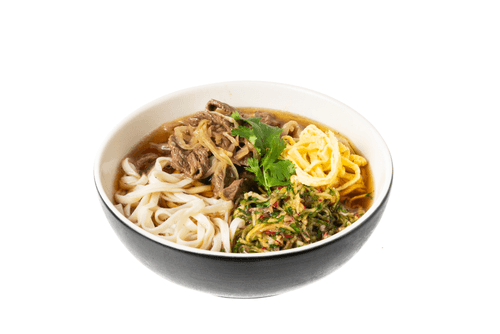
The word "kuksu", or "kuksi", as Russian Koreans say, in the Korean language means any noodles and noodle dishes. In this case, it is a Korean soup, which has a lot of regional variations, degrees of spiciness and depth of detail. In particular, the vegetable salad in it is often dressed not with simple, but with pre-heated vegetable oil. The final ratio of sour and spicy - the two main themes of this dish - must be achieved individually, in each separate plate.
16
6
40
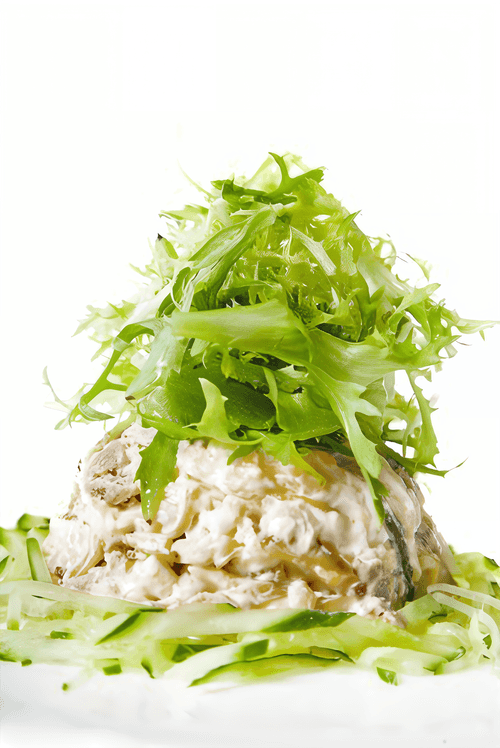
The 'Festive' salad is an exquisite dish of Korean cuisine that captivates with its unique combination of flavors. Tender pieces of canned squid and pink salmon are harmoniously complemented by sweet and sour apples and crunchy gherkins, creating a rich and balanced taste. Potatoes add softness to the dish, while mayonnaise unites all the ingredients into a single, delicate texture. The origins of the recipe can be traced back to the traditions of Korean cuisine, where the harmony of various flavor nuances is valued. This salad will adorn any festive table, surprising guests with its sophistication and originality. Garnished with boiled egg, lemon, and greens, it delights not only in taste but also in its appetizing appearance.
6
4
30
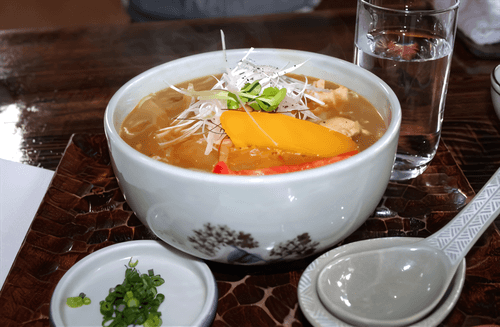
Korean noodles are a dish infused with the soul of Korean cuisine, combining the delicate texture of noodles with the rich flavors of spicy meat, aromatic soy sauce, and vegetables. It originates from traditional Asian recipes where noodles serve as a base for hearty and nutritious meals. The harmony of ingredients—thinly sliced meat, sautéed onions, spicy garlic, and delicate egg pancakes—creates a complex, rich flavor that warms and delights. Served with hot broth, it transforms into an exquisite and comforting dish perfect for cold weather. This dish is not only nutritious but also aesthetic—the vibrant colors of the ingredients make it appetizing and appealing.
6
4
30
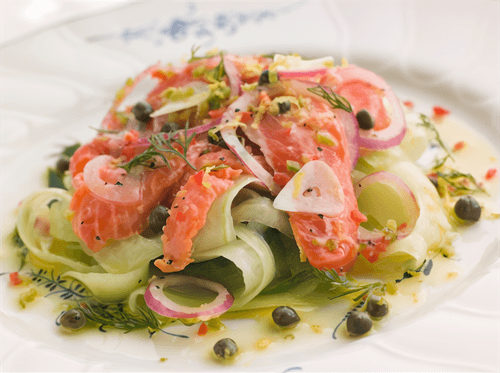
Korean-style marinated fish is a vibrant and spicy dish that brings the freshness of Korean cuisine. Its roots lie in the traditions of quick pickling that preserve the rich flavor of fish highlighted by piquant spices and vegetables. Tender carp fillet soaked in vinegar gains a slight tanginess, while added garlic, coriander, and chili pepper reveal the complexity of Eastern aromas. Cucumbers and carrots provide a crunchy texture, creating a harmony of flavor contrasts. The dish is served chilled, making it an ideal appetizer option, especially alongside main courses or with rice. It not only satisfies but also refreshes with a complex yet pleasant balance of spiciness, acidity, and freshness. A great choice for lovers of vibrant gastronomic experiences.
10
6
30
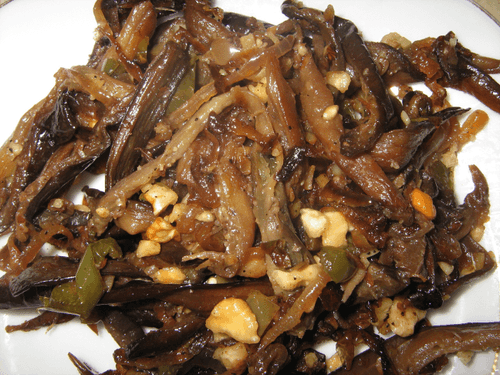
Korean-style fried eggplants are a vibrant dish reflecting the spicy and rich flavors of Korean cuisine. Thin strips of salted eggplants acquire a tender texture, while frying with onions and bell peppers makes them aromatic and juicy. The heat of chili peppers and the zest of garlic add pleasant warmth and depth to the dish's flavor. This treat pairs perfectly with meat dishes or rice, and its richness makes it a great standalone snack. This recipe resonates with traditional Korean marinades and cooking methods, making it an expressive representative of Eastern gastronomy.
6
4
35
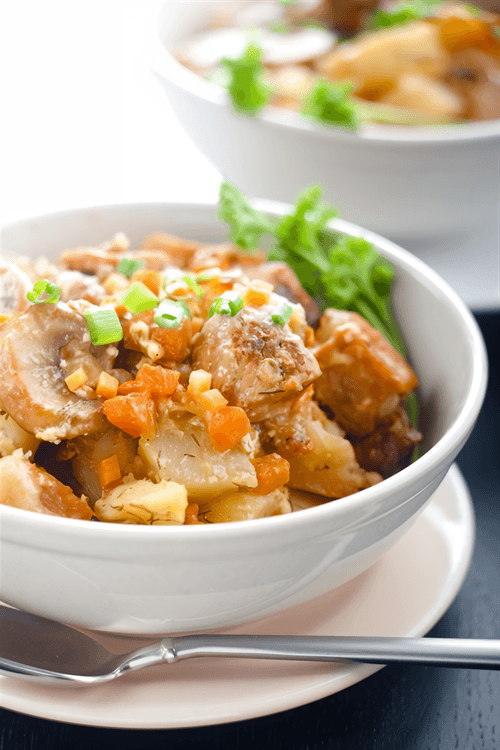
Korean-style fried potatoes with meat is a fragrant dish reflecting the balance of flavors in Korean cuisine. Tender pieces of meat soaked in soy sauce combine with crispy potato slices that gently absorb the spicy aroma of garlic and green onions. Sesame seeds add a subtle nutty note and complete the flavor composition. This dish resembles traditional Korean stir-fries, where the freshness of ingredients and vibrant flavor combinations play a key role. It is suitable for a cozy home dinner or gatherings with friends, impressing with its simplicity of preparation and rich taste. It pairs excellently with kimchi and steamed rice, creating a complete Korean feast.
7
4
45
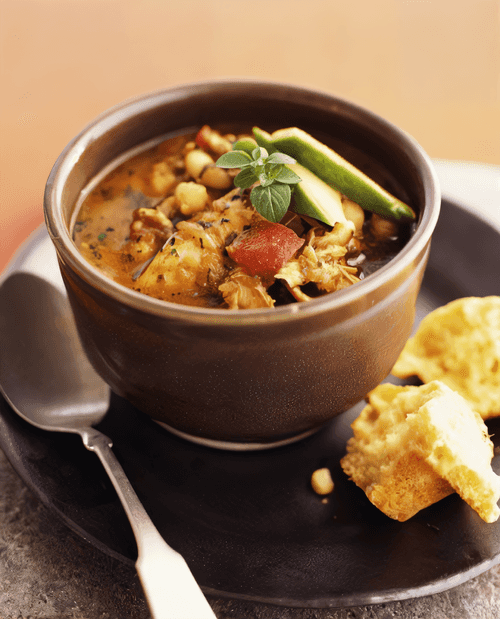
Beef stew soup is a traditional dish of Korean cuisine that reflects the depth of flavors and richness of gastronomic culture. Its origin is linked to ancient culinary traditions where meat was carefully processed to maximize its aroma. Tender pieces of beef fried and then slowly stewed with sauerkraut create a rich flavor with subtle sweet-sour notes. Onions and vinegar add zest to the dish, while the meat broth unites the ingredients into a harmonious ensemble. Topped with garlic or sesame seeds, this soup becomes not just a meal but a true gastronomic delight. It is perfect for cold days, warming and filling with coziness, and its balanced taste makes it a favorite dish for many generations.
10
4
30
Zucchini and red pepper tartlets are an exquisite dish of Korean cuisine that combines the tenderness of vegetables with the aroma of fresh herbs. It's a harmony of flavors: sweet ramiro pepper, soft zucchini, and young potatoes create an ideal base complemented by spicy thyme and basil. A light cheesy accent of parmesan adds depth to the taste, while a delicate egg mixture binds all the ingredients together. The dish cooks quickly, and its airy texture makes the tartlets a perfect option for a light dinner or refined appetizer. Traditionally, Korean cuisine is known for its ability to combine fresh ingredients with minimal cooking, allowing the tartlets to retain the natural flavor of the ingredients. They are ideally served warm with a refreshing green salad or a light yogurt-based sauce.
11
4
30

Frozen hake fried in oil is a dish of Korean cuisine that combines simplicity of preparation with rich flavor. In Korea, fish holds an important place in culinary traditions, and the methods of preparation are diverse. This recipe stands out due to the use of milk, which makes the fish meat tender, while corn oil gives it a light crispy crust. After frying, the hake becomes juicy inside and golden outside, with lemon slices adding fresh citrus notes. The dish is perfect for both a weekday dinner and a festive table, harmonizing with rice, vegetables or spicy sauces. The ease of preparation and availability of ingredients make it an excellent choice for those who want to enjoy the richness of seafood flavor without complex culinary techniques.
7
6
35