






Sushi rice
20 servings
120 minutes
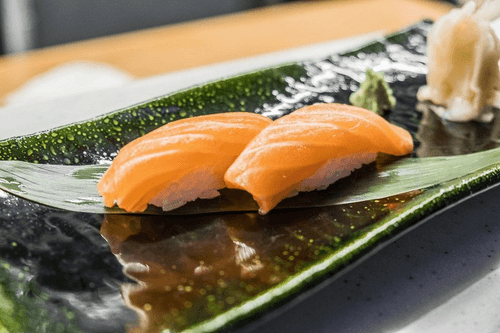
In Japan, round-grain sticky rice is used for sushi. It has more moisture and starch than other varieties, such as basmati. The most popular brands in Japan are Koshi-hikari, Akita Komachi and Hitomebore. They can also be bought in Russia. A good analogue is Nishiki rice, which is produced in the USA. Some Russian restaurants use Kuban round-grain rice.
1
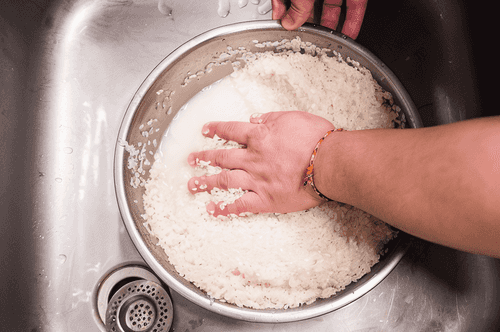
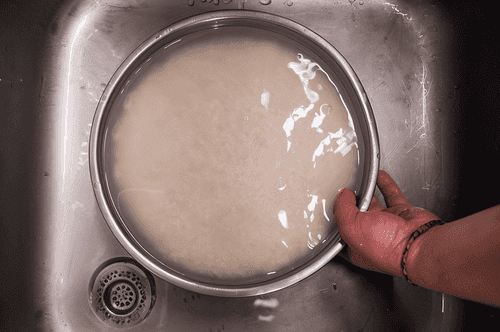
Rinse the rice beforehand to remove any husk residues. The main mistake is washing rice through a sieve under running water. This is not quite right; often the rice grains break during this process. Washing rice by hand, grabbing it in handfuls and squeezing it is not allowed for the same reason. The key is to preserve the texture and integrity of the grains. You need to add some cool water up to half the volume of the rice and gently press it with your palm while rubbing in circular motions clockwise. The first water removes dust. The water becomes whitish and cloudy like milk because starch partially comes out along with dust and husk. This water should be drained and then new water added. This procedure should be repeated 4-5 times until the water becomes almost clear.
- Rice: 2 kg
2
Pour the rice into a sieve, place the sieve over a bowl to let all the water drain completely. Leave the rice in the sieve for about 10-15 minutes.
3
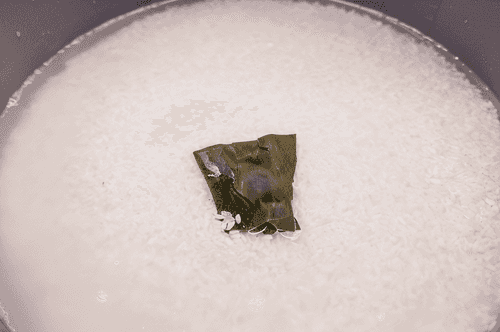
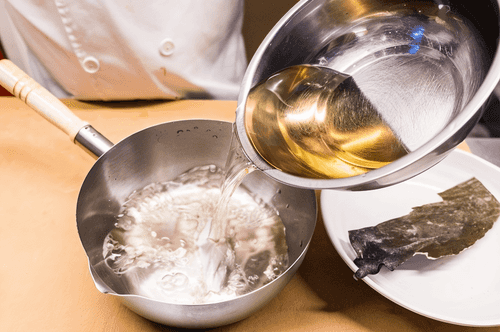
Pour rice into a pot and add water. Japanese rice should be soaked in water for cooking in a one-to-one ratio. American and Russian rice need slightly less water, about 1.9 liters for 2 kg. Add Japanese rice conditioner called 'Miola', available in many Asian stores in Moscow. It gives the rice fluffiness and lightness. The cooked rice won't be crushed or flattened when shaping. Then add 3-5 grams of dried kombu seaweed. Kombu is a natural flavor enhancer, a source of umami. Without umami, the dish will be tasteless according to Japanese traditions. Let the rice with water, conditioner, and kombu sit for 10-15 minutes. Then put it on high heat until boiling, waiting for the water to evaporate from the surface. Once it disappears and the rice is visible above the water, reduce the heat and let it simmer for 20-30 minutes. Finally, turn off the heat and let the rice sit for another 10-15 minutes to steam through; otherwise, it may remain slightly rubbery.
- Rice: 2 kg
- Rice powder: 4 g
- Kombu seaweed: 20 g
4
While the rice is cooking, prepare the sauce. Add sugar and salt to mirin and heat it without boiling, whisking until all dry ingredients dissolve. This should take no more than 5 minutes. Then add 15 grams of dried kombu to the warm sauce. Let it steep for 1 hour.
- Mirin: 500 ml
- Sugar: 250 g
- Salt: 75 g
- Kombu seaweed: 20 g
5
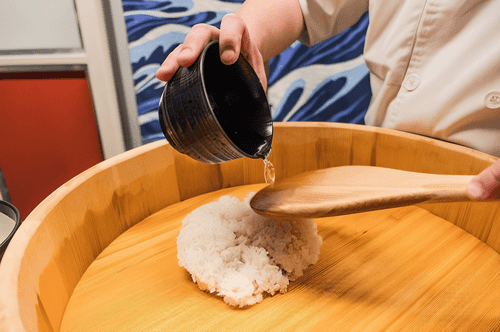
Rice should be seasoned with hot sauce and definitely in a wooden container using a wooden spatula. Wood absorbs excess moisture. The norm is 200-250 grams of sauce per 1 kg of rice. Some prefer a richer taste and dense texture, while others prefer less. But it’s not advisable to pour more than 250 grams: the rice will become very heavy and sticky. The sauce should be poured evenly over the rice; to do this, hold the spatula so that the sauce flows down from it.
- Mirin: 500 ml
6
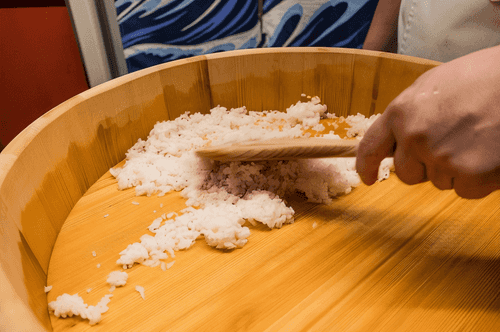
When the sauce is absorbed on one side, let it rest for 5 minutes, carefully flip it to the other side and repeat the procedure. Then let it sit for another 5 minutes and put it in the pot. Once the rice cools down, you can start making sushi.