
North African dish "Ashida" ( عصيدة )
4 servings
10 minutes
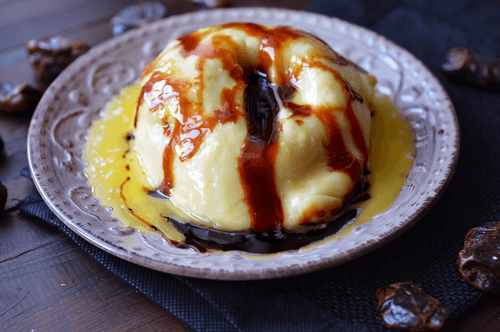
Asida (عصيدة) is a traditional North African dish with roots in the distant past. In Maghreb countries and some parts of the Middle East, asida is prepared as a symbol of hospitality and family warmth. This tender dough is boiled to softness and served with aromatic melted butter and sweet date syrup, creating a harmony of flavors—a slightly salty base complemented by rich sweetness. The dish is eaten hot, exclusively by hand, enhancing its traditional value and creating an atmosphere of closeness. Asida is perfect for cold evenings, warming not just the body but also the soul. In some regions, it is prepared for special occasions like religious holidays or family gatherings, highlighting its significance in cultural traditions.
1
Combine corn and wheat flour. Pour in cold water and mix to avoid lumps.
- Corn flour: 0.5 glass
- Wheat flour: to taste
- Water: 800 ml
2
Place the liquid dough on low heat and cook, stirring, for 6-7 minutes. Add salt. The asida should cook for at least half an hour while stirring constantly. During the cooking process, wheat flour is added, and the asida is scraped with a wooden spoon against the edges of the pot.
- Salt: 0.5 tablespoon
- Wheat flour: to taste
3
Pour olive oil into a large deep plate or on a wooden board. Place the prepared base for asida. Grease your hands with oil and knead the asida, forming a hemisphere shape. Make an indentation in the center.
- Olive oil: 2 tablespoons
4
Melt the butter over the heat.
- Butter: 80 g
5
Place the asid in a dish. Drizzle with melted butter and date syrup.
- Butter: 80 g
- Date syrup: 70 ml
6
The dish is eaten only hot and traditionally with hands. A piece of asida is broken off and dipped in oil with date syrup.