

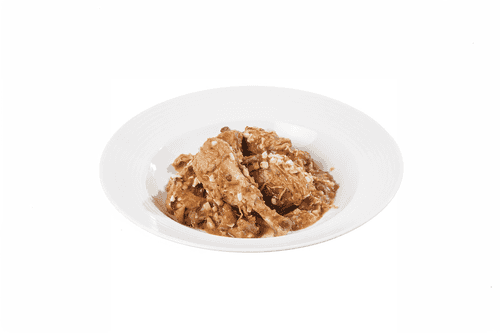
Christmas gingerbread, Estonian style
9 servings
60 minutes
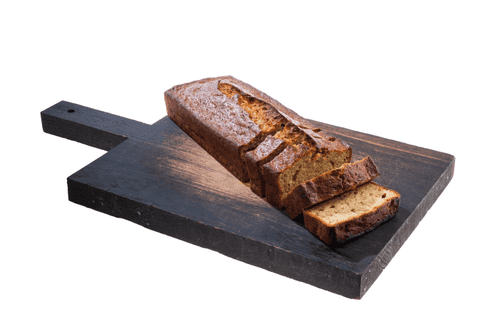
Estonian Christmas gingerbread is a cozy, aromatic treat filled with the spirit of winter holidays. Its history traces back to European spice baking traditions where fragrant spices, honey, and molasses created a special atmosphere for family gatherings. The gingerbread has a rich caramel flavor with light notes of cinnamon and nutmeg, and its texture is soft inside and crispy outside. In Estonia, they are decorated with icing and often used to create gingerbread houses, turning baking into true art. They pair wonderfully with hot tea or coffee, adding warmth to winter evenings. Making them is a ritual that allows one to immerse in traditions and create a festive mood for the whole family.

1
Let's prepare the dough. Beat the butter at maximum mixer speed until it turns pale. This will take about 7-10 minutes. Without turning off the mixer, start adding sugar (50 g) in parts and continue beating — add a third of the sugar, beat for a couple of minutes, another third... and so on.
- Butter: 100 g
- Sugar: 150 g
2
Now the mixer can be turned off and calmly add molasses, honey, and spices. At home, I replace molasses with soft Muscovado sugar — it needs to be soft, meaning it should crumble in the package, not pour out, and be slightly moist. This kind of sugar perfectly replaces molasses! Here in Estonia, it is also replaced with brown sugar syrup — it smells like burnt sugar syrup, thick and sticky, but I haven't seen that in Russia. As a last resort, if there is no molasses, sugar syrup, or Muscovado sugar, you can mix regular sugar with condensed milk — we need a sticky consistency.
- Syrup: 60 g
- Honey: 120 g
- Spices: 2 teaspoons
3
So, we added molasses/syrup/sugar, honey, and spices to the whipped butter. We will whip it for another minute to mix thoroughly.
- Syrup: 60 g
- Honey: 120 g
- Spices: 2 teaspoons
4
Now we sift the flour and add the baking powder to it. Then we add the flour to the butter mixture and mix thoroughly with a spoon. Have we mixed it? Now just for 5 seconds in the mixer to bind the dough. But it's important not to overmix! Just a quick mix, and you'll see that the dough has come together. It will be crumbly, not a single mass — that's what we need.
- Wheat flour: 350 g
- Baking powder: 1 teaspoon
5
First, we can do whatever we want with this dough. For a large gingerbread, I placed all the dough in a round 25 cm diameter mold and baked it in the oven for 25 minutes at 170 degrees. If you want cookies or gingerbread house pieces, knead the dough thoroughly by hand for about 10 minutes until it becomes elastic, then roll it out with a rolling pin, constantly dusting the table and the pin with flour — it's important that the dough doesn't crumble or stick, but at the same time, there shouldn't be any white flour left on the finished products, otherwise, it will be visible after baking. Excess flour can be brushed off before putting it in the oven.
6
Bake small gingerbreads for 7-12 minutes (depending on the oven) — watch that they don't get too brown; they should just slightly rise and remain soft and porous inside to avoid drying out during storage.
7
Small figurines can be decorated with colorful protein or chocolate glaze.
8
Making the glaze is very simple — take a lot of sugar (100 g) and a little water (30 ml), bring it to a boil while stirring constantly until the sugar completely dissolves. There's no need to cool this mixture; otherwise, it will thicken. Take a brush, dip it in the glaze, and start spreading it over the surface of the gingerbread with vigorous back-and-forth movements as if you're a bad painter in a hurry. Do this energetically! Your hand will get tired in a minute. Add more glaze and spread again. This way it distributes over the entire surface and when it starts to set, it will turn white like gingerbread usually does.
- Sugar: 150 g
- Water: 30 ml
9
And then we just let our gingerbread cool and soak well, and we can drink tea!