







Recipe Catalog
Recipes with all the words: 1. Next come recipes that match some of the words

Baklava is a symbol of Turkish cuisine, a delightful dessert with a centuries-old history rooted in the Ottoman Empire. Its thin layers of dough soaked in butter and layered with nuts create a delicate, crispy texture. The aroma of vanilla and honey adds a sweet, warm depth of flavor. When baked, baklava takes on a golden color, and the honey soaking makes it juicy and rich. This treat is traditionally served at holidays and family celebrations, accompanying tea ceremonies and friendly conversations. Each piece is a harmony of crispy crust and sweet filling that offers true gastronomic pleasure.
12
6
180

Baklava made from phyllo dough with almonds is an exquisite dessert of Eastern cuisine, rooted in the Ottoman Empire. This sweet pie soaked in aromatic citrus-infused sugar syrup has a delicate crispy texture created by layers of airy phyllo dough. The walnut filling with sugar adds a rich nutty flavor, while almond decorations complete the harmony of aromas. Melted butter adds tenderness, and the caramelized crust formed during baking makes each piece unique. Baklava is traditionally served chilled to allow the syrup to soak into the layers of dough, revealing a sweet honey-nut flavor. This traditional treat is perfect for festive gatherings and tea parties where deep flavor accents and rich texture are appreciated.
9
8
70
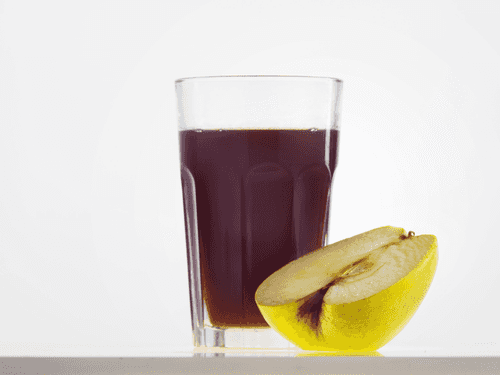
Here is another Swedish glögg from Restaurant Bjorn, this time traditional, with red wine.
13
6
35

Pursalada is a traditional Basque soup that has found a special place in Norwegian cuisine due to its simplicity and rich flavor. The base consists of tender cod fillet, adding a light sea note. Leeks add gentle sweetness, while potatoes make it thick and hearty. This soup is perfect for cold days, warming with its aroma and rich texture. It is slowly cooked to allow the ingredients to meld into a harmonious taste and can be served with rye bread or a light salad to highlight its freshness.
5
6
90

Mastika cookies are a traditional Greek Christmas treat that combines delicate cookies with the subtle aroma of mastika. The origins of this recipe date back centuries when mastika was valued for its unique flavor and healing properties. This delicacy has an airy texture, slightly crumbly, with pleasant nutty notes of roasted almonds. The powdered sugar coating on the warm cookies adds tenderness to the sweetness, while mastika contributes a light woody undertone. Perfect for cozy winter evenings with a cup of hot tea or coffee. It's not just a cookie but part of a festive tradition that fills the home with the aromas of the Eastern Mediterranean.
7
12
35

Buuzas are a traditional Buryat dish resembling large juicy dumplings with an open top. Their history originates from nomadic peoples where steaming preserved the meat's juiciness. The filling of beef and pork provides a rich meaty flavor, while the tender dough perfectly retains the juice, making each bite succulent and aromatic. The thin shaping with 33 pleats is not just a tradition but an art that conveys the craftsmanship of generations. Buuzas are served hot, seasoned with soy sauce or fresh herbs; they are excellent as a standalone dish or part of a feast. Their juiciness and rich flavor make them not only filling but also surprisingly cozy, like a warm embrace of Buryat cuisine.
8
6
120

Tamago kake gohan is a simple yet exquisite breakfast beloved in Japan. Its history traces back to the tradition of enjoying the freshness of natural ingredients. In this dish, warm fluffy rice is combined with a rich, tender egg yolk marinated in soy sauce, sake, and rice vinegar. The marinated yolk adds a deep umami flavor to the dish, making it particularly rich. The cooked rice is gently mixed while the yolk is carefully placed in the center, creating a perfect blend of textures. This breakfast embodies the philosophy of Japanese cuisine: harmony of simplicity and flavor where natural ingredients shine.
6
4
180

Kneidlach is a traditional Jewish dish, especially revered during Passover. Its roots go back centuries when matzah became the main ingredient in festive meals. These delicate dumplings made from matzo meal, chicken fat, and eggs have a soft texture and absorb the rich flavor of broth. They are served with a fragrant vegetable broth, creating a hearty and cozy dish. Kneidlach symbolizes family traditions, warm memories, and the strength of community. They can be eaten as a standalone first course or used as a side dish to meat, enriching the meal with depth of flavor and aroma. Due to their simplicity in preparation and harmonious taste balance, this dish remains a favorite among many generations.
10
4
120

The recipe is taken from the book "The North Warms" by Rashid Rakhmanov, published by "Eksmo". "The gastronomic festival "Cherinyan-gazh" is held annually in Pechora. From the name, you probably already understood that its main dish is fish pie. The Komi are very hospitable people: "Come and drink tea" - this is how they invite a guest. And when you come, you will certainly see on the table among the treats a traditional fish pie cherinyan (in translation from the Komi language "cheri" - "fish", "nyan" - " bread" ). Various fish pies have always been a traditional food of the Zyryans, they baked whole fish in dough, right with the scales. In addition to fish, they added eggs, herbs and various cereals to the pie.
9
12
90

The recipe is taken from the book "The North Warms" by Rashid Rakhmanov, published by "Eksmo". "Mushrooms have always had a place of honor in Russian national cuisine. They occupied it not only on the peasant's table, but also on the royal table. Salted mushrooms were especially prized - aromatic milk mushrooms and saffron milk caps smelling of fresh pine needles. Soups were cooked from mushrooms, they were added to cabbage soup. Pies with mushrooms were also very popular. Gubnitsa is a mushroom soup, gribovnitsa. The soup got this name because in the Vyatka region, as well as in the Russian North in general, mushrooms were called lips. They say that the birthplace of gubnitsa is Vyatka, and this soup was first cooked in the northern part of the Vyatka province. In the traditional version, the soup is cooked from porcini mushrooms, aspen mushrooms and birch boletes. You can cook it from frozen mixtures, but nothing compares to the taste of fresh seasonal mushrooms. So as soon as you see grandmothers offering to buy these mushrooms at the end of summer and beginning of autumn, be sure to take advantage of the moment and prepare a real Vyatka Gubnitsa
14
8
45

Zurek is a soulful Polish soup with a rich history dating back to the Middle Ages. Its main feature is the rye sourdough that gives the dish a characteristic tang and deep aroma. The taste of zurek is surprisingly layered: the sour base harmonizes with a rich meat broth, spicy seasonings, and a creamy texture. This soup is often served with smoked sausage and boiled eggs, making it even heartier. Traditionally prepared for Easter, it remains popular year-round, warming and comforting on cold days. It is typically served in bread bowls, adding a touch of authenticity and rustic charm. Such a soup embodies Polish gastronomy by combining flavor, tradition, and coziness.
16
8
120

Recipe from Ilya Cherkashin, chef of Levantine Fire Cuisine Bar.
21
12
120
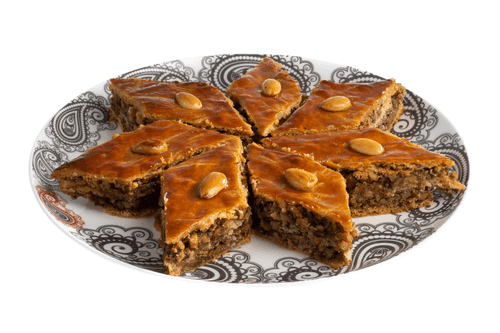
Baklava is a famous oriental sweet, the history of which, according to one version, begins in Greece as early as the 2nd century BC. In any case, it is to this time that the first records of the ancient Roman pie placenta made of puff pastry, honey and nuts are attributed . Nowadays, we are accustomed to considering Turkey as the birthplace of baklava (or baklava), which is not surprising: there are more than a hundred varieties of this dessert in the country. The filling and cooking technology may vary depending on the region, but the essence remains the same: these are layers of dough soaked in honey, rolled out to a paper-thin layer, between which a textured filling is hidden.
10
20
120

Baklava with powdered sugar is a true embodiment of Eastern sweetness, rich in aromas and delicate texture. This dessert has roots deep in Azerbaijani cuisine and consists of layered delicacy soaked in sweet syrup and adorned with nuts. Thin layers of dough alternating with nut filling create a unique combination of a crispy crust and a soft, melt-in-your-mouth center. The special flavor of baklava is enhanced by saffron, giving it a subtle spicy note and exquisite aroma. This dish not only delights the taste buds but also carries traditions passed down through generations, decorating festive tables and symbolizing hospitality. Baklava is best served with a cup of strong tea that highlights its rich sweetness and adds a touch of warmth and coziness.
10
6
45

Baklava 'One Thousand and One Nights' is a magical treat born from the depths of Arab cuisine, inspired by the atmosphere of Eastern tales and mysterious nights. This dessert combines the flaky texture of crispy dough with a delicate nut filling soaked in fragrant syrup. Baklava is a symbol of luxury and hospitality; its taste is rich, sweet, and spicy with a hint of lemon's tartness. It is perfect for enjoying with a cup of hot tea, creating cozy moments with family and friends. This dessert is prepared for celebrations, bringing joy and a sense of Eastern fairy tale to every piece.
7
4
35