













Recipe Catalog
No recipes contain all the words, showing recipes that match some of them
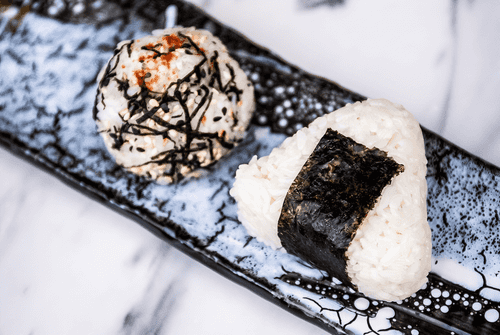
Onigiri with sesame is the essence of Japanese simplicity and flavor. These rice balls wrapped in delicate nori have a long history dating back to the samurai era when they served as convenient food for warriors on campaigns. Their taste is a harmonious blend of warm rice's softness and a light nutty note of sesame. Onigiri can be further sprinkled with paprika or cayenne pepper for added zest. They are traditionally dipped in soy sauce, highlighting the natural sweetness of the rice. This version of onigiri is perfect as a light snack to take along or as part of a traditional Japanese breakfast. The simple preparation makes them accessible even for culinary beginners, while their versatility allows for experimentation with fillings and spices.
6
12
30
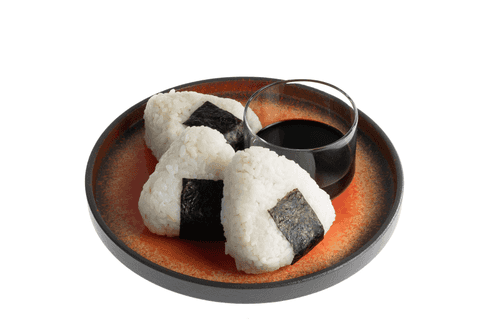
Onigiri are Japanese portioned rice balls with a filling inside. This is an ideal snack in every sense. Firstly, it is filling: each portion contains a decent amount of rice, and therefore carbohydrates. Secondly, it is portioned and convenient: onigiri are taken with you on the road, to work, given to children at school. They are convenient to eat on the go with your hands. Thirdly, it takes a few minutes to prepare and does not require any special culinary skills, even easier than rolls, no bamboo mats. They are extremely popular in Japan : there are even specialized stores that sell only onigiri. There are no mandatory ingredients other than rice. Chicken, meat, fish, vegetables can be inside. Both something specially prepared and left over from cooking other dishes, for example, leftovers from an omelet, salads, meat trimmings, etc. are an ideal representative of the utilizotto genre, so beloved by our editorial team.
7
12
90
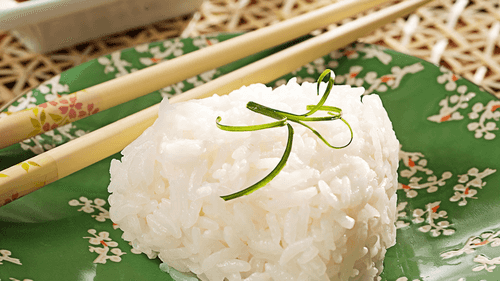
Onigiri is a traditional Japanese dish that combines simplicity and sophistication. These rice balls have been popular among samurai as a convenient and nutritious food. They can have various fillings: tuna with egg and mayonnaise, lightly salted salmon with Philadelphia cheese, or cod roe. Onigiri has a delicate rice flavor with a slight tang from vinegar and rich fillings that create a balance of textures and tastes. They are served with soy sauce, adding depth to the flavor. Their convenient shape makes them an ideal snack at home or on the go. These small triangles are not just food but part of Japanese culture embodying traditions and love for simple yet harmonious flavors.
12
6
45
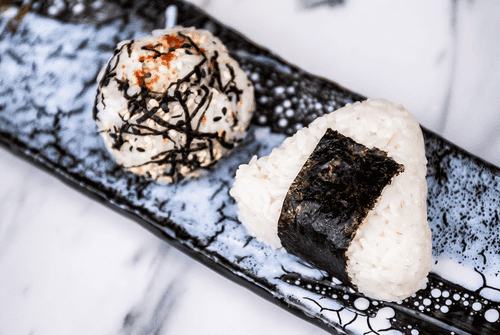
Onigiri with chicken is a harmony of simplicity and flavor from Japanese cuisine. In Japan, onigiri is not just food but a symbol of comfort and tradition. Tender, slightly sticky rice enveloping juicy chicken filling creates a pleasant texture combination. Sweet pepper adds freshness, while a light touch of mayonnaise brings softness and richness to the taste. The finishing touch is a strip of nori that adds a hint of spiciness and convenience when eating. This dish is perfect for a quick snack or a cozy home dinner. Onigiri are easy to transport and store, making them an ideal choice for lunch on the go. Enjoy this simple yet surprisingly delicious treat infused with the spirit of Japanese traditions!
5
12
30

Sweet raw vegan onigiri is an unusual interpretation of a traditional Japanese dish that harmoniously combines the freshness and sweetness of natural ingredients. Inspired by raw food principles, onigiri here takes on a completely new sound by replacing rice with carrot pulp enriched with coconut flakes and aromatic spices. Their delicate filling of ripe banana adds pleasant softness and sweetness, while honey water and a splash of lemon juice create a light refreshing note. Due to their composition, they are perfect for a healthy snack or dessert, delighting not only in taste but also in benefits. Chilled in the refrigerator, they become even more expressive and melt-in-the-mouth, reminiscent of the Eastern tradition of enjoying simple yet exquisite flavors.
10
3
30
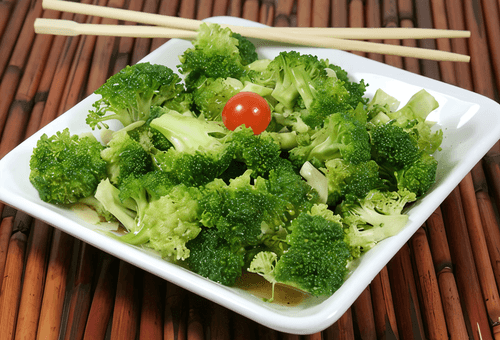
This recipe embodies Thai cuisine, blending freshness and spiciness. Young broccoli steamed retains its tender crunchiness, while a flavorful dressing of chili pepper, lime, and sesame gives it a bold, rich taste. Chili adds heat, lime provides refreshing acidity, and sesame oil and seeds bring nutty notes. Thais love flavor balance, and this dish is a perfect example of harmony between spiciness, acidity, and umami. It works as a light side dish to rice or noodles but can also serve as a standalone dish for those who appreciate simplicity and rich flavors of plant ingredients. It's a healthy and nutritious option for those seeking lightness and sophistication in every bite.
7
4
30
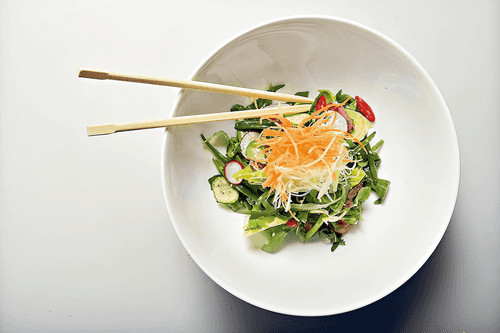
Asian cooking techniques seem to be specially designed to save time on cooking. Take, for example, this beef salad: quickly fried meat, a quick sauce - and pleasure that is three times greater than the effort.
17
1
20

Cucumber and sesame salad is an exquisite blend of freshness and spiciness. Its roots trace back to Asian culinary traditions where pickled vegetables are considered an art. Here, the crunchy cucumber is infused with a delicate sauce made from soy sauce, mirin, and sake, achieving a subtle balance of sweetness and saltiness. Toasted sesame seeds add a nutty aroma and light crunch. This salad pairs perfectly with fish or meat dishes and serves as a refreshing addition to any table. It is quick to prepare but requires marinating time to unlock its full flavor depth. The salad can be served as an appetizer or side dish, suitable for both casual dinners and festive gatherings.
7
2
80
Cabbage trio with sweet sesame dressing is an ode to freshness and flavor contrasts. European cuisine embodies a harmony of textures: crispy napa cabbage, juicy red cabbage, and tender leaf cabbage create a palette of shades. Bright accents of sweet pepper and sprouts complement the ensemble, while the sauce made from sesame and olive oil, honey, soy sauce, garlic, and ginger adds a deep Eastern note. Chili pepper adds a slight spiciness that highlights the natural taste of the vegetables. This dish is perfect as a fresh side for meat or fish dishes and as a light salad for those who appreciate flavor balance and the benefits of natural ingredients.
14
6
25
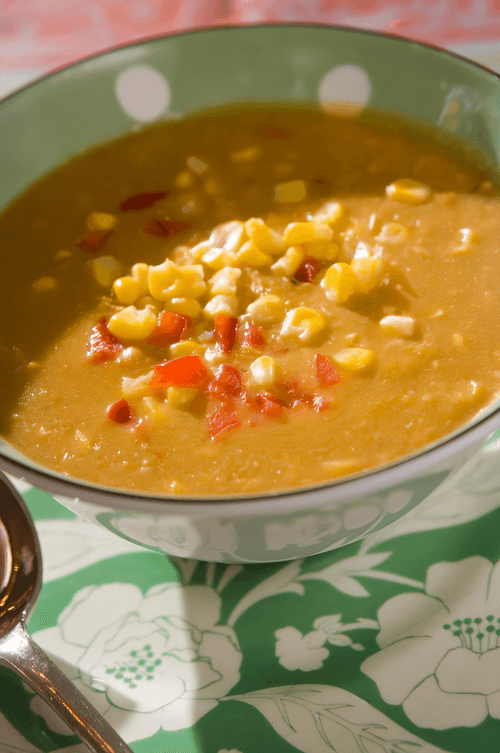
African soup with sesame and spices is a fragrant dish inspired by the warm flavors of the continent. Its roots trace back to North African culinary traditions where sesame and spices play a key role. The delicate texture of tahini blends with the rich aroma of coriander, cumin, and cardamom, creating a harmony of flavors. The addition of fresh vegetables, ginger, and cayenne pepper gives the soup a light spiciness and refreshing zest. An important detail is corn, which adds a slight sweetness and balances the bright notes of spices. This soup not only warms but also nourishes, perfectly pairing with bread or light sides. It is ideal for a cozy family dinner or an unusual gastronomic discovery.
14
4
15

The cocktail with sesame and vanilla is a refined blend of Eastern motifs and gentle sweetness. Handcrafted sesame milk fills the drink with a nutty aroma, while natural vanilla gives it a deep, warm flavor. Dates add natural sweetness, harmoniously complementing the freshness of bananas. This cocktail not only refreshes but also nourishes due to its richness in beneficial nutrients. It is perfect as a morning energy boost or a light dessert on a hot day. Its origin can be linked to the traditions of Eastern cuisine, where sesame milk is valued for its health benefits. Served chilled, it decorates the table with its velvety texture and rich taste.
6
5
15

This sauce made from mustard and sesame oil is a magnificent blend of Japanese flavors with a spicy kick. Sesame oil adds richness and nutty notes to the sauce, English mustard provides sharpness, while sweet chili sauce and ketchup create a harmonious balance of sweetness and heat. A pinch of sugar smooths out the flavor nuances, making the sauce milder. This sauce can be used as a marinade for meat or as a zesty dressing for salads, especially pairing well with Japanese dishes. Its origin is linked to traditional Japanese cooking techniques where sesame oil is used to enhance flavor. Due to its simplicity in preparation, this sauce can become an indispensable ingredient in your culinary collection, adding Eastern notes to any dish.
5
4
30
This simple yet elegant recipe pays homage to Japanese cuisine, where minimalism meets rich flavor. Crispy soybeans sautéed with spicy red chili and fragrant sesame oil gain a piquant and deep nutty note. This snack is popular in Japanese bars (izakaya) – perfect for leisurely conversations over a glass of sake or beer. A light touch of salt enhances the natural sweetness of the beans, while roasting makes their texture even more appetizing. Serving in small bowls with a separate container for shells is a classic way to enjoy this dish in traditional style. It beautifully complements an evening meal, adding a touch of Asian charm.
4
4
60
Fried chicken with canned vegetables, oyster sauce, and sesame oil is a vibrant dish of Japanese cuisine that combines the rich flavor of chicken, the tenderness of pickled vegetables, and the richness of oyster sauce. The roots of this dish lie in Japanese gastronomic traditions where the balance of sweet, salty, and umami is key. Shiitake adds depth to the flavor while cabbage provides a light tanginess. Sesame oil completes the composition with a subtle nutty aroma that highlights the harmony of ingredients. Served on fluffy rice makes the dish nutritious and filling, while chili sauce adds spiciness. It's an ideal choice for those who want to enjoy the refined yet rich taste of Japanese cuisine.
18
2
45
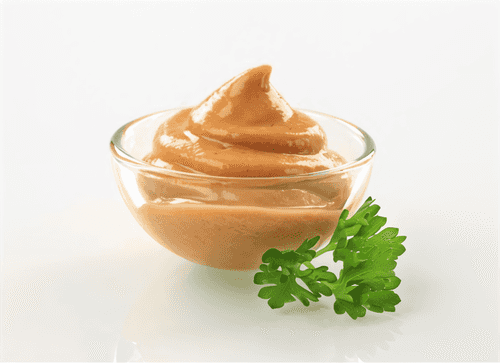
This Japanese sauce with mustard and sesame oil is a harmonious blend of savory and sweet notes, embodying the traditional balance of flavors in Japanese cuisine. It draws inspiration from umami by combining fragrant sesame oil with sharp English mustard, sweet chili sauce, and a gentle tang from ketchup. The flavor of the sauce is multifaceted: it starts with a soft sweetness, then reveals a light spiciness from the mustard and a rich nutty undertone from the sesame. This sauce is perfect as a dip for vegetables and seafood, a marinade for meat, or an original addition to sushi and rolls. Easy to prepare yet surprisingly complex in taste sensations, it will be the highlight of any dish.
5
4
25