












Recipe Catalog
Recipes with all the words: 2. Next come recipes that match some of the words

The Moscow Mule was the start of vodka's triumphant march across America in the 1940s: before that, it was mostly drunk neat by Eastern European immigrants or mixed with gin.
8
1
7

Moscow Mule is a refreshing cocktail with a deep history despite its name. It emerged in the mid-20th century in the USA when entrepreneurs sought ways to popularize vodka. A distinctive feature of this drink is its serving in a copper mug, which helps maintain coolness and highlight the spicy notes of ginger. The taste of Moscow Mule is a harmony of fiery ginger, tart lime, and smooth vodka, creating a refreshing blend. It is perfect for summer evenings when something invigorating but not too strong is desired. Due to its simplicity in preparation and expressive flavor nuances, this cocktail has become a classic among bartenders and connoisseurs of fine drinks.
5
1
5
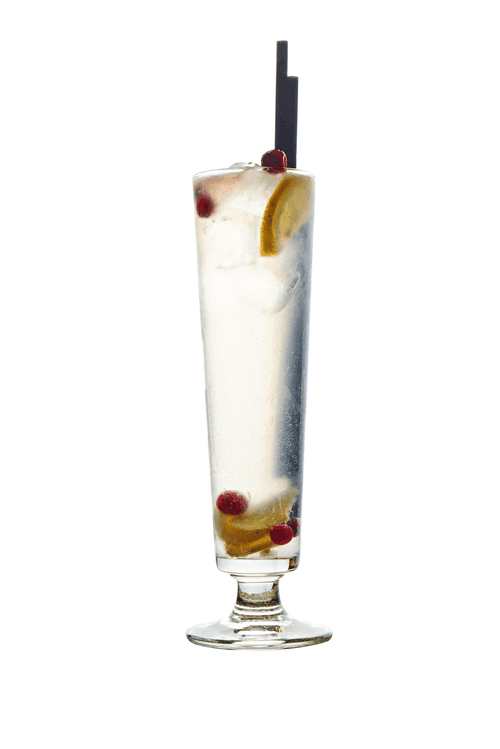
A Tverskoy twist on the Moscow Mule cocktail. Tverskoy — with gin and ginger juice instead of ginger beer, with tonic, cranberry and lemon and, of course, with vodka, as a mule should be. A real anti-northern set in a glass. Recipe from the Tver restaurant Bar BQ. The recipe is taken from the book "Geography to Taste with Nika Ganich. Gastronomic Guides.
8
1
5

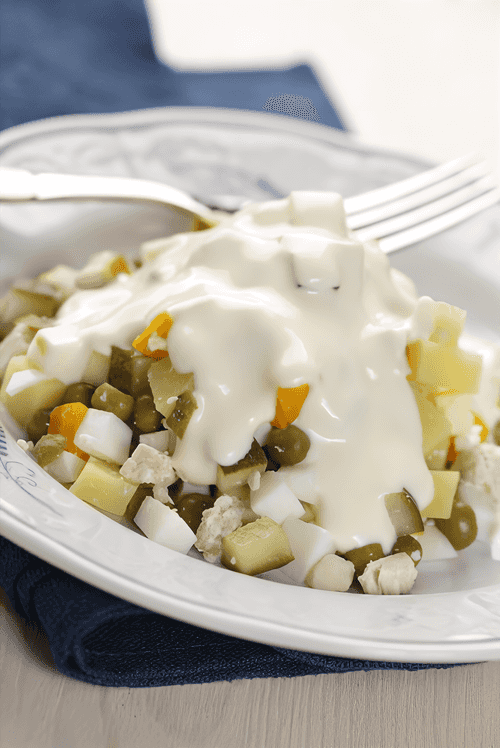
Olivier in the old Moscow style is an elegant and refined version of the legendary Russian salad, rooted in the 19th century when French chef Lucien Olivier created it for the Moscow restaurant 'Hermitage'. This version uses tender crab meat instead of traditional sausage, adding a noble sea flavor to the classic recipe. The taste of the salad is a harmonious blend of fresh pickles, sweet carrots, tender potatoes and eggs, along with the spiciness of green onions. Green peas add softness and lightness to the salad, while mayonnaise envelops the ingredients, creating a perfect consistency. This salad is suitable for festive dinners and holiday tables, bringing a touch of aristocracy and history from old Moscow.
9
4
20

The 'Gingerbread Moscow' cake is an exquisite dessert inspired by the atmosphere of winter holidays and cozy Russian evenings. Its base is a spiced honey sponge soaked in aromas of spices, citrus notes, and light caramel. Inside lies rich cranberry jelly that adds freshness and a pleasant tartness to the cake. Creamy chocolate mousse with nutmeg adds tenderness and deep flavor. The final touch is a mirror glaze reflecting the festive mood. This dessert pairs perfectly with hot drinks and becomes a decoration for any feast.
21
8
160
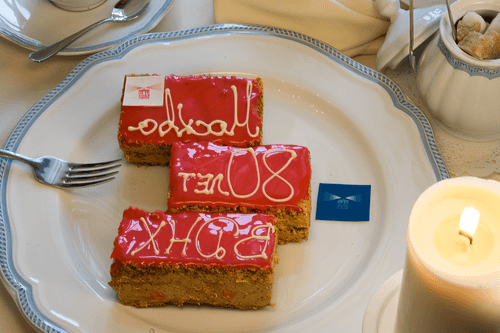
This is how they prepare dessert in the restaurant "Moscow Sky".
8
12
120
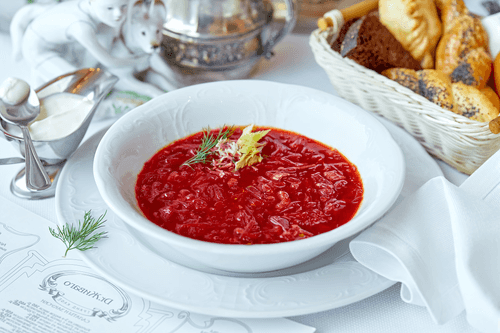
A quiet, calm recipe that requires two types of cabbage: raw and pickled. Recipe by Alena Solodovichenko, chef of "Dr. Zhivago.
18
4
60
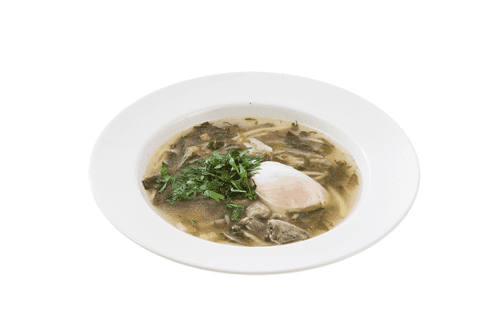
They don't add pearl barley and potatoes to this rassolnik, otherwise it would be a Leningrad version. In addition to the obvious pickles, they put a lot of white roots in Moscow rassolnik - from parsnips to celery.
19
12
120
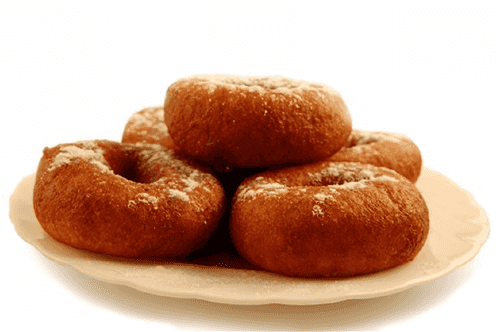
Moscow donuts are a fragrant treat from Russian cuisine, characterized by a delicate texture and subtle cinnamon aroma. Their history begins in old Russian baking traditions, where housewives aimed to create a simple yet delicious delicacy for the whole family. Fluffy rings of dough fried in hot oil acquire a golden crust and delightful crunch. Dusting them with powdered sugar adds sweetness and comfort in every bite. These donuts are perfect for morning tea or evening gatherings with loved ones. Their softness and lightness make them a favorite treat for both children and adults. They are easy to prepare, but their taste is a true symbol of home warmth and gastronomic pleasure.
7
4
30
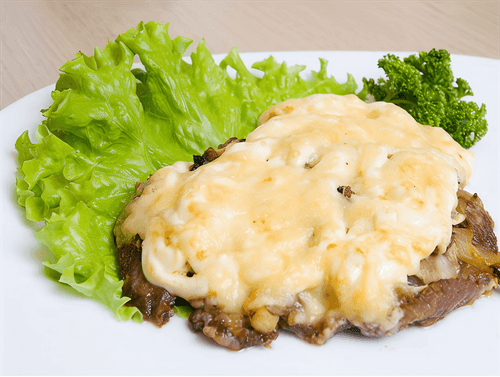
Moscow-style meat is a vivid example of Russian hospitality and culinary sophistication. This recipe likely originated in Soviet times when simple ingredients were transformed into true gastronomic masterpieces. Tender boiled beef serves as the dish's base, while sautéed onions, melted cheese, and zesty mayonnaise add rich flavor and juiciness. Baked to a golden crust, the meat acquires an appetizing aroma and tender texture. This dish is perfect for family dinners and festive gatherings, pairing wonderfully with potato sides or fresh vegetables. Moscow-style meat is comfort food that evokes home traditions and the warmth of the hearth.
7
4
60
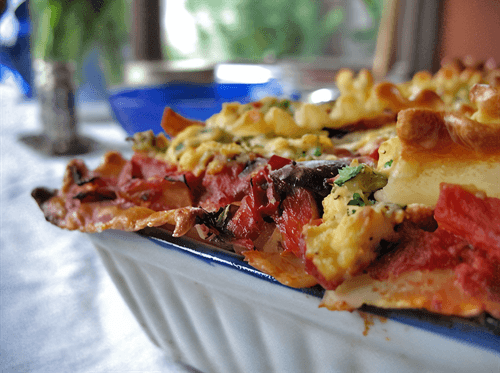
Moscow lasagna is an exquisite blend of Russian culinary tradition with elements of European cuisine. Unlike classic Italian lasagna, it features layers of soft cheese that replace the dough, creating a unique texture. The hearty meat filling infused with the aroma of fried onions and tomato paste provides a rich flavor, while fresh tomatoes add a light tang and juiciness. Baked to a golden crust, this dish becomes the centerpiece of family dinners or festive gatherings. Served with greens, it delights the eye and palate, offering a harmony of simplicity and sophistication.
10
6
45
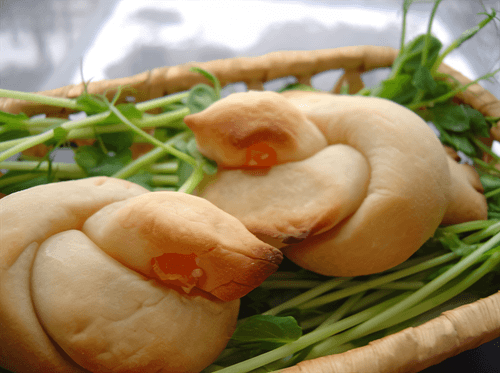
Traditionally, birds made from Lenten yeast dough are baked on March 22, the day of the vernal equinox according to the Orthodox calendar is considered a great holiday - the day of remembrance of the Forty Martyrs. But the custom is obviously more ancient: even in pre-Christian Rus', the arrival of spring was celebrated with "bird bread.
7
4
40

Moscow kalach is a symbol of Russian baking tradition dating back to ancient times. Its recognizable shape with a 'lip' and 'handle' makes it unique among other types of bread. Kalach has a soft, airy texture with a delicate taste that features a slight tang from the yeast and a sweet aroma of wheat flour. Traditionally used as part of the meal, its handle was torn off and eaten first, leaving the main part for later. When prepared with proper temperature control and careful shaping, kalach turns golden brown with a crispy crust and rich aroma. Baking is accompanied by dense steam, making it especially soft inside. Today, Moscow kalach is not only a historical product but also a delicious treat perfect for serving with traditional Russian dishes or simply with butter and honey.
4
8
480
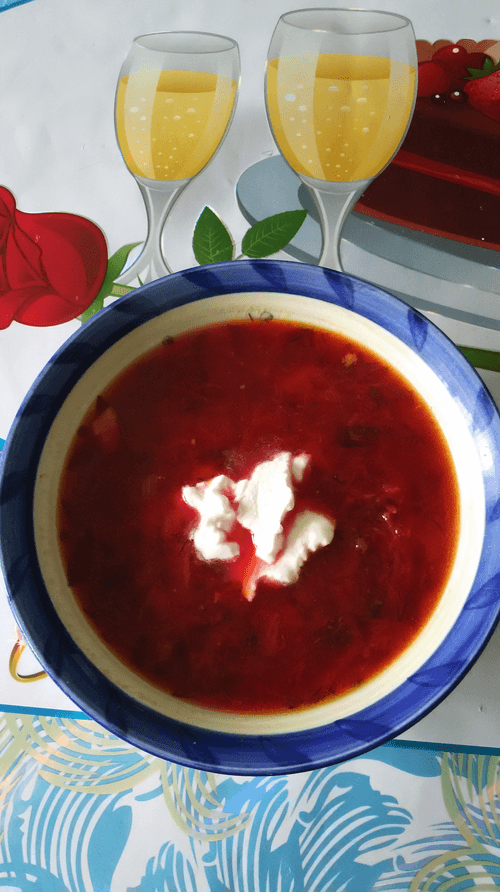
Moscow borscht with fresh cabbage is a fragrant dish of Russian cuisine that combines the richness of beef broth with the natural sweetness of beets and the freshness of cabbage. Its history goes back to traditional Slavic recipes where each ingredient plays its role in creating a harmony of flavors. The bright red color from beet juice makes the borscht not only appetizing but also aesthetically pleasing. The taste is rich with a slight acidity from tomatoes, sweetness from vegetables, and tenderness from beef. Potatoes add heartiness while greens provide freshness. It is served with sour cream for creamy softness and adjika for spiciness. This borscht warms the soul and is pleasant to eat in cold weather; after steeping, it becomes even tastier, revealing all shades of its rich flavor.
12
8
60




















