












Recipe Catalog
Recipes with all the words: 1. Next come recipes that match some of the words
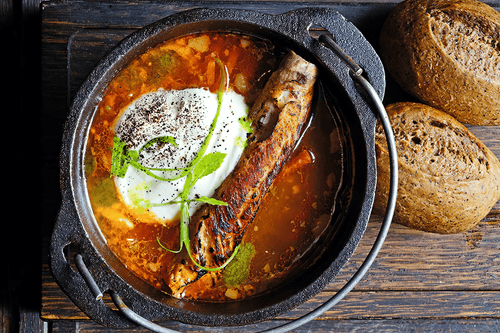
The name is, of course, associative - it's not like every restaurant in Munich serves exactly this kind of shchi. But all the attributes of good Bavarian cuisine are there: sauerkraut (which the Germans definitely know a thing or two about), pork ribs ( the broth is cooked on them), smoked meats used in the dressing. Does it remind you of anything? It's a paraphrase of the familiar solyanka, only here the meat aroma is mixed with beer: a shot of good, aromatic beer is added to the general chorus of ingredients at the end of cooking . The recipe is taken from the Onyx restaurant in Torzhok and published in the book "Geography to Taste with Nika Ganich. Gastronomic Guides.
13
4
240

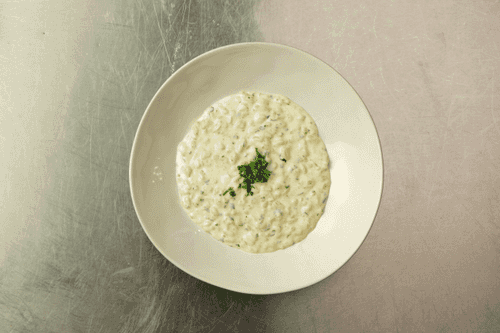
Obatzda is a traditional Bavarian cheese delicacy that originates from the cozy beer taverns of the region. Initially created as a way to use leftover cheese, it has become a beloved snack in Bavaria. Obatzda features a rich, tangy flavor with subtle creamy and spicy notes from camembert, caraway seeds, and sweet paprika. The mild sharpness of onions adds freshness while green onions finish off the taste with a gentle spiciness. It is traditionally served with crispy pretzels or fresh bread alongside a glass of Bavarian beer. Perfect for friendly gatherings, this creamy cheese mix is not just a dish but a piece of authentic German gastronomy that combines simplicity and sophistication.
8
4
10
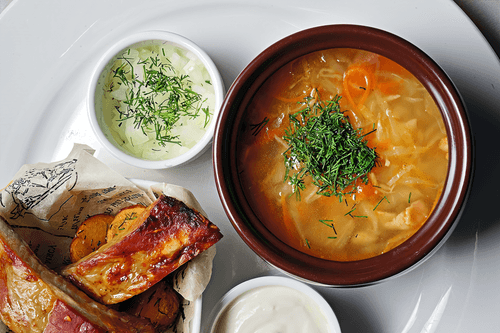
A strong, rich soup with barley groats from the Tver pub "Old Suitcase". Shchi is cooked on a pork neck, bacon is added, and the ribs are served separately. The recipe is taken from the book "Geography to Taste with Nika Ganich. Gastronomic Guides". Restaurant "Old Suitcase".
16
4
180
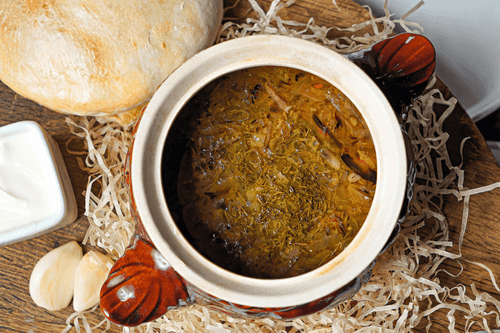
Mushrooms are the best friend of shchi. And if you don't want to put brisket in this soup and want to make it lean, chanterelles will help keep the shchi strong and filling. You can find this kind of shchi in the eco-village "Yasno Pole" in the village of Velezhe vo . Nika Ganich, author of the book "Geography to Taste with Nika Ganich. Tula", shared the recipe with us.
9
2
200
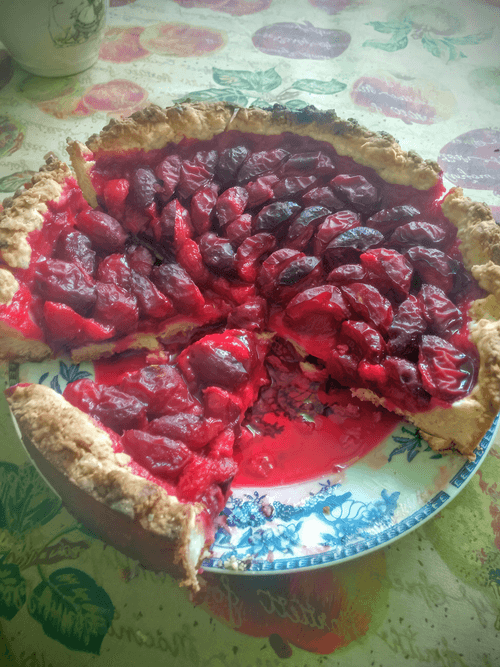
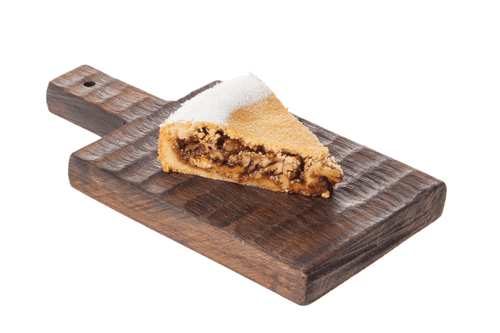
Bavarian plum pie is a cozy blend of tender dough and juicy plums baked to softness. This dessert has deep roots in German cuisine, especially in Bavaria, where it is traditionally made in the fall during plum season. The light tartness of the fruit perfectly complements the sweetness of the dough, creating a harmonious balance of flavors. Vanilla essence and lemon zest give the pie an exquisite aroma, while sour cream makes it particularly tender. This pie is perfect for cozy evenings with a cup of aromatic coffee or freshly brewed tea. It is often served warm, accompanied by a scoop of vanilla ice cream or a dollop of whipped cream. Bavarian plum pie is a true taste of traditional German baking, embodying simplicity and refined flavor that conveys a sense of homey comfort.
9
8
50
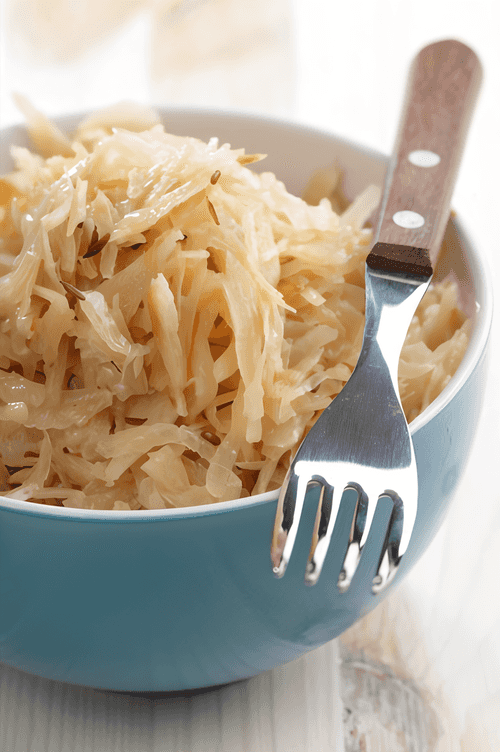
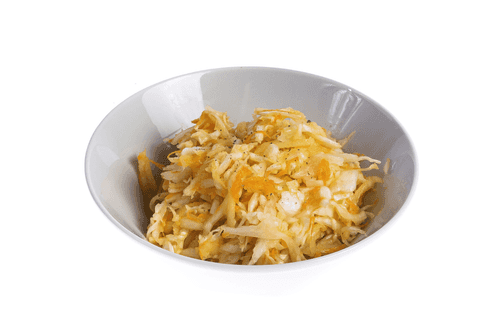
Schukrut with apples is a traditional dish with a rich history rooted in French and German cuisine. Its main ingredient is sauerkraut, which becomes soft and infused with the aromas of white wine, apples, and juniper. Apples add a slight tartness and fruity notes that complement the cabbage's tangy flavor. Through long stewing, all components unite into a harmonious ensemble, while spices provide a subtle spicy accent. The dish pairs excellently with roasted meat, sausages, or simply fresh bread. It warms and fills with coziness, making it perfect for cold evenings. In Bavaria, schukrut is often served on holidays, highlighting its status as a traditional and beloved dish.
8
4
60
Bavarian air cake with raspberry and white chocolate is an exquisite dessert inspired by German pastry traditions. Its multilayered structure combines delicate white chocolate mousse and a refreshing berry layer, creating a harmony of flavors. The crunchy butter cookie base gives it stability, while the final berry glaze adorns the cake with a subtle shine. The lightness of the cream and the tenderness of the gelatin ensure airiness, while the sweetness of white chocolate perfectly complements the tartness of raspberries. This dessert is often served at festive events and tea parties, enjoyed for its soft texture and balance of flavors. Historically, Bavarian mousses were popular among European aristocrats, and the addition of fruits made them especially beloved in modern cuisine.
8
12
180

Bavarian salad is the embodiment of German culinary art, combining simplicity and rich flavor. Its roots trace back to Bavaria, known for its hearty dishes. At its core are fragrant grilled chicken, tender Dutch cheese, and juicy tomatoes creating a harmonious blend of textures. Crispy croutons seasoned with paprika add a spicy kick. The dressing made from sour cream and mayonnaise with garlic and black pepper highlights the richness of flavor nuances. An alternative sauce with basil, nutmeg, and coriander adds a special spicy depth. This dish is perfect for a cozy family dinner or festive gathering when you want to enjoy the true taste of German cuisine. It is served fresh right after preparation to preserve the juiciness of the ingredients and their rich flavor.
10
4
25
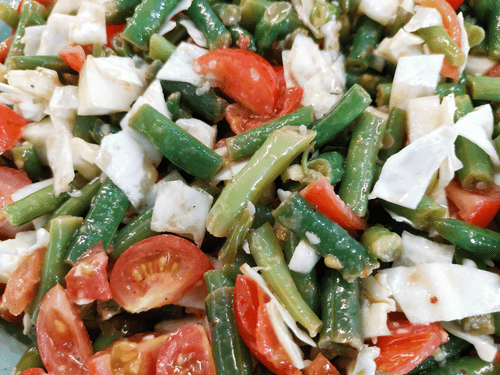
Bavarian cabbage salad with beans is an exquisite combination of fresh vegetables, tangy sauces, and aromatic spices characteristic of traditional German cuisine. Historically, Bavarian salads are known for their hearty flavor and harmonious balance of ingredients. In this dish, green beans are sautéed with sesame for a nutty note, while cherry tomatoes add juiciness. Cabbage provides a light crunch, and the dressing made from wine vinegar, mustard, and soy sauce adds a spicy touch to the salad. Chili pepper gives it a kick, making this dish a great complement to meat and fish mains as well as a satisfying standalone salad. It's a wonderful blend of freshness and rich flavors that is perfect for both everyday meals and festive tables.
9
3
15
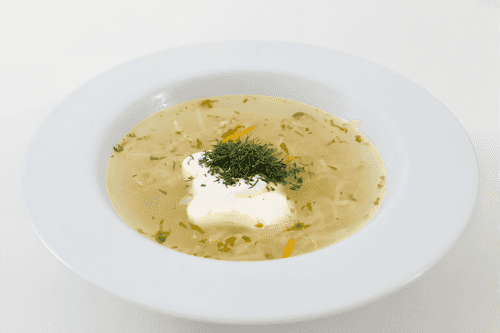
Beef brisket is responsible for the broth, and a whole arsenal of roots added to the broth is responsible for the flavor: carrots, celery, turnips, and parsnips. All of this must be fried in simmered butter, then the soup will have a fantastic aroma , as if mown grass that has been lying in the sun all day was stirred up with a rake. Overall, it's an ideal winter meal: it will warm you up, fill you up, and be an excellent snack for vodka.
19
12
180
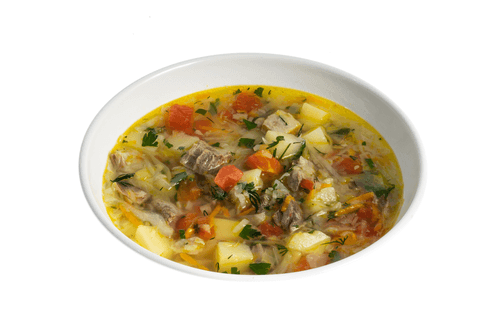
The simple taste of fresh boiled cabbage, which, unlike sauerkraut, lacks acidity and intrigue, is noticeably enriched by the broth: its recipe includes beef, onions, fresh tomatoes and three hours of cooking over low heat . Otherwise, this is an everyday, non-committal soup. We strongly recommend preparing fresh cabbage shchi at least a couple of hours before serving and letting it steep, wrapping the pan in a blanket: the interpenetration of flavors will make the soup even richer, and will also add softness to the cabbage, and it will not crunch on the teeth, which is not welcome in classic shchi.
14
6
240
Volkonskie shchi is an ancient dish of Russian cuisine rooted in the traditions of princely feasts. Their rich flavor combines with the noble aroma of duck and goose, highlighted by stewed sauerkraut, white mushrooms, and spices. Frozen cabbage gives the shchi a special tenderness, while the addition of pickled Antonovka apples and prunes creates a refined blend of sweet-sourness with a rich meaty base. Honey-thyme marinade makes the meat tender and aromatic, while the long stewing process reveals layers of flavors. These shchi are served without sour cream and traditionally accompanied by a chicken pie (kurnik), creating a harmonious duet of gastronomic delight. The dish requires time and patience but results in thick, rich shchi with a vibrant historical character that warms the soul and offers the taste of true Russian feasting.
18
15
300
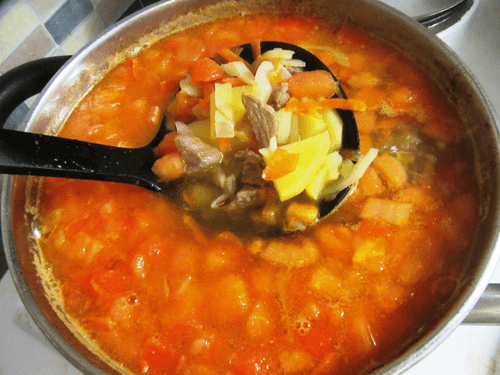
An economical but colorful recipe - shchi is cooked in broth from a chicken soup set, which costs pennies. And if you happen to have a couple of chicken spines frozen in the refrigerator, left over from cutlets, for example, then you can make do with them. Chicken has not really taken root in the preparation of shchi, but it is worth taking a closer look at it: it gives a rich and transparent broth without unnecessary heaviness, which also reduces the degree of cabbage and tomato acidity. The sweet pepper dressing is far from classic and directly refers to something Balkan, but the main principle of Russian shchi - the balance of sour and sweet tastes - is observed in this shchi.
8
10
90
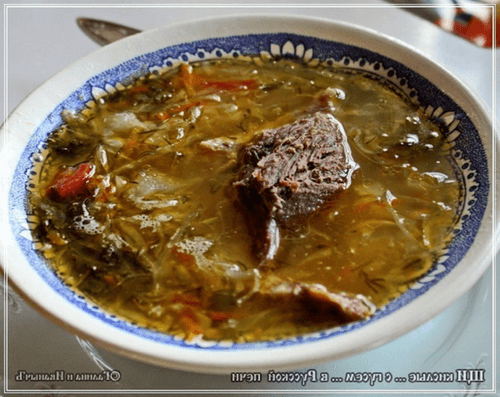
Shchi is the heart of Russian cuisine, a warming soup that fills the home with coziness and aromas of tradition. This recipe transports us to ancient Russian izbas where every housewife knew how to cook shchi with love. Its rich flavor unfolds through the slow stewing of cabbage, aromatic meat broth, and gentle frying of onions and carrots. Sauerkraut adds a slight tanginess while the added spices deepen and enrich the taste. Shchi is served hot with thick sour cream, fresh herbs, and garlic, creating a perfect blend of simplicity and sophistication. This dish is nourishing, warms in cold weather, and preserves the coziness of Russian tradition by uniting generations at the family table.
13
6
180
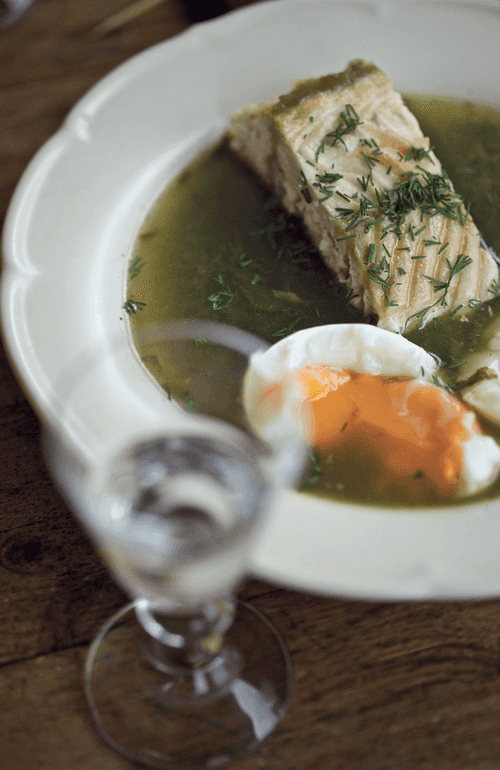
The name of the shchi is due to the Tambov landowner Rakhmanov, who was a great gourmet, taught serfs the art of cooking from French books and, they say, "ate up" the two-million family capital. Looking at the recipe for Rakhmanov's shchi, where the main ingredient is sturgeon, it is easy to believe. Rakhmanov's name is listed in the names of several more extravagant dishes, for example, buckwheat porridge boiled in the juice of fried hazel grouse. We took the recipe and history from the monumental work of Vlad Piskunov "Russian Cuisine. The Best of 500 Years.
9
6
180