





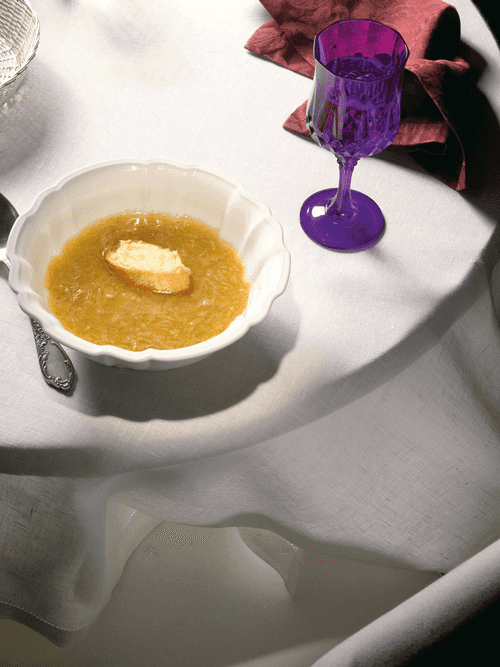
Pickled apples with cherry leaves
10 servings
30 minutes
Pickled apples are a bright Russian specialty, an indispensable attribute of historical meals: open Pushkin, Gogol, or Dostoevsky, you will definitely find a mention of pickled apples. Recipe by the founder of the "Kremlin Kitchen" project and expert on Russian cuisine Oleg Olkhov.
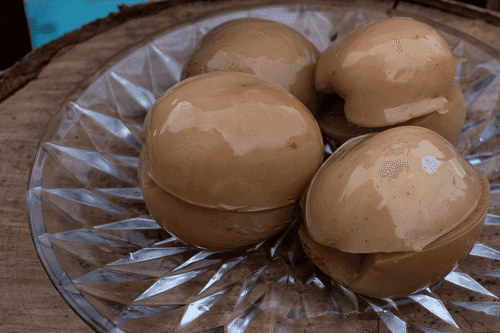
1
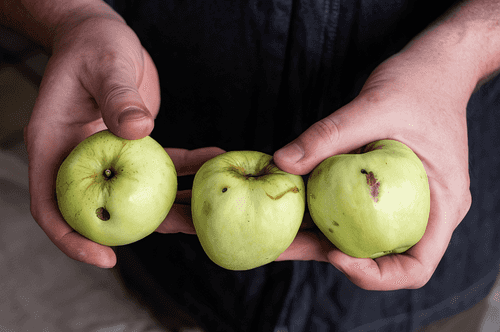
Only harvested apples should be used; during falling, apples get damaged. They develop bruises and may start to rot, which can spoil the entire batch. Apples with wormholes and other damages should not be taken either. The fewer damages, the better the apples are for pickling. Apples like those in the picture should not be taken. Wash the apples and leave them in a cool place on cheesecloth or a towel for 2-3 days. Do not stack them tightly to prevent rotting.
- Apple: 2 kg
2
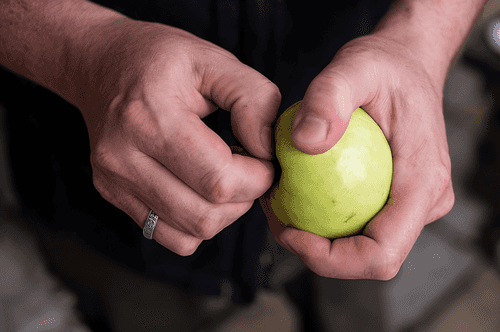
Remove the stems and what remains of the flowers from the apples.
3
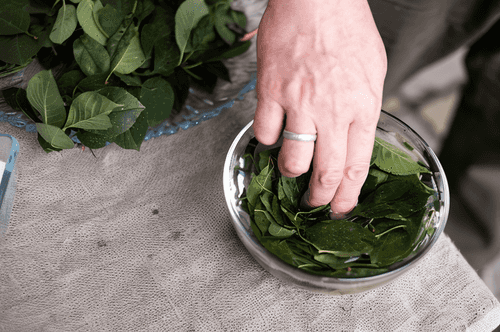
Previously, the bottoms of barrels were lined with straw, which was also placed over apples. Along with straw, currant or cherry leaves were used. When using a jar, straw is not necessary; leaves are sufficient. They should be rinsed in cold water. Leaves can be used fresh or dried.
- Cherry leaves: to taste
4
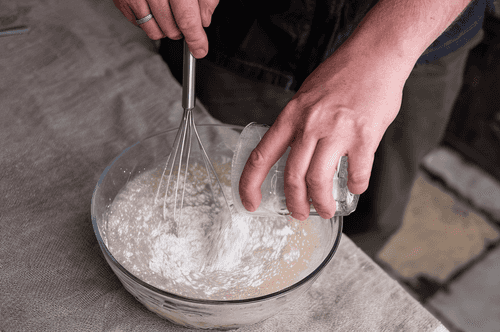
Take warm boiled water, rye flour, mustard powder, and coarse salt. Mix all of this in a bowl with a whisk. Clumps are acceptable; they will dissolve over time.
- Water: 5 l
- Rye flour: 1 glass
- Mustard powder: 1 teaspoon
- Coarse salt: 2 tablespoons
5
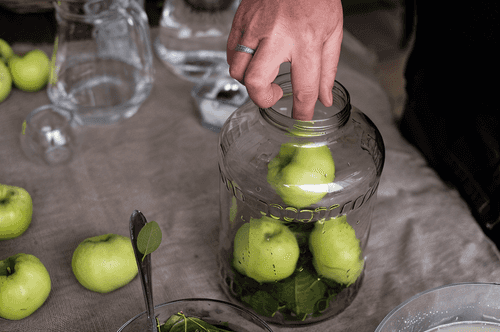
Layer apples and cherry leaves in a 3-liter jar: leaf layer - apple layer - leaf layer - apple layer, and so on.
- Apple: 2 kg
- Cherry leaves: to taste
6
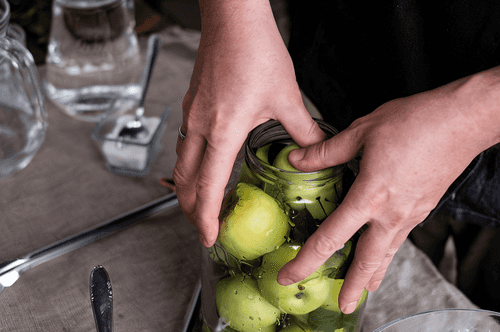
Pack the apples tightly at the top of the jar.
7
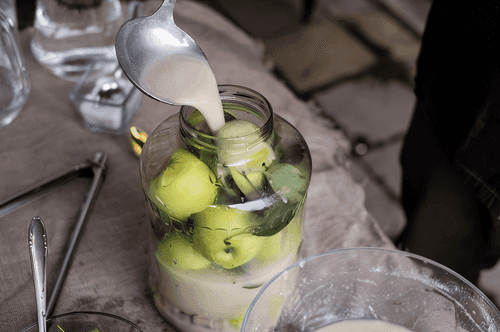
Pour the apples so that the coating covers them completely. Store the remaining coating in the fridge, it may still be needed.
- Water: 5 l
8
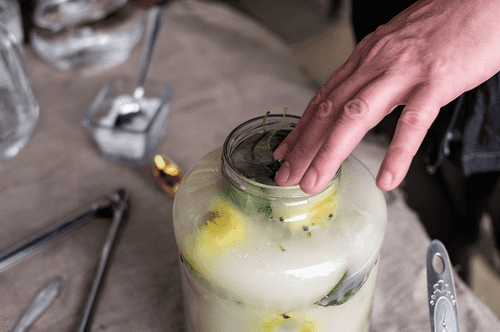
Cover the apples with leaves so that they are completely submerged in water.
9
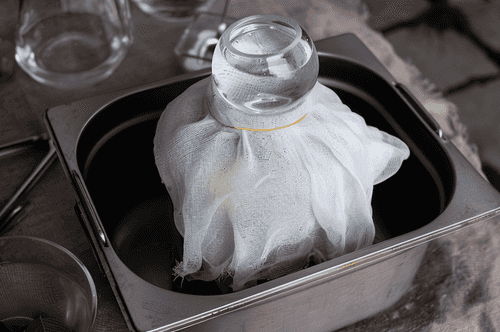
Cover the jar with clean cheesecloth and place a light weight on top; it shouldn't be too heavy. The purpose is not to compress the contents (which is important for sauerkraut, for example). The weight is needed to keep the apples submerged in water at all times. If the leaves on top start to mold, remove them and add new ones. There's no point in sealing the jar because fermentation begins inside. Some of the liquid will be absorbed by the apples while some will foam and overflow from the top. That's why you need to place the jar in another container. If a lot of liquid spills out, add more brine (so prepare extra). Keep adding until the apples stop absorbing liquid and it stops overflowing. At this point, you can remove the tray. The process of adding may take several weeks. If the brine runs out, prepare a new batch and pour it in.
- Cherry leaves: to taste
- Water: 5 l
10
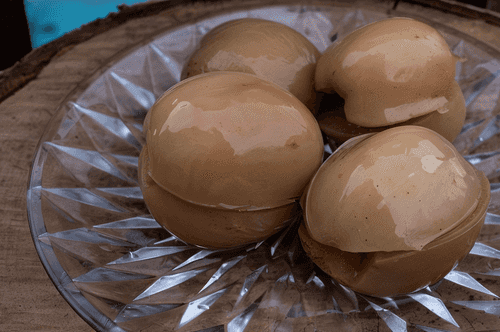
After the apples are soaked, they need to be kept warm for 2 days (if the room temperature is about 20 degrees). If it's very hot — around 30 degrees, one day will be enough. If it's cold — in a room of 17–18 degrees, they need to be kept for 3 days. After that, the container with apples should be placed in the refrigerator or in a cellar on ice if possible — directly in the tray, and when the liquid stops overflowing from the jar, the tray can be removed. After a month, the apples can be taken out and eaten.