




Sourdough for bread
4 servings
60 minutes
Sourdough for bread is the living essence of any true homemade bread. Its roots go back to ancient times when bakers tamed wild fermentation to create fragrant and airy dough. Russian cuisine is renowned for its bread-making traditions, and sourdough plays a key role here. It has a rich tangy flavor that gives baked goods a distinctive hue and depth. This natural leaven not only improves the texture of the bread but also makes it healthy due to beneficial bacteria. Sourdough can be stored and reused, maintaining its strength and vitality. Such bread is not just food but a part of a culture that values patience, craftsmanship, and respect for the process.

1
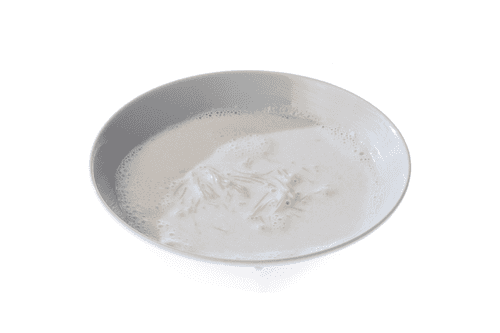
Day 1 — mix 100 g of flour and 100 g of water well — it should form a paste-like mass, like thick market sour cream. Cover with a damp cloth and place in a very warm, draft-free spot. The starter should ferment for about a day. Until small, albeit rare, bubbles appear. It makes sense to stir it occasionally. I just covered it with a dry kitchen towel. I placed it in the kitchen, on the shelf near the stove. At first, the flour will settle under the water, but that's not a problem, just stir it 3-4 times a day. I didn't see any special bubbles after the first day))), but that didn't stop me! The experiment continues!!!
- Wheat flour: 300 g
- Water: 300 ml
2
Day 2 — now it's time to feed the starter. For this, add another 100 g of flour and pour in water to return its consistency to that of market sour cream. Cover with a towel and leave it in a warm place for another day. After the second day, sparse bubbles appeared — this made me happy. I stirred it about 4 times a day.
- Wheat flour: 300 g
- Water: 300 ml
3
Day 3 — usually, there are no more questions, the starter not only has bubbles on the surface, it grows in size and is covered with a foamy cap. We feed it for the last time. And again — to the warmth. Here, a very important moment, the starter is already strong enough, and we need to catch the moment when it is at its 'peak form', i.e., it should double in size. At this moment, it is at its maximum strength. We divide it in half. The first half is our eternal starter. We put it in a jar with a plastic lid with holes (to breathe) and place it in the fridge until next time. Then we take it out, feed it, leave it in the warmth — and it’s ready for action again!
- Wheat flour: 300 g