












Recipe Catalog
Recipes with all the words: 1. Next come recipes that match some of the words
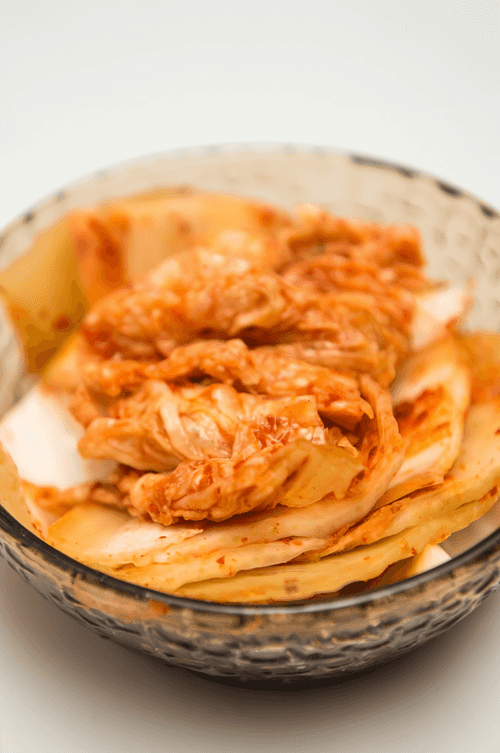
Kimchi is the heart of Korean cuisine, a legendary dish with a millennia-old history. It originated as a way to preserve vegetables for long winters and has become a symbol of Korean hospitality over time. Spicy, flavorful, and crunchy, kimchi excites taste buds with its piquant heat and rich aroma of fermentation. Cabbage soaked in salt and spicy paste with hints of garlic, ginger, and fish sauce creates the perfect balance of flavors. Kimchi not only pairs excellently with rice and meat dishes but also serves as a base for many Korean soups and snacks. Besides its vibrant taste, it is rich in probiotics that strengthen gut health. This culinary masterpiece requires patience in preparation, but the wait is worth it: after fermentation, it reveals its depth and complexity.
13
12
120

Spicy soup made from napa cabbage, known as Kimchi jjigae, is a vibrant dish with rich flavors from Korean cuisine. Although listed as part of Chinese cuisine, its roots trace back to the traditions of Korean family feasts where kimchi serves as the base for many dishes. This soup has a spicy and slightly fermented taste due to the napa cabbage turned into kimchi. The heat of chili paste harmonizes with the tenderness of tofu, while soy and fish sauce add depth of flavor. Kimchi jjigae is a warming, spicy dish perfect for cool days. It is served hot and traditionally accompanied by rice, creating a wonderful balance of textures and aromas. This soup not only satisfies but also provides culinary pleasure, awakening the appetite with each sip.
8
6
60

Traditional Korean cabbage kimchi is not just a dish but a symbol of Korean cuisine that carries centuries of history. The art of fermentation has allowed vegetables to be preserved for long winter months, turning them into a flavorful delight. Kimchi has a bright, spicy taste that awakens the appetite and pairs wonderfully with rice, meat, and even soups. Its spiciness and complexity come from the combination of garlic, ginger, fish sauce, and shrimp paste. Fermentation gives it a slight tang and rich depth. This Korean delicacy is not only delicious but also healthy—rich in probiotics and vitamins. Kimchi can be consumed right after preparation or left for several months to enhance its flavor. This dish is the soul of Korean cuisine that awakens the senses and warms the heart.
13
4
60

Spicy Korean cabbage is a tangy and aromatic dish soaked in a rich marinade that combines the heat of chili pepper, the spice of cloves, and the gentle sweetness of sugar. This recipe reflects the traditions of Korean cuisine where fermented and pickled vegetables play a key role. The flavor of the cabbage is rich and balanced with a pleasant spicy note that harmonizes well with other dishes. It can be served as a side to meat, used in salads, or simply enjoyed on its own. Thanks to the pickling process, the cabbage gains a crunchy texture and depth of flavor while garlic and carrots add freshness. It's not just an appetizer—it's a vibrant addition to any table that awakens appetite and enhances the taste of food.
11
8
20

This recipe is a true celebration of flavors. Honey-glazed chicken infused with the aromas of soy sauce, ginger, and chili achieves a delightful caramelized crust and a spicy note. The salad combining lettuce, romaine, napa cabbage, and kimchi offers freshness and heat, creating a harmonious balance with the rich chicken. This dish is a bold fusion of American culinary tradition with Asian motifs, perfect for both festive dinners and everyday enjoyment. The lightness of the salad and the depth of flavor in the chicken make it a versatile choice for gourmets who appreciate rich and complex flavor combinations.
17
6
20
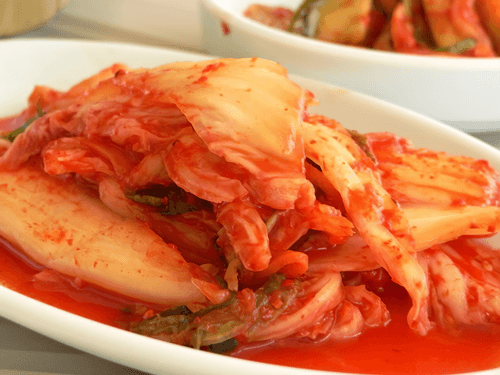
Kimchi is a symbol of Korean cuisine, a dish that combines spiciness, heat, and the rich flavor of fermented vegetables. Its history spans over a thousand years when Koreans began fermenting vegetables for long-term storage. Napa cabbage, carrots, and aromatic spices soaked in a vibrant sauce with garlic, ginger, and red pepper create a unique blend. Kimchi has a rich spicy flavor with a slight tang and characteristic crunchiness. It is not just a side dish – it complements meals, improves digestion, and fills the body with beneficial bacteria. South Koreans serve kimchi with rice, meat, and soups, and its culinary uses are endlessly diverse. The preparation process requires patience but rewards you with an unmatched taste that only gets better with each passing day.
11
10
240

When you think of pear, the first thing that comes to mind is some kind of dessert. This recipe for a sweet and spicy snack will appeal to those who love original solutions, are happy to try something new and are not afraid to experiment with flavors.
11
2
30

Korean-style meat is a passionate combination of deep flavor and spiciness that reflects Korean culinary culture. Marinated in a mixture of soy sauce, pear juice, and sesame oil, it acquires a rich aroma that unfolds when fried in a hot pan or over an open flame. Red pepper adds fiery spiciness but a milder version can also be made. The dish has roots in the tradition of Korean barbecue – galbi and bulgogi, where the meat is carefully marinated and then quickly grilled to remain juicy inside. It pairs perfectly with lettuce leaves, creating a harmony of freshness and richness. Such meat is not just food but an opportunity to immerse oneself in the richness of Korean flavors.
10
4
140
Meat salad with cabbage and Korean carrots is a vibrant combination of fresh and spicy ingredients that creates a unique taste. Crunchy white cabbage adds lightness, juiciness, and freshness to the dish, while Korean carrots add a hint of spiciness and Eastern spices. Tender boiled chicken meat harmonizes with nut crumbs, giving the salad a rich, deep flavor. Eggs make the texture softer, while onion adds a slight piquancy. Dressed with mayonnaise, this salad becomes incredibly tender and balanced. It is a versatile dish that is perfect for both everyday dinners and festive gatherings, surprising guests with its interesting taste and appetizing appearance.
7
4
60
Kimchi made from napa cabbage is an iconic dish of Korean cuisine filled with vibrant flavors and deep history. Its roots go back to ancient times when fermentation helped preserve vegetables for winter. Today, kimchi is not just a side dish but a symbol of Korean culture. Its taste is a harmony of spiciness, sweetness, and tanginess thanks to ginger, garlic, and pear. The fermentation process makes the cabbage rich and crunchy while its aroma intensifies over time. Kimchi pairs perfectly with rice, meat dishes, and soups adding umami and depth to them. The longer it is stored, the richer the flavor becomes and the tradition of its consumption is passed down through generations. It is not just food; it is a living heritage of the Korean people embodying their hospitality and passion for rich flavors.
7
4
30

I tried to buy Chinese cabbage for this kimchi (this is a traditional Korean recipe), but it was all of poor quality. So I made quick kimchi from regular white cabbage. If you start from the fact that kimchi is a type of dish, then it doesn’t matter what kind of cabbage you put in it. I’ve made kimchi from both Brussels sprouts and cauliflower. The special thing about cabbage kimchi is that you need to cook rice flour porridge with it. It won’t affect the taste, but it will allow this aromatic spice mixture to stick to the cabbage properly. Otherwise, everything can drip to the bottom of the dish, and the point is for the mixture to coat the product.
10
10
30

Beijing cabbage kimchi is a traditional Korean dish filled with fiery temperament and rich history. Korean cuisine is renowned for its art of fermentation, and kimchi is its hallmark. This version uses Beijing cabbage, which after salting absorbs a fragrant sauce made from rice flour, spices, and vegetables. The spiciness of chili and paprika combines with the tender texture of cabbage leaves to create a harmony of flavors—from spicy to slightly sweet. Kimchi not only awakens the appetite but also enriches dishes with complex umami notes. It pairs perfectly with rice, soups, meat dishes, and appetizers. Over time, the flavor deepens and the texture becomes more interesting. It is not just food but a cultural heritage of Korea filled with history and passion for rich flavors.
12
4
40
Spicy Korean noodles are a vibrant and fiery dish that embodies the depth of flavors in Korean cuisine. Its roots trace back to the traditions of Korean gastronomy where spiciness is balanced with sweetness and acidity. In this recipe, soft udon noodles are soaked in a rich marinade combining chili paste, apple cider vinegar, sugar, cherry syrup, and soy sauce. This sauce gives the dish a complex aroma where sweet and tangy-spicy notes create an exciting flavor contrast. The finishing touch is a crunchy fresh cucumber that adds lightness and refreshes the taste. This dish is perfect for spice lovers; it is served chilled, making it especially refreshing on hot days. Enjoy it as a standalone treat or as an addition to a main Korean feast.
7
4
15
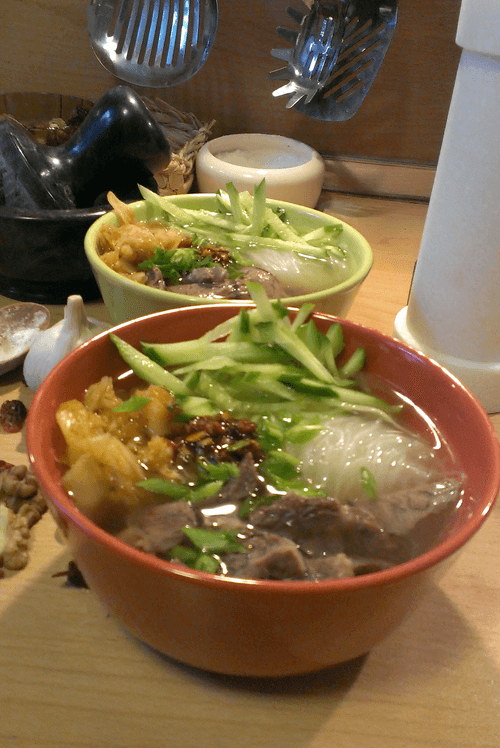
Spicy kuksi soup with kimchi is a vibrant blend of Thai flavors with Korean notes. Its roots trace back to the rich tradition of East Asian soups, where spiciness meets the depth of broth. The beef shank-based broth gives the soup richness, while rice noodles add lightness. Kimchi provides spicy heat and fermented nuances, while fresh cucumbers and green onions refresh the taste. The sauce with chili paste and sesame makes the soup rich and aromatic. This dish warms on cold days and invigorates in heat, offering a balance of spicy, salty, and fresh flavors. Perfect for lovers of Eastern tastes and those who appreciate gastronomic experiments.
9
8
90

Marinated cabbage is a classic Russian appetizer with a bright, refreshing taste. The combination of crunchy cabbage, sweet carrots, spicy garlic, and hot pepper creates a rich palette of flavors. This recipe is rooted in the traditions of Russian cuisine where pickling and marinating served not only as a means of preservation but also as a way to enhance the flavor of vegetables. The marinade, rich in salt, sugar, and vinegar gives the cabbage a special sweet-sour note making it an ideal snack for meat dishes, potatoes or even as a standalone treat. After two days under weight, the cabbage fills with the aromas of spices gaining a deep rich flavor. This recipe is a simple yet elegant way to add brightness to any feast.
9
4
30