













Recipe Catalog
No recipes contain all the words, showing recipes that match some of them
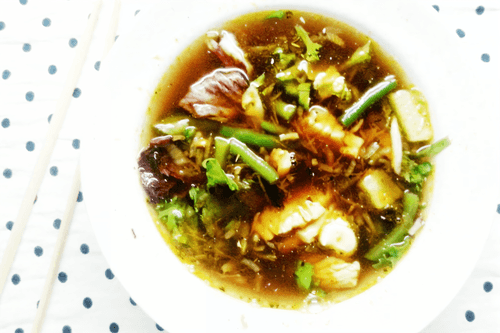
Japanese soup with salmon and greens is a harmony of flavors and traditions. It is based on tender lightly salted salmon, aromatic nori seaweed, and a rich broth enriched with spices and fresh vegetables. A light hint of ginger adds zest to the dish, while miso paste deepens its flavor. This soup reflects the philosophy of Japanese cuisine — a balance of taste, health benefits, and aesthetics. It warms, nourishes, and surprises with its subtle nuances. Such a soup is ideal as a light yet nutritious dish; it can be served as part of a traditional dinner or enjoyed in solitude while immersing oneself in the atmosphere of Japanese culinary traditions.
13
4
25

The recipe is taken from the book "Fish and seafood of Russia". All you need from the fish is the head.
8
6
100

Japanese-style salmon is an exquisite dish inspired by traditional Japanese cuisine, combining the freshness of seafood and a delicate balance of flavors. The lightly salted and tender salmon becomes the focal point of this recipe. It harmoniously blends the softness of rice, the creamy texture of avocado, and the crunchy notes of fresh cucumber. The dish embodies the concept of Japanese gastronomy—minimalism and attention to detail. Historically, fish rolls originated from ancient Japan where fish preservation methods in rice were used and eventually evolved into popular sushi and rolls. Japanese-style salmon is perfect for a light dinner or festive table, especially accompanied by soy sauce that adds depth to the flavor. This elegant, refreshing yet rich dish will delight lovers of Japanese delicacies.
5
4
25

Pancakes with herbs, salmon, and a horseradish and kefir sauce are a refined dish of Russian cuisine that combines the tenderness of the dough with the spiciness of aromatic herbs. Historically, pancakes held an important place in Slavic gastronomy, serving as a universal treat for both everyday and festive tables. This version is enriched with fresh herbs that add freshness and richness to the flavor. Lightly salted salmon adds a noble salty note, while the kefir-based sauce with horseradish and dill gives the dish a slight spiciness and harmonious creamy texture. They can be served for breakfast or dinner – an ideal combination of simplicity and sophistication. They pair excellently with light salads, complementing the meal with freshness and variety of flavors.
12
2
30
Tondziru is a soulful and warming Japanese soup traditionally made in cold months. Its roots trace back to rural Japan where pork and vegetables combine into a nourishing dish filled with deep flavors. Fresh vegetables like daikon, carrots, and potatoes add richness to the soup while tender pork complements its softness. The miso paste base with dashi broth creates a rich umami flavor highlighted by notes of sake and soy sauce. This soup is not only nutritious but also versatile—it can be served as a standalone dish or alongside rice. A garnish of green onions and a pinch of red pepper adds freshness and a hint of spiciness. The perfect blend of flavors makes Tondziru a beloved Japanese comfort food that warms the soul any time of year.
12
5
15
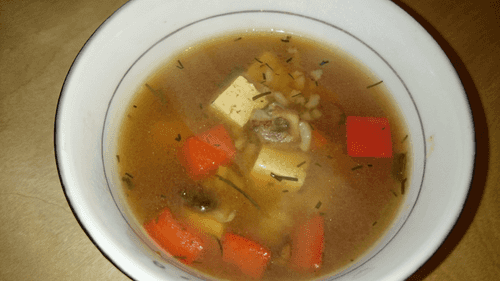
Spicy Japanese soup with tofu is a harmony of rich flavors and aromas of Eastern cuisine. Its roots go back to the traditions of Japanese culinary art, where simplicity of ingredients combines with depth of flavor. Tender tofu, spicy mushrooms, and sweet peppers create a balance of textures, while soy sauce and pepper mix add heat and richness. This soup warms and invigorates, perfect for cool evenings or moments when craving something exotic. Round-grain rice adds heartiness, while fresh herbs provide aromatic completion. Served hot, it allows one to enjoy its rich taste. This dish is not only nutritious but also aesthetically pleasing since in Japanese cuisine both gastronomy and the art of presentation are important. Each spoonful is a journey to the heart of Asia.
7
2
30
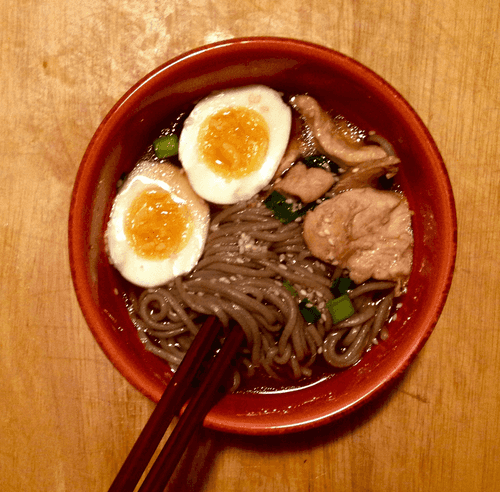
Simple Japanese soup with buckwheat noodles is a refined blend of traditional ingredients that conveys the spirit of Japanese cuisine. Buckwheat noodles, known as soba, have a rich nutty flavor and pair wonderfully with aromatic chicken broth. The dish's origins trace back to ancient Japan, where soba noodles were popular among samurai for their nourishment. Tender chicken fillet soaked in soy sauce and spices adds depth to the soup's flavor, while boiled egg and fresh herbs create a harmonious texture combination. The mild heat of red chili pepper and crunchy sesame seeds add zest, making each spoonful rich and warming. This soup is not only nutritious but also comforting—an ideal choice for a cool evening or light lunch that embodies a balance of taste and health.
10
1
60
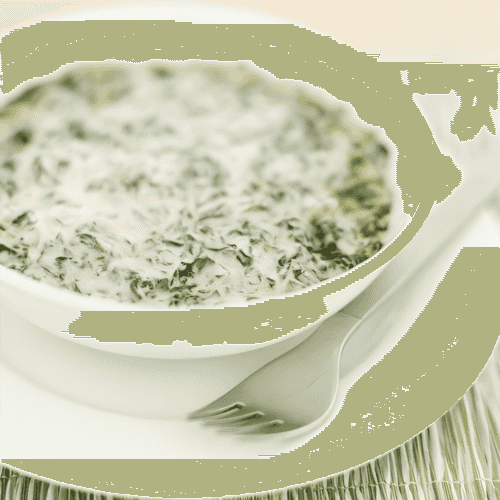
Summer cold soup made of greens and kefir is a refreshing dish from Ukrainian cuisine, perfect for hot summer days. Its roots go back to the traditions of consuming simple, nutritious, and healthy foods. This soup combines lightness and richness of flavor: aromatic dill, cilantro, parsley, and spinach give it freshness, while kefir and tan (ayran) add a slight tanginess and creaminess. With cooling and the addition of ice cubes, the soup becomes an ideal way to quench thirst and satisfy hunger at the same time. It is often served as an appetizer or light lunch. The soup pairs well with rye bread or boiled potatoes. Its simplicity in preparation makes it indispensable in summer diets, while its rich flavor and health benefits make it a favorite dish for many.
6
4
10
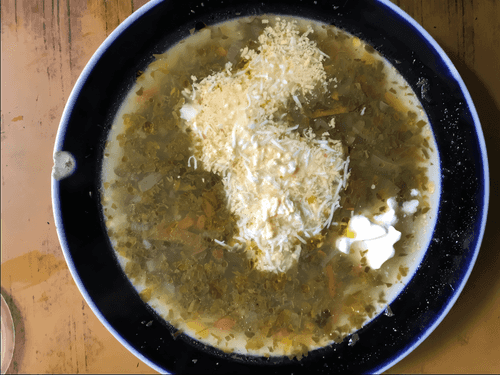
Shchi made from sorrel and greens is a traditional Russian dish known for its refreshing sourness and rich aroma of greens. Sorrel adds a piquant flavor to the soup, while tender carrots and onions contribute sweet notes. Historically, shchi was a staple everyday dish in Russia, with variations using seasonal ingredients allowing for dietary diversity. This version is prepared in spring and summer when fresh greens are particularly fragrant. Shchi is served with grated egg and sour cream, making it even more flavorful. With a balanced combination of tastes and lightness, they are perfect as a light summer lunch or dinner. This simple yet soulful dish conveys the warmth and coziness of home cooking.
10
4
30
Japanese-style salmon is a refined dish that combines traditional Japanese flavors with the European tenderness of fish. Soy sauce and sake create a sophisticated marinade base that highlights the natural sweetness of salmon, while ginger adds spiciness and freshness. Light caramelization in hot oil gives the fish an appetizing crispy crust, making it perfect for serving with rice or vegetables. This dish reflects the Japanese philosophy of umami – a harmony of flavors that unfolds with each bite. A special touch is the ginger decoration in the form of hieroglyphs, giving the presentation an exquisite aesthetic reminiscent of the deep culture of the land of the rising sun.
5
2
15
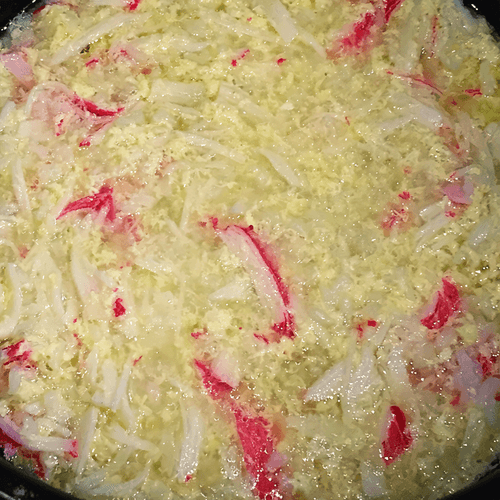
Dzosui is a traditional Japanese soup known for its soft, warming texture and rich flavor. This soup originated as a way to use leftover rice, transforming into a light yet nutritious dish. Made with chicken broth, it absorbs its rich taste, while crab meat adds a refined ocean sweetness. Beaten eggs make the texture tender and silky, and soy sauce and green onions highlight the Japanese character of the dish. Dzosui is perfect for cold evenings and is often consumed as a restorative meal after illness. Its simplicity in preparation and harmony of flavors make it a beloved home soup in Japan.
7
6
30
Salad with salmon, beetroot, and celery with herbs combines delicate sea flavor and vegetable freshness. Salmon adds nutrition to the dish, beetroot provides a light sweetness, and celery adds a subtle crunchy texture. The parsley and dill enhance the freshness, while mayonnaise makes the salad juicy and rich. Inspired by Russian cuisine, this dish can be a wonderful addition to a festive table or a light dinner. Rich in nutrients, it delights not only in taste but also benefits the body. The salad harmoniously unites different textures and flavor shades, creating an ideal balance between richness and freshness.
11
4
60

Japanese potato soup differs from Russian mashed potatoes in two ways. Texture: the soup is still a little more liquid and delicate than mashed potatoes. And taste: the Japanese version includes soy sauce.
9
4
30
Japanese duck soup is a harmony of flavors born from the depths of traditional Japanese cuisine. The rich umami broth infused with the aromas of seaweed, bonito tuna, and soy sauce forms the base of this dish. Tenderly boiled and thinly sliced duck breast adds richness and softness to the soup. Rice noodles provide texture, while fresh spinach and green onions enliven the flavor. Boiled eggs and tofu cubes make the dish even more nutritious. This soup is not only a gastronomic delight but also a cultural heritage that embodies the philosophy of Japanese cuisine: balance, simplicity, and depth of flavor.
12
4
40
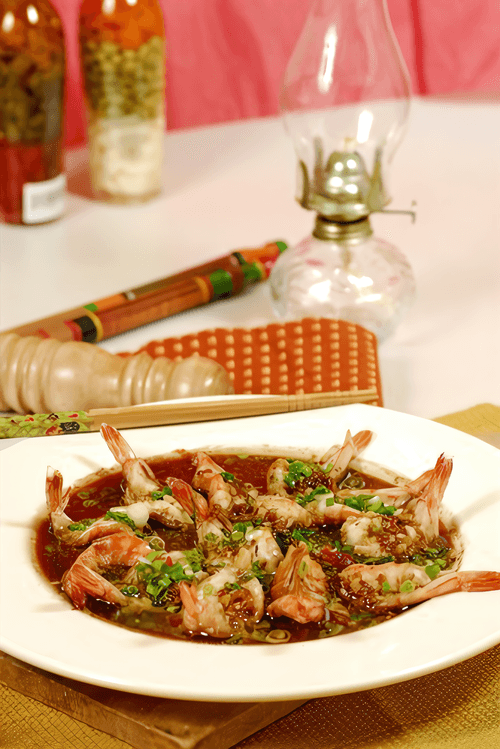
Japanese shrimp soup is an exquisite dish embodying the sophistication of Japanese cuisine. Its base consists of delicate shrimp balls made with egg white, sake, and corn flour that provide an incredibly soft texture. An omelet cut into thin strips adds lightness, while the aromatic broth made from seaweed and bonito tuna flakes reveals depth of flavor. Soy sauce and sake complement the composition with light yet rich tones, creating a harmony of taste. This soup not only warms but also delights gourmets with its rich marine aroma and soft umami notes. Traditionally served as part of an exquisite dinner, it highlights the natural beauty of ingredients and the philosophy of Japanese cooking where simplicity meets impeccable balance.
10
4
30