







Recipe Catalog
No recipes contain all the words, showing recipes that match some of them
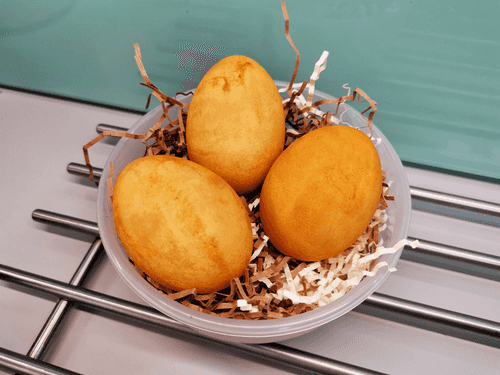
Easter eggs dyed with turmeric are a traditional way of preparing festive symbols that combines simplicity and naturalness. The yellow hue provided by turmeric symbolizes light, joy, and warmth. This dyeing method became popular in Russian cuisine due to the availability of natural colorants. The taste of the eggs remains familiar but acquires a slight spicy note. They beautifully complement the Easter table, decorating it with natural sunny tones. They are easy to prepare: eggs are boiled with turmeric and then steeped for a rich color. This method avoids chemical dyes and gives the eggs a unique authenticity.
2
1
60
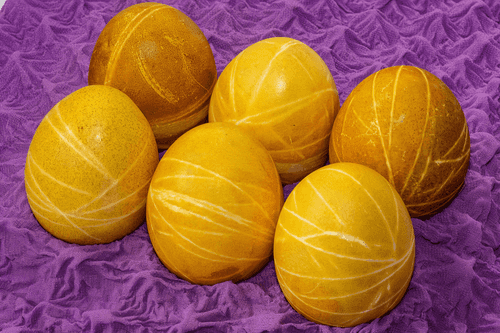
Turmeric-dyed eggs are an ancient Russian Easter tradition that adds a bright golden hue to festive treats. Turmeric, known for its healing properties and rich aroma, creates a natural warm color symbolizing the sun and rebirth. This light spice not only decorates the eggs but also imparts a subtle Eastern fragrance. The special dyeing method using threads makes the pattern unpredictable and unique, giving each egg individuality. The preparation process is simple but requires patience: the longer the egg stays in the broth, the richer the color becomes. Such decoration fits perfectly on the Easter table, complementing kulich and other festive dishes. Eggs rubbed with oil gain shine and look festive, while their natural coloring makes them especially appealing to fans of traditional decorating methods.
4
10
40
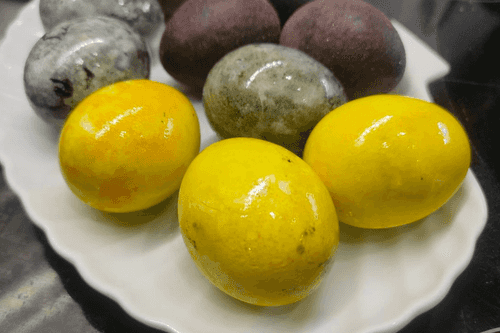
Turmeric-dyed eggs are an ancient way to give a festive look to an ordinary product. This method was widely used in Russian cuisine for Easter and other celebrations. Thanks to the natural dye – turmeric, the eggs acquire a rich golden-yellow hue symbolizing the sun, warmth, and abundance. The taste of the egg remains traditional, but turmeric adds a slight spicy note. They can be served as a standalone snack or used in salads and other dishes. The simplicity of the method makes it accessible to everyone, while the naturalness of the ingredients ensures safety for health. Such table decoration delights not only with taste but also with aesthetics, giving the meal a special charm.
4
3
360
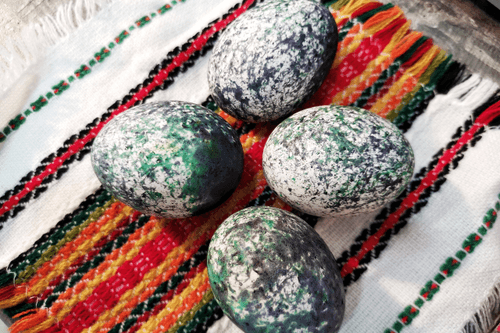
Easter eggs dyed with rice are a wonderful way to add festive color to a traditional dish. This dyeing method comes from Russian cuisine, where Easter is celebrated with special warmth and joy. After boiling, the eggs are covered with rice dyed with food coloring, creating unique patterns and textures like marble. Their taste remains classic, soft, and tender, but the aesthetics turn them into a true decoration for the festive table. Such eggs not only please the eye but also become the center of attention at family gatherings. They can be served as a standalone dish, added to Easter baskets, or used to decorate festive dishes. The simplicity of preparation and the unique result make this recipe a favorite among many hostesses looking to impress guests with unusual presentation.
3
2
30
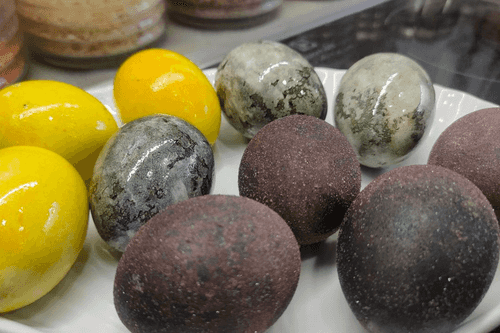
Eggs dyed in red wine are an unusual and sophisticated way to give a traditional product new life. This dyeing method has roots in ancient Russian traditions where natural ingredients were used to create rich shades. The wine gives the eggs a deep burgundy color, while a light sweet aroma complements their taste with subtle wine notes. This dish is often used to decorate festive tables, especially during Easter, symbolizing sophistication and originality. To achieve a rich color, the eggs are boiled in red wine with added sugar and then left in the liquid to allow the dye to absorb. They require no additional oils or processing, maintaining their natural matte finish. Eggs prepared this way will not only be delicious but also an elegant decoration for any feast.
3
4
360
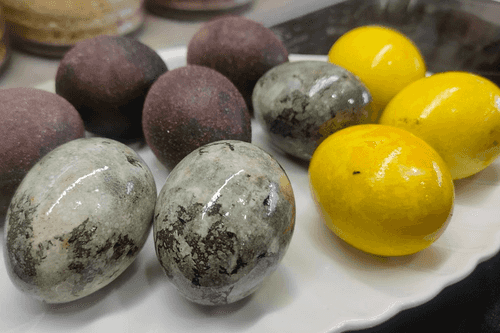
Hibiscus-dyed eggs are an original dish where traditional boiled eggs acquire an unusual hue thanks to the infusion of hibiscus petals. This dyeing method, inspired by ancient natural decorating techniques, allows for deep burgundy and purple shades, giving the dish a festive appearance. The taste of the eggs remains classic but is slightly enhanced by the light tartness of hibiscus. They can be used as decorations for the Easter table or as an original element in appetizers. Eggs dyed this way are not only beautiful but also eco-friendly, as natural dyes are safer than chemical counterparts. A finishing coat of vegetable oil adds shine, highlighting the elegance of their hue.
2
3
360
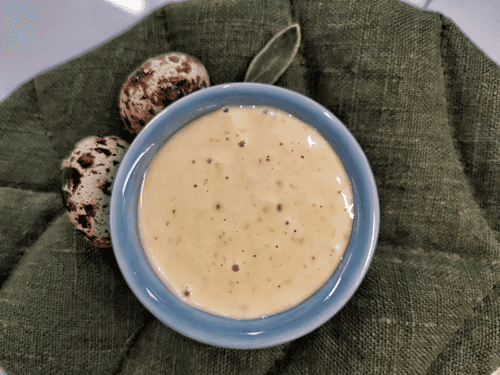
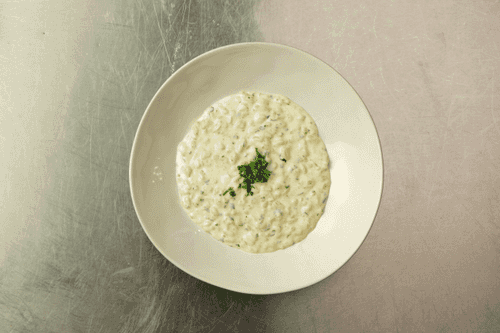
Mayonnaise with turmeric and quail eggs is an exquisite sauce that adds brightness and depth of flavor to familiar dishes. Its roots trace back to European cuisine, where classic mayonnaise has many variations. Quail eggs add tenderness, while turmeric provides a warm golden hue and a hint of spiciness. Grainy mustard adds textural complexity and pleasant sharpness, while lemon juice balances the richness of olive oil, creating a harmony of flavors. This sauce is perfect for salads, sandwiches, seafood, and vegetable appetizers. It not only enriches dishes with aromas but also adds visual appeal with its golden shade. Such mayonnaise is an excellent addition for gourmets who appreciate unusual flavor combinations and an aesthetic approach to presentation.
8
6
5

Potatoes with turmeric from Irina Meglinsky's recipe is a harmonious blend of simple ingredients enlivened by subtle Eastern notes. Russian cuisine, traditionally leaning towards hearty and cozy dishes, meets the exquisite spice of turmeric here, giving the potatoes a warm golden hue and a light spicy depth. An important part of the dish is a delicate sauce made from mustard, vinegar, and pickles that adds zest, while herring emphasizes the layered flavor. This dish is perfect as a standalone dinner or as a side for meat and fish. It fills the home with the aromas of home cooking, creating an atmosphere of warmth and family comfort. Simple to prepare yet refined in details – this recipe will be a true discovery for lovers of original flavor combinations.
10
4
30
Turmeric flatbreads fried in oil are a delicacy of Indian cuisine, rooted in the traditions of making puri. These crispy and airy breads are colored golden by turmeric, giving them a warm, slightly spicy flavor. The frying process makes them light and almost weightless. They pair perfectly with aromatic curries, sauces, or sweet chutneys. In India, these flatbreads are often made for festivals and celebrations, symbolizing warmth and abundance. They are enjoyed hot, savoring their delicate taste and tender texture.
5
4
30
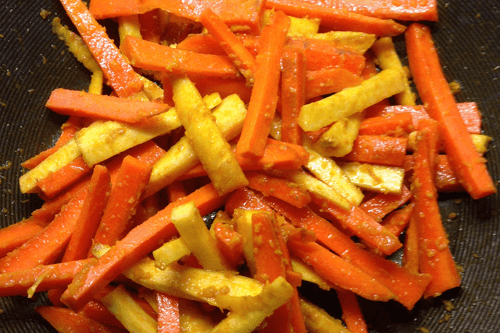
This recipe is a true embodiment of Pan-Asian gastronomy, where simple root vegetables transform into an exquisite dish. Carrots and parsnips infused with the aroma of honey, ginger, and turmeric acquire a caramel glaze and refined spicy warmth. Turmeric adds a golden hue and a slight bitterness to the dish, while honey softens and harmonizes the flavor, creating a unique blend of sweetness and spices. Ginger adds a piquancy that beautifully unfolds during roasting. This dish not only delights the eye with its vibrant color but also offers a rich taste suitable for serving on its own or as a side to meat or fish. It makes an excellent substitute for French fries, adding freshness and exoticism to your table.
6
3
20
Carrot biscuit with turmeric and honey is a delicate, aromatic dessert that combines the natural sweetness of carrots with the warm spice of turmeric and the rich flavor of honey. This recipe has roots in European cuisine where vegetables often serve as the base for baking. Carrots add moisture and softness to the dough while apples and raisins contribute natural fruity sweetness. Spices like cinnamon and nutmeg enhance the depth of flavor creating a cozy, slightly exotic aftertaste. This biscuit is perfect for morning tea or as an exquisite dessert for heartfelt gatherings. Thanks to turmeric, the cake takes on a golden hue and additional health benefits. This biscuit embodies tenderness, warmth, and harmony of flavors in every bite.
12
6
50
Rice with turmeric and butter is a fragrant dish of Indian cuisine, known for its rich golden color and creamy flavor. Basmati, light and airy, absorbs the warmth of spices and the tenderness of ghee, creating a harmony of taste and texture. Turmeric not only adds vibrant color but also fills the dish with its health benefits. This dish is often used as a side for meat and vegetable dishes but also works wonderfully on its own. In Indian tradition, spiced rice symbolizes the coziness and warmth of home cooking. It is easy to prepare: pre-roasting the grains releases their aroma, while slow simmering in boiling water makes the texture tender and airy. This dish is a simple yet exquisite classic of Indian culinary art.
6
2
20
Rice with mushrooms, turmeric, and sour cream is a delightful dish that combines the rich flavor of forest mushrooms, the tenderness of sour cream, and the warm notes of turmeric. Inspired by Italian cuisine, this recipe blends simplicity in preparation with exquisite flavors. The yellowish hue of rice infused with turmeric adds visual appeal and a mild spicy aroma. Mushrooms sautéed with onions reveal deep earthy notes, while sour cream lends the dish tenderness and a slight tanginess. This versatile treat is perfect for both everyday dinners and special occasions. It pairs wonderfully with Provençal herbs and fresh vegetables, creating a harmony of flavors. Serve with greens and a glass of white wine to highlight the Mediterranean character of this simple yet refined dish.
9
2
60
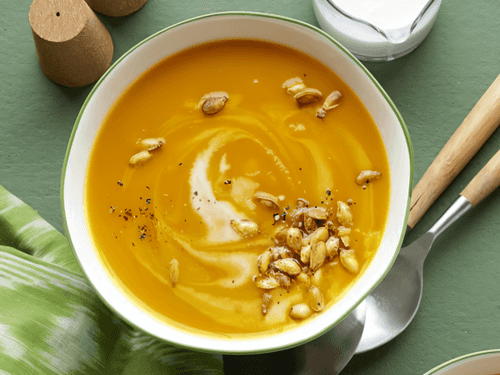
This pumpkin and turmeric soup is a warm and aromatic dish rooted in Jewish culinary traditions. Its delicate texture combines with the rich, slightly sweet flavor of pumpkin, accented by the spice of turmeric and a hint of black pepper's heat. Historically, such soups were made in the fall and winter months when one seeks warmth and nourishing food. Turmeric not only gives the soup a vibrant golden color but also possesses antioxidant properties. Toasted pumpkin seeds add a crunchy texture, while a splash of coconut milk brings creaminess and an exotic touch. This soup is perfect for both cozy home lunches and festive tables, highlighting the richness of culinary traditions.
10
4
35
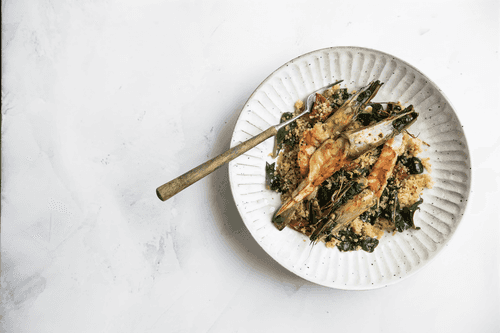
This salad etude looks like a simple collection of familiar ingredients, because olives, spinach and couscous are predictably delicious. But chef Alena Andreasyan, the concept chef of the restaurant "Without a Recipe", came up with a clever trick - adding a pinch of turmeric to the olive oil, which gave the salad a golden festive color and a spicy echo of the oriental bazaar.
11
4
20