










Recipe Catalog
No recipes contain all the words, showing recipes that match some of them

The recipe was shared with us by Yulia Posazhennikova, pastry chef of the restaurants Buro TSUM, Grace Bistro.
12
4
60
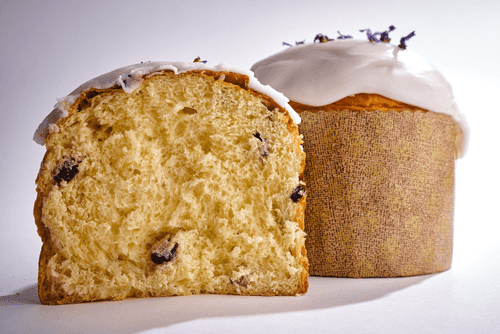
Oksana Kuznetsova, brand chef and co-owner of La poste, shared the recipe with us.
14
15
60
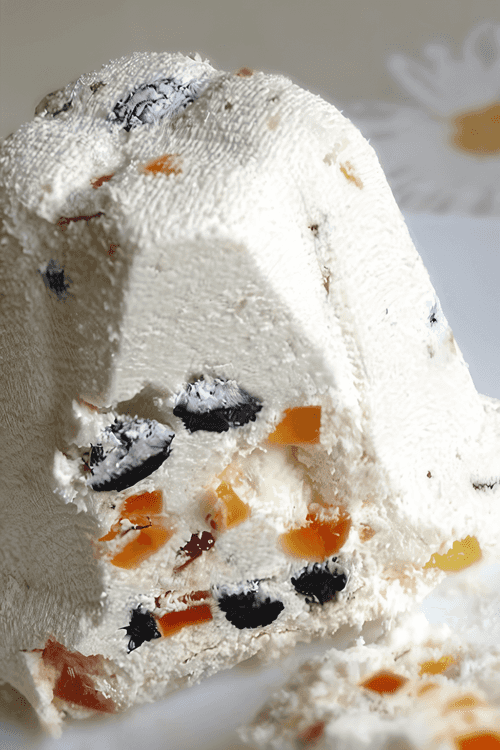
Cottage cheese diet Easter is a light yet truly festive dessert that combines the tenderness of cottage cheese, the tanginess of fermented baked milk, and the sweetness of dried fruits. This recipe is a modern interpretation of traditional Easter adapted for those who watch their diet. The flavor is rich: the creamy texture of cottage cheese is complemented by nutty crunch and fruity sweetness. Thanks to the use of sugar substitutes and low-fat products, this dessert remains healthy without losing its sophistication. Easter is traditionally prepared for the bright holiday, symbolizing spring, renewal, and joy. It is perfect for a festive breakfast or a cozy family tea time. Before serving, it can be decorated with fresh berries or an extra portion of nuts to enhance the flavor.
7
4
30

Dietary Easter kulich is a light and airy version of the traditional treat that brings celebration without extra calories. This recipe combines the tenderness of cottage cheese, the fluffiness of whipped egg whites, and pleasant aromatic notes of vanilla and cardamom. Oatmeal, rice, and corn flour create an unusual texture, making the kulich healthy and nutritious. Historically, Easter kulich symbolizes rebirth and joy, while its preparation is a family tradition filled with warmth and anticipation of the holiday. The taste is soft and slightly sweet due to the addition of a sugar substitute, while candied fruits add bright accents. The glaze made from dry milk and starch completes it with a gentle sweetness. This kulich pairs wonderfully with tea or coffee and will be a decoration for the Easter table while remaining easy to digest.
17
2
90
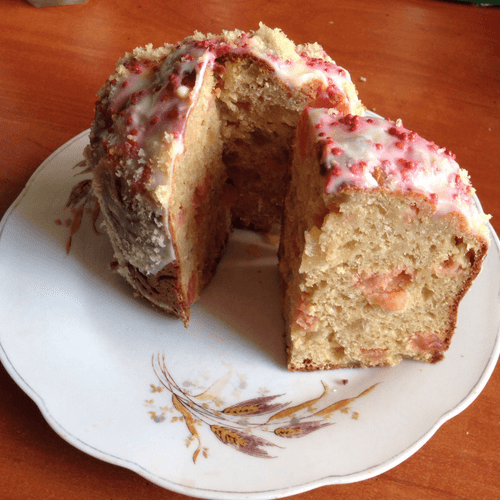
Dietary cottage cheese Easter kulich is a delicate, aromatic treat that offers the taste of celebration without extra calories. Its history traces back to Russian Easter traditions where kulich symbolizes the joy of rebirth and family unity. In this recipe, classic baking takes on a lighter form thanks to cottage cheese, oat and rice flour, while sugar is replaced with natural sweeteners. Egg whites whipped with citric acid give the dough airiness, while cardamom and vanillin add a refined aroma. The taste of the kulich is soft, slightly sweet with pleasant fruity notes of candied fruits. It pairs perfectly with milk glaze, making it special every Easter morning. Suitable for those seeking healthy eating without giving up traditional festive joys.
18
4
90
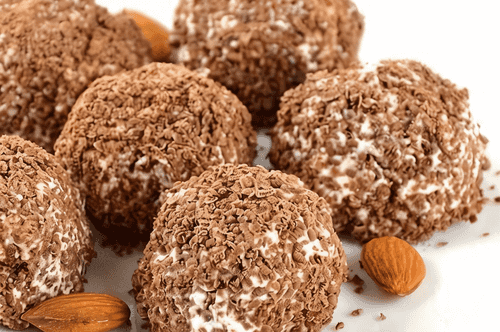
Cottage cheese pastries with dates and chocolate are a delicate and exquisite treat from Russian cuisine. They embody the harmony of soft cottage cheese, sweet dates, and rich chocolate. Dates add a subtle caramel note that deepens the flavor of the pastries, while chocolate shavings give them a refined texture and aroma. This no-bake dessert preserves the natural freshness of the ingredients. It is perfect for festive gatherings as well as cozy tea times. Chilled pastries become even more tender, and their taste is more balanced. The simplicity of preparation and exquisite result make this recipe a find for lovers of healthy and delicious desserts.
5
4
15
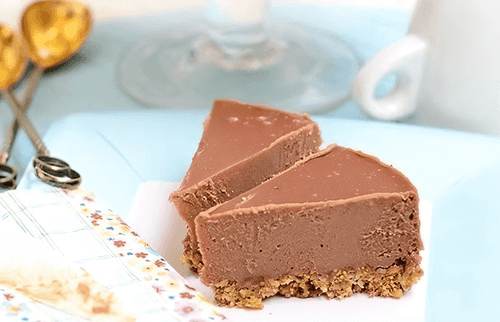
Chocolate cake with cashews and dates is an elegant combination of soft nut cream and rich chocolate. This dessert, inspired by European traditions, features a delicate texture and the natural sweetness of dates. The base consists of crushed walnuts and dates, creating a rich, slightly caramel flavor. The cashew, honey, and chocolate cream adds airiness, while chilling transforms it into a dense and velvety treat. No baking means all the natural properties of the ingredients are preserved. This cake is perfect for special occasions and enjoyment without hassle. It can be served with a cup of coffee or a glass of dessert wine to fully reveal the flavor palette.
7
6
60
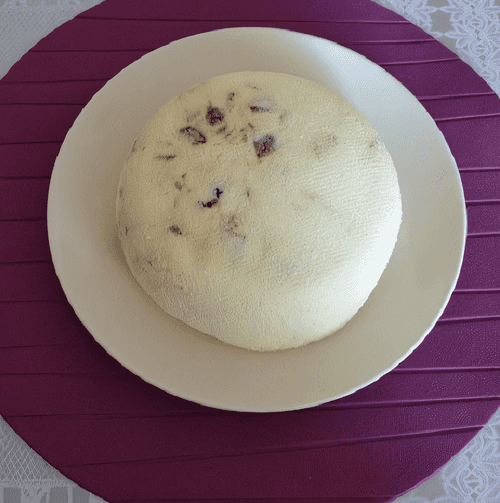
Easter with dates is a refined Italian dessert with a delicate texture and rich flavor. It has its roots in traditional cottage cheese Easter but gains special depth from dates soaked in fresh lemon juice. The sweetness of the dried fruits harmonizes with the softness of the cottage cheese and butter, while the light acidity of lemon adds freshness. The dish requires no baking—it is formed under pressure, creating a dense, velvety consistency. This Easter is perfect for festive meals, especially at Easter when served with honey, nuts, or fresh berries. In Italy, such desserts are valued for their naturalness and simplicity of preparation as well as their ability to highlight the richness of traditional Mediterranean flavors.
6
9
600
Dietrich marzipan cake is the embodiment of Estonian pastry traditions and exquisite taste. Its tender buttery sponge cake soaked in vanilla harmoniously combines with airy cheese-marzipan cream. Legend has it that such cakes were made in ancient Baltic patisseries where marzipan was a symbol of sophistication. The finishing touch is a layer of fragrant marzipan with rum, adorned with fresh berries, creating visual and taste perfection. This dessert is perfect for festive occasions where one wants to impress guests with a refined treat. Dietrich marzipan cake is a blend of sweetness, creamy tenderness, and the light tartness of blackberry jam, making it a true culinary masterpiece.
14
8
200
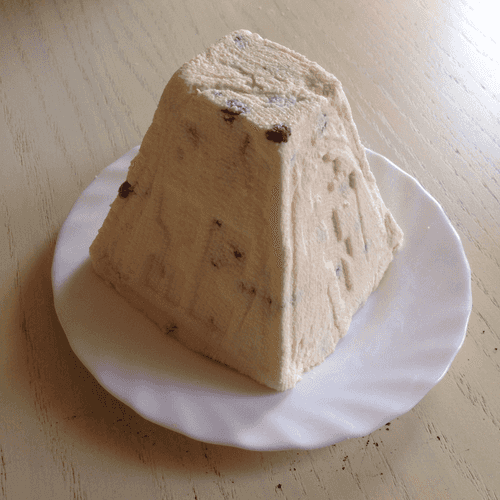
Dietary custard cheese Easter is a delicate and airy treat that gently preserves the traditions of Belarusian cuisine while offering a lighter version of the classic Easter dish. The recipe is based on cottage cheese whipped with eggs, sour cream, and butter, creating a velvety texture. The vanilla aroma, sweetness of raisins and apricots, along with crunchy almond flakes give the dessert a refined taste. A light alcoholic note from the cognac infusion adds a slight piquancy. The Easter dish is prepared by heating the mixture, making the texture soft and melting. Served chilled, it decorates the festive table and brings a sense of coziness and family warmth. This tradition intertwines with modern dietary trends while preserving all the depth of flavor without excess calories.
10
12
180
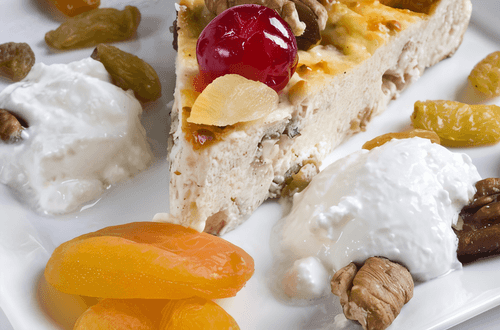
Creamy Easter with nuts, candied fruits, and citrus zest is a true festive treat traditionally prepared for Easter. Its roots go back to Russian cuisine, where cottage cheese desserts hold a special place. The delicate consistency of the creamy mass harmonizes with the aroma of vanillin, citrus zests, and spicy cardamom, while walnuts and candied fruits add textural variety and sweet accents. This treat is not only delicious but also symbolic – its shape resembles church Easter bread, and its rich composition makes it worthy of a festive table. Served chilled, it pairs perfectly with a cup of fragrant tea or fresh pastries, creating an atmosphere of coziness and warmth.
10
6
30

Golden Easter kulich with saffron and nutmeg is a true culinary masterpiece reflecting the traditions of the Russian holiday. Its history traces back to ancient recipes where saffron and nutmeg were used to impart rich aroma and golden color. The taste features deep sweetness with light citrus notes, the sophistication of cognac, and warmth from spices. The airy dough is infused with aromas of vanilla, saffron, and nutmeg, creating a rich and festive flavor. It is served at the Easter table adorned with icing and nuts, becoming a symbol of joy and prosperity. This kulich pairs wonderfully with tea or light dessert wines, while its softness and richness make every meal special.
14
10
120
Cottage cheese Easter with nuts is a delicate and aromatic festive dish of Russian cuisine, symbolizing the bright holiday of Easter. Historically, Easter was prepared in homes as a symbol of rebirth and prosperity. In this version of the classic recipe, cottage cheese is combined with sour cream, eggs, and raisins to create a tender texture, while caramelized nuts add a crunchy sweetness. Cream gives the dish a velvety softness. Easter pairs perfectly with fragrant tea or fresh berries, and its rich flavor makes it a centerpiece on the festive table. The dish can be served chilled to enjoy its rich creamy consistency. This traditional treat not only delights the taste but also carries the warmth of home and age-old traditions.
6
4
30
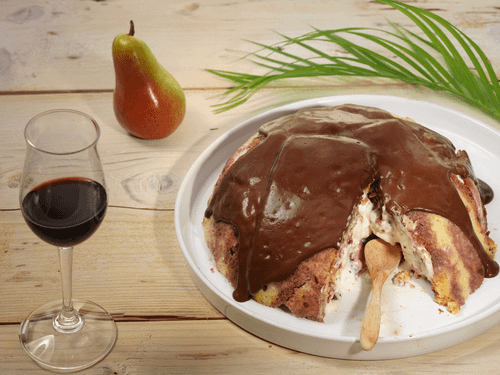
A cupcake or an uneaten Easter cake can be used as a base - the main thing is that it is large in diameter and tall enough, with candied fruit inside.
10
8
20
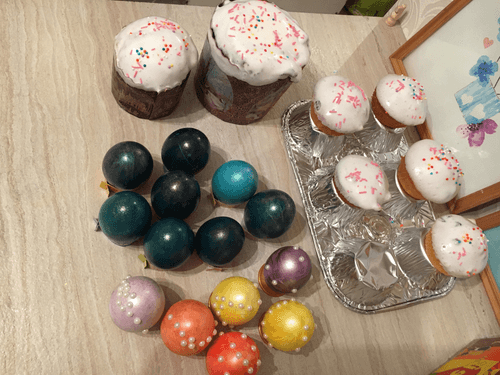
Cottage cheese kulich in glaze is a delicate and airy treat that embodies the traditions of European cuisine and the warmth of home. Its history traces back to Easter customs when sweet kulich symbolized celebration and rebirth. The unique texture is created by cottage cheese, which adds softness and a slight tanginess, harmonizing with the aroma of butter and sweetness of sugar. The addition of raisins, nuts, and candied fruits makes the pastry especially festive. Completing the image is a glaze made from whipped egg whites with sugar, giving the kulich an appetizing shine and lightness. They can be served as an independent dessert with tea or coffee or used to decorate the Easter table while enjoying the richness of flavors and traditions.
11
5
30