











Recipe Catalog
No recipes contain all the words, showing recipes that match some of them

Borscht on meat broth with lemon juice is a refined dish of Russian cuisine that combines rich meat flavor with a subtle citrus tang. The history of borscht traces back to East Slavic traditions, where it became a symbol of home comfort and hospitality. In this recipe, the meat broth is infused with the aroma of fresh vegetables—beets, cabbage, carrots, and tomatoes—creating a rich palette of flavors. Lemon juice adds a special freshness, highlighting the sweetness of beets and the depth of the broth. Garlic and herbs complete the composition, giving the dish spicy notes. Borscht is served hot with sour cream, making the taste even more delicate and rich. It is an ideal dish for cozy family evenings and festive gatherings.
9
10
105
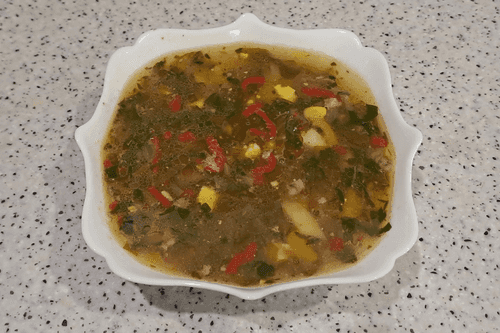
Green borscht with sorrel, pumpkin, parsley, and sweet pepper is a true celebration of flavors and aromas. This borscht, rooted in European culinary traditions, combines the gentle tartness of sorrel, the sweetness of pumpkin, and the richness of meat broth. Summer notes of fresh parsley and sweet pepper make it even more refreshing. The tomato juice sauce gives the dish a bright color and rich taste. Chicken eggs add softness while garlic and spices provide a light spiciness. This borscht is perfect for lunch on a warm day as it can be served hot or chilled. Delicious, healthy, and incredibly aromatic!
14
12
90
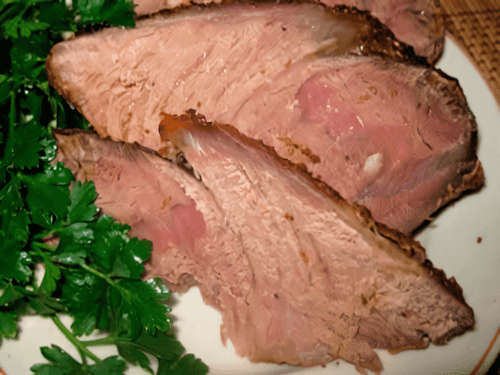
Roasted meat with lemon juice is a classic example of simple ingredients creating an amazing harmony of flavors. Lemon juice penetrates the beef, making it tender and adding a tangy citrus note, while garlic and spices provide a rich aroma. This marinating method has been known since ancient times in Mediterranean cuisine, where the combination of meat and acidic components is valued. This dish is perfect for a festive dinner or a cozy family evening, pairing well with roasted vegetables or a fresh salad. The beef turns out juicy and rich, while the gentle acidity of lemon makes it especially appetizing.
6
4
135
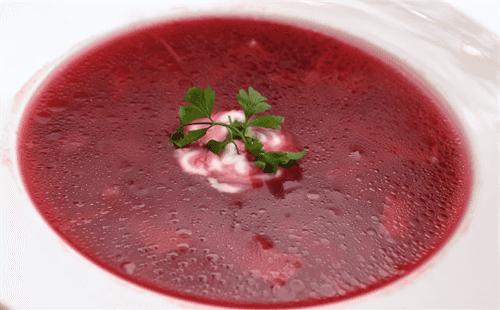
Lean borscht on chicken broth is a light and aromatic version of the classic Russian dish, gifted to us by the centuries-old traditions of Slavic cuisine. Unlike traditional fatty borscht, this recipe offers softness and refinement of flavor thanks to the delicate chicken broth. Beets and carrots give the soup natural sweetness, while vinegar adds a slight tanginess, creating a perfect balance. Cabbage combined with potatoes makes the borscht hearty yet not heavy. Lemon added to each bowl refreshes the taste with an exquisite zest. This borscht is great for everyday lunch and is especially valued for its lightness and nutritional value. It can be served with low-fat sour cream and rye bread, enjoying every sip of warm, rich yet airy flavor.
10
6
45
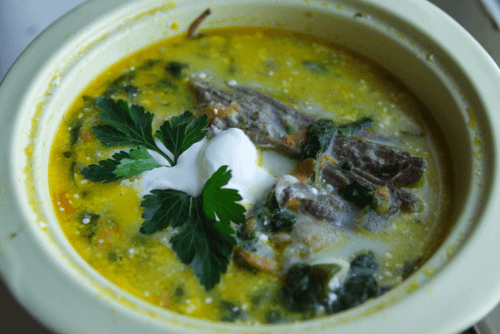
Green borscht with nettles, ramsons, and spinach is a vibrant embodiment of spring freshness in Russian cuisine. Its history traces back to traditional village recipes that used young greens to enrich the diet after a long winter. The rich aroma of beef broth perfectly complements the light tartness of the greens, creating a deep and invigorating flavor. Nettle adds spiciness to the borscht, ramsons contribute garlic notes, and spinach makes it tender and balanced. Boiled eggs bring softness and nutrition, while sour cream reveals all flavor nuances, making the dish velvety. This borscht not only satisfies but also refreshes, making it perfect for warm spring days. It is served hot and pairs excellently with rye bread or fresh herbs.
12
8
60
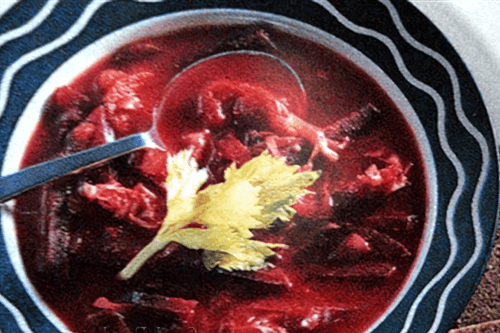
Lean borscht with beans in vegetable broth is a true embodiment of Ukrainian cuisine, combining rich flavor, nutrition, and traditions. Borscht, known since ancient times, has always been a symbol of home comfort and hospitality. This meatless version with beans adds a special texture and depth of flavor to the dish. The slight acidity of beets and tomato paste harmoniously complements the aroma of bay leaves and fresh herbs. Rich in vitamins, it is perfect for fasting days, warms in cold weather, and brings joy to anyone who appreciates real cuisine. Served hot, garnished with delicate beet strips and beans, it creates not only gastronomic but also aesthetic pleasure.
15
4
60
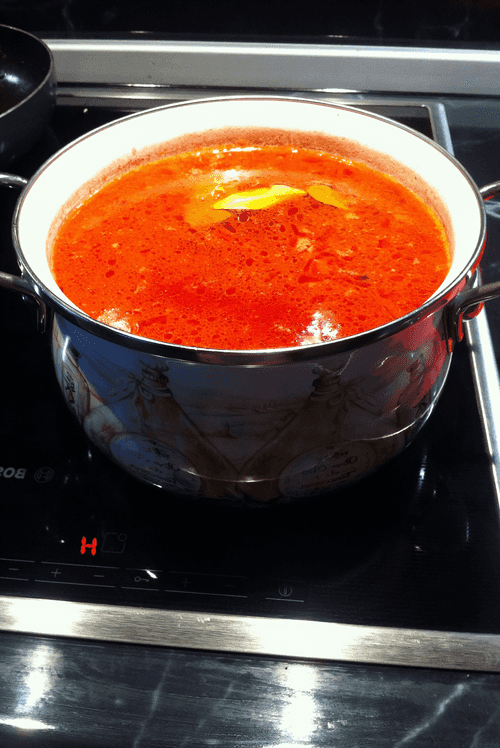
Borscht is one of the most famous dishes of Eastern European cuisine, rooted in ancient Slavic culinary traditions. This rich, aromatic soup made from beef broth takes on a bright ruby color thanks to beets, and its flavor balances between the sweetness of vegetables and a deep meaty base. Potatoes and cabbage add nourishment to the borscht, while sautéed carrots and onions reveal rich caramelized notes. Garlic and dill complete the composition, adding freshness and zest. Borscht pairs perfectly with sour cream, enhancing its tenderness. It is traditionally made with love and often becomes the centerpiece of family gatherings. The best borscht is one that has been allowed to steep and develop a rich, deep flavor that makes it indispensable in home menus.
10
4
120
Dietary borscht on turkey broth is a light yet rich first dish of Russian cuisine that combines traditional flavors with a low-calorie base. Instead of fatty meat, tender turkey is used, making the broth clear and light. Beetroot, tomato paste, and aromatic herbs give it a special depth of flavor. The history of borscht dates back to ancient Rus', where it was made with various types of meat and vegetables. This dish not only warms but also nourishes the body with beneficial substances. Thanks to a small amount of vinegar, the borscht retains its rich color. It can be consumed hot or cold, complemented with fresh herbs. An ideal option for those who watch their diet but do not want to give up their favorite traditional flavors.
12
5
90
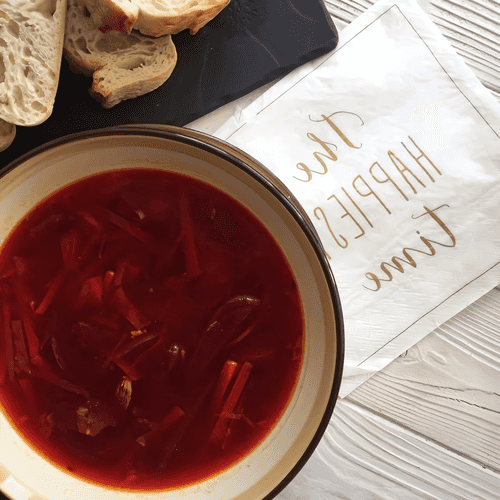
Borscht on beef broth with roasted beets is a traditional Ukrainian dish that embodies a wealth of flavors and aromas. The history of borscht dates back to ancient times when it served as a symbol of home comfort and hospitality. This version with roasted beets features a deep rich color and subtle caramelized notes. Beef broth gives the borscht density and richness, while fresh vegetables provide a balance of flavors and textures. It is served hot with sour cream and golden garlic pampushka, adding warmth to the meal. Borscht not only satisfies hunger but warms the soul and brings people together at the table. It reveals its best flavors the day after cooking when the ingredients exchange aromas, creating perfect harmony of tastes.
14
7
210
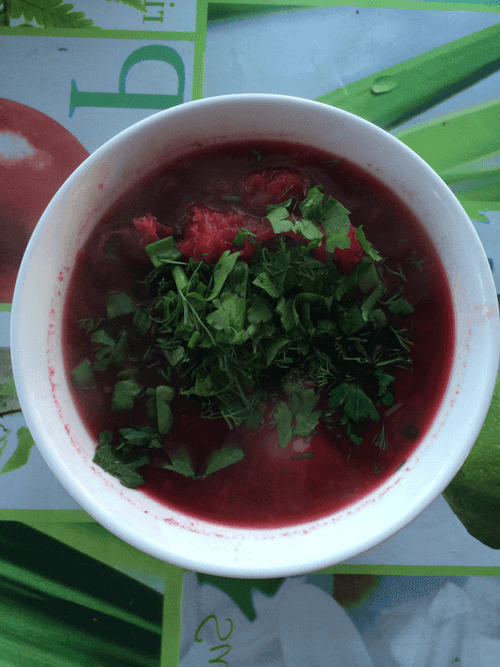
Meatless and potato-free hearty borscht is a vibrant representative of Ukrainian cuisine, embodying the deep flavor of vegetables and the richness of traditions. It originates from rural homes where housewives skillfully prepared it, enriching it with beets, cabbage, and tomato paste. This borscht rivals the meat version in thickness and taste: sweet beets harmonize with the acidity of tomatoes, while the aroma of garlic and bay leaves adds zest. Without potatoes, it is lighter and richer in vegetable content. Served with herbs and fresh bread, it perfectly warms in cold weather and is suitable for fasting diets. The borscht becomes even tastier the next day when its flavor fully unfolds.
12
1
120
Winter borscht with smoked meats is a rich and aromatic dish of Ukrainian cuisine that embodies comfort and warmth. Its roots trace back to traditional peasant recipes where a long cooking process transformed simple ingredients into a rich flavor. A deep meat broth made from three types of meat is complemented by fried smoked meats that give the borscht a rich smoky aroma. Vegetables like beets, carrots, and cabbage create a harmony of sweetness and sourness enhanced by lemon juice and tomatoes. The final touch is fresh herbs and a pinch of grated beetroot that restore the bright ruby hue. Serving it with sour cream makes the taste even gentler, and the next day the borscht becomes deeper and richer. This dish warms the soul and is a true gastronomic delight on winter days.
29
10
300
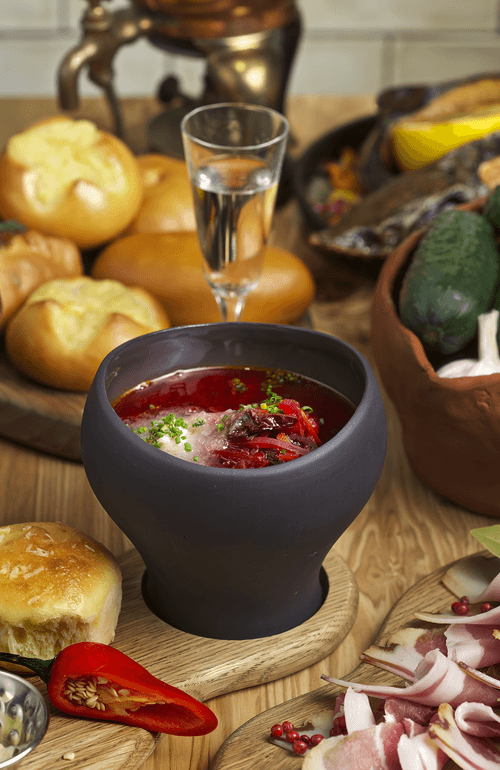
A ton of ingredients, including chicken, pork ribs, ham bone, and sausages! Recipe by Vlad Piskunov, brand chef of the Matryoshka restaurant.
16
6
180
Zucchini marinated in lemon juice and garlic is a light and elegant Italian dish perfect for warm summer evenings. Its roots trace back to Mediterranean culinary traditions where the freshness of ingredients plays a key role. Tender slices of zucchini soak up the aroma of lemon juice and garlic, while the addition of olive oil gives it a velvety texture. Pine nuts add a light nutty note, and parsley refreshes the taste. This dish pairs perfectly with chilled white wine like Soave, enhancing its citrus freshness. Marinated zucchini makes a wonderful appetizer before the main course, adding sophistication to your table and impressing guests with its simplicity and harmony of flavors.
8
6
10
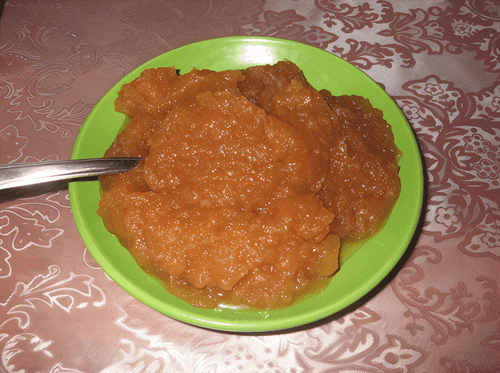
Apple jam with lemon juice and mint is a fragrant and refreshing treat that adds a special zest to traditional fruit sweetness. This jam originates from Russian cuisine, where apples—especially Antonovka—are valued for their rich flavor and gentle tartness. Lemon juice enhances the freshness of the fruits, while mint brings a touch of coolness, making the jam surprisingly refreshing. The preparation method is unusual: apples are caramelized in the oven and then infused with spice aromas, creating a rich, slightly spicy taste. This jam is perfect for morning tea, hot toast, or as a filling for pies, bringing warmth and coziness to every moment.
6
4
40
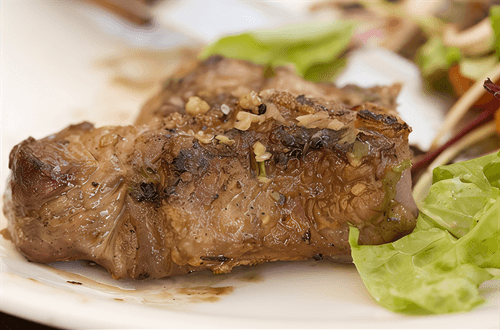
Beef steaks with lemon juice and herbs are the true embodiment of an American steak with a refined Mediterranean accent. The combination of juicy beef tenderloin, aromatic herbs, and bright lemon juice creates a dish with deep flavor and freshness. The lemon tang in the sauce highlights the rich meat taste, while oregano and parsley add a sophisticated herbal note. It cooks quickly but requires a little 'rest' before serving to keep the meat tender and juicy. This steak is perfect for a family or friends dinner and is served with vegetables, potatoes, or fresh bread. The origins of this recipe trace back to American grilling traditions where meat and simple natural ingredients create culinary perfection.
8
4
25