





- Categories
- Main courses (12806)
- Bakery and desserts (12068)
- Appetizers (5704)
- Salads (4899)
- Soups (3502)
- Drinks (2372)
- Breakfast (2278)
- Pasta and pizza (1930)
- Sauces and marinades (1410)
- Sandwiches (562)
- Risotto (313)
- Broths (106)
Citric acid

An odourless crystalline acidifier — a lemon-juice substitute in cooking and canning.
Citric acid is an odourless crystalline acidifier that replaces lemon juice in cooking and preserving. It is added to dough, fillings, syrups and canning, and to adjust acidity and colour.
Recipes with this ingredient
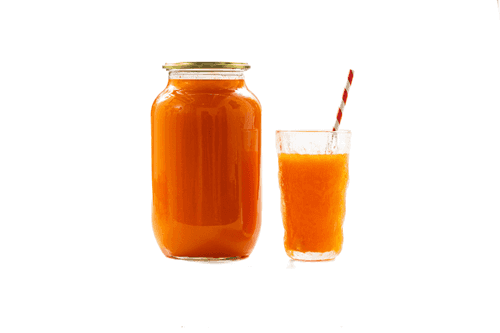
Pumpkin juice is a bright drink with a slight tang and refreshing citrus aroma. Its history goes back to the traditions of Russian cuisine, where pumpkin has long been used in preparing healthy and nutritious dishes. The combination of sweet pumpkin flesh with orange juice creates a harmonious balance of flavors, while added lemon acid gives a pleasant freshness. This drink not only enriches the body with vitamins but also pairs wonderfully with desserts, smoothies, and baked goods. It can be served chilled on a hot day or as a main ingredient for creating original culinary masterpieces. Opening a can of pumpkin juice always inspires the creation of exquisite treats.
4
15
60

The recipe is taken from the book "Holiday salads and appetizers. Very simple.
13
4
30

Cucumaria with beans is an unusual and exquisite dish of Russian cuisine that combines marine and traditional flavors. Cucumaria, a sea creature with a delicate, slightly sweet taste, pairs wonderfully with beans, adding density and richness to the dish. The tomato sauce with spices and citric acid highlights the marine freshness, while herbs add a piquant note. The dish has roots in coastal regions where seafood has long been an important part of the diet. It is perfect for both everyday and festive meals, served hot with aromatic herbs. The harmony of ingredients makes it unforgettable and special in the gastronomic world.
11
1
60

Cottage cheese kulich without yeast is a delicate and aromatic Easter treat inspired by Russian culinary traditions. Unlike the classic yeast kulich, this version is made with cottage cheese, which gives the pastry softness and rich flavor. The addition of dried apricots and walnuts makes the texture interesting and adds sweet and nutty notes. Vanilla paste and butter complete the rich bouquet of flavors. Decorated with airy glaze and confectionery sprinkles, this kulich becomes a true symbol of Easter – bright, festive, and soul-warming. It is perfect for tea with loved ones, and its special structure makes it slightly denser yet tender at the same time. This kulich pays homage to traditions but with an exquisite modern interpretation.
14
8
90
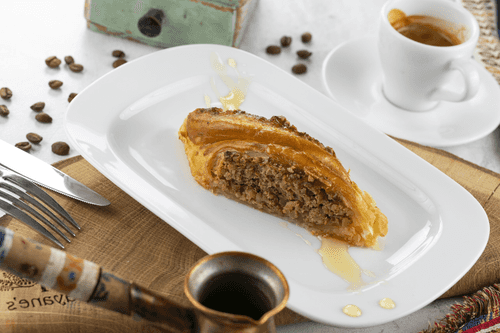
The recipe was shared with us by brand chef Gayane Breiova, restaurant Gayane's.
14
12
60

The recipe was shared with us by the brand chef of the Gayane's restaurant, Gayane Breiova.
9
6
60
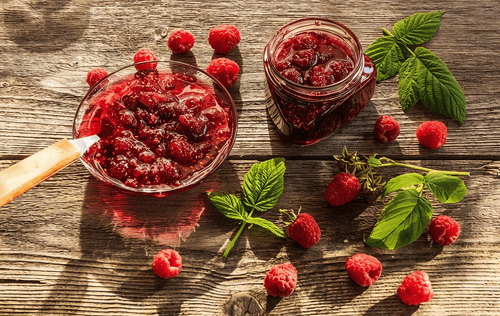
There are two dangers with raspberry jam - oversweetening and overcooking. In the first case, the taste of the berry disappears, in the second - the color disappears and the jam becomes unappetizingly brown. In this recipe, the berries are first boiled down a little, and then sugar is added in parts. This way, the jam cooks evenly, the sugar does not stick to the bottom, the whole process goes faster, and the finished jam has a vibrant color and the taste of a live berry, not sugar.
5
10
40
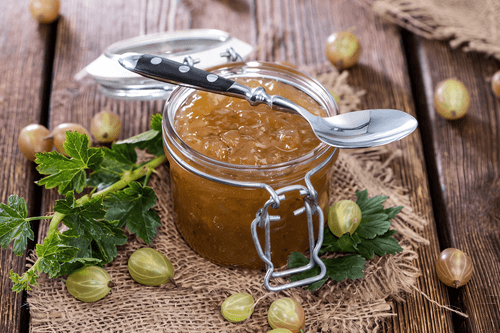
One of the most labor-intensive jam recipes: you need to remove the seeds from each gooseberry, leaving only the "shells". But all the work pays off in spades: the jam turns out transparent, amber-colored and honey-fruity in taste. There is an even more delicate way of cooking "Tsarskoe" jam - this is when instead of seeds, a quarter of a walnut is put into each berry. But this is not even a recipe, but something akin to culinary obedience.
7
6
30
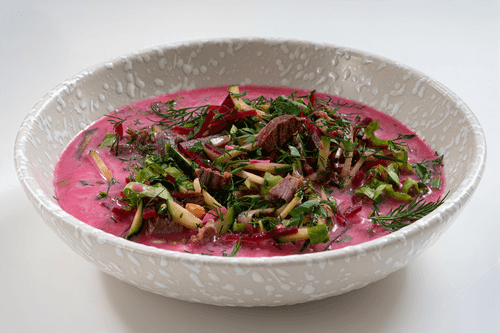
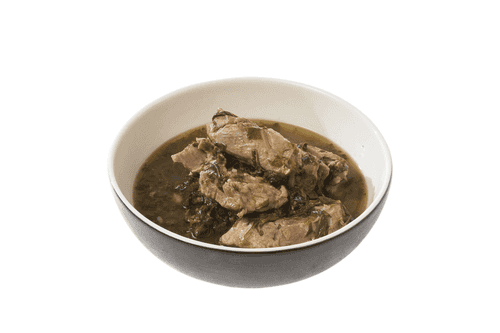
Beetroot soup with meat is a refreshing first dish of Russian cuisine that embodies vibrant flavors and nutritional value. The roots of this recipe go back to ancient times when cold soups were popular in summer months due to their lightness and thirst-quenching ability. Beetroot gives the soup a rich ruby color and sweet notes that harmonize with the tender taste of beef and the crisp freshness of cucumbers. Adding herbs and sour cream makes the dish more delicate and aromatic. Carbonated water adds a special lightness and airiness to the soup's texture. Beetroot soup is perfect for hot days, providing a sense of coolness and freshness, and is also an excellent option for a light yet nutritious lunch.
14
4
90
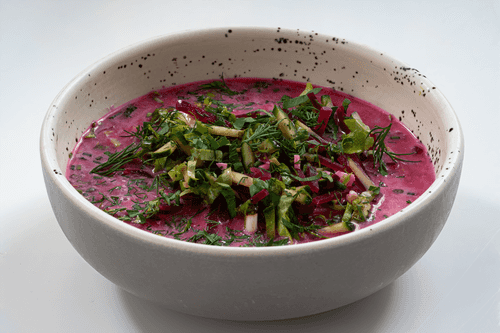
Classic beetroot soup is a refreshing cold dish and a symbol of Russian cuisine and its rich traditions. Its history traces back to ancient village recipes when beet broth was used to prepare nourishing meals in the summer heat. The bright ruby color of the soup catches the eye, while its taste—a delicate balance of beet sweetness, light vinegar tang, and refreshing crunch of cucumbers—delights and invigorates. Adding greens, chicken protein, and sour cream gives tenderness and depth to the flavor. Beetroot soup is perfect for a summer lunch, quenching thirst and energizing with fresh vegetables and protein. This soup is a true gastronomic delight that reveals the harmony of traditional Russian ingredients.
12
4
90
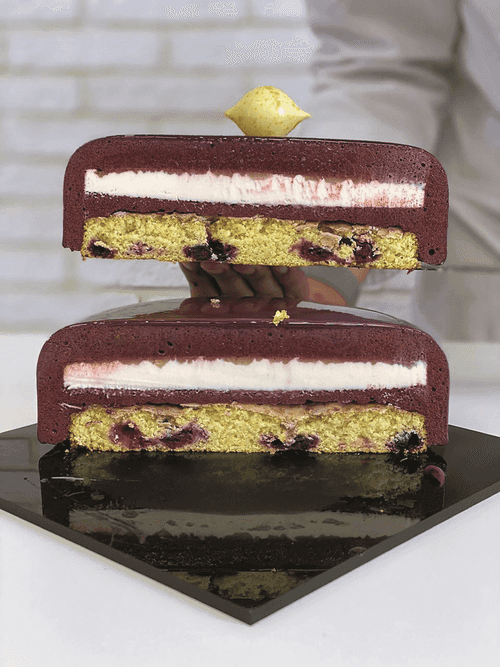
The recipe is taken from Anna Aksenova's book "Mousse Cakes. As Easy As Easy!".
31
12
180

Kefir pancakes have a pleasant sourness that goes well with salty fillings, such as red caviar. We got this wonderful recipe from Olga Syutkina.
11
4
60

Baskets with protein cream and berries are a delicate dessert originating from Soviet cuisine, where pastries held a special place. Crispy shortcrust pastry, a thin layer of fragrant orange jam, and airy protein cream create a harmonious blend of textures and flavors. The berries adorning the dessert add freshness and an exquisite appearance. These baskets were often prepared for festive tea parties, enjoyed for their lightness and sweet aftertaste. They are suitable for special occasions but remain appealing as an everyday treat. Perfect with hot tea or coffee, they become a true decoration for any table.
10
12
120
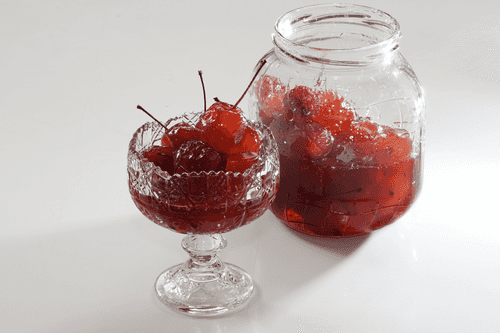
The jam is prepared in the classic way in three stages: first the apples are covered with sugar, left to stand, and then quickly boiled and cooled three times. Each time the apples become more and more caramelized, which prevents them from falling apart into puree, and to make the syrup transparent, a little citric acid is added to the jam at the beginning of cooking.
4
10
120