





- Categories
- All (47950)
- Main courses (12806)
- Bakery and desserts (12068)
- Appetizers (5704)
- Salads (4899)
- Soups (3502)
- Drinks (2372)
- Breakfast (2278)
- Pasta and pizza (1930)
- Sauces and marinades (1410)
- Sandwiches (562)
- Risotto (313)
- Broths (106)
Find recipes based on your preferences
Discover amazing recipes from around the world, learn the secrets of traditional dishes, get inspired by culinary adventures, and cook with joy together with us!
Ginger lemonade is a refreshing drink with a distinct spicy aroma that comes from Pan-Asian cuisine. Its roots trace back to Eastern traditions where ginger is highly valued for its warming and healing properties. The taste of the lemonade balances between the bright acidity of fresh lemon juice and the sweetness of cane sugar, while the sharp notes of ginger add a piquant touch. This drink not only quenches thirst but also helps to invigorate, improves digestion, and strengthens immunity. It is served chilled with plenty of ice, perfectly complementing summer days or keeping warm on cool evenings.
4
4
15

The cocktail 'Stinger' is a refined drink with British roots that combines noble brandy and refreshing mint liqueur. Its history dates back to the 20th century when this elegant cocktail captivated gentlemen's clubs and bohemian parties. With a rich flavor and velvety texture, 'Stinger' blends the softness of brandy with the cool freshness of mint, creating a harmonious balance. This cocktail is perfect for evening relaxation, highlighting an atmosphere of coziness and sophistication. Served chilled in an elegant glass, it is completed with a delicate cherry. The combination of strength and freshness makes 'Stinger' an indispensable choice for lovers of classic drinks with exquisite taste.
3
1
5

Dried fruit compote is a traditional drink of Russian cuisine that has warmed souls and hearts since ancient times. It was made in peasant homes to preserve the taste and benefits of fruits for a long winter. The taste of the compote is rich and intense, with a slight tartness from apples and pears, gentle sweetness from berries, and a subtle caramel note from dried fruits. It is perfect as a refreshing summer drink or a warming winter brew, often served in large samovars. Thanks to natural fruit sugars and vitamins, compote is beneficial for health, supporting immunity and providing a sense of home comfort.
3
4
30
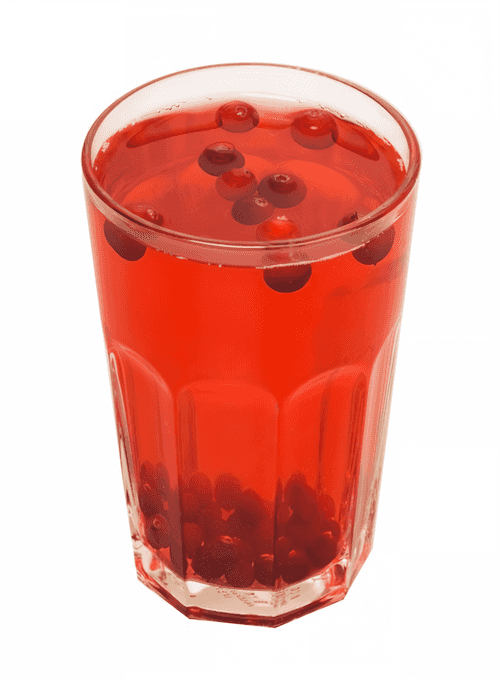
Compote made from frozen fruits and berries is a classic drink of Russian cuisine that brings the taste of summer even in cold weather. Compotes have been popular in Russia since ancient times due to their simplicity and naturalness. This refreshing drink is made from frozen fruits and berries, which give it a rich aroma and a slight tartness. The syrup made from sugar and water enhances the natural sweetness of the ingredients, creating a harmonious balance of flavors. Compote can be served chilled on hot days or slightly warm for a comforting effect. It pairs perfectly with baked goods, especially homemade pies and buns. A great option for those who appreciate natural drinks and want to add some vibrant colors to their everyday menu.
4
4
30
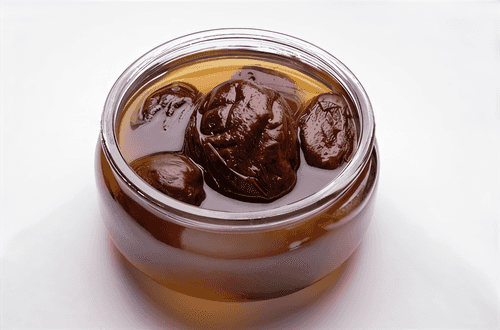
Prune compote is a traditional drink of Russian cuisine that delights with its rich flavor and slight acidity. Historically, prunes were widely used in Russian cooking due to their health benefits and long shelf life. This compote has a warming effect and offers a deep, fruity aroma with hints of caramel. It is prepared by boiling prunes in sweet water, which reveals their natural softness and flavor richness. The compote is perfect as a standalone drink or as an addition to family lunches or festive gatherings. It aids digestion and contains many vitamins. It can be served hot or chilled, complemented with a slice of lemon or fresh berries for a more pronounced taste.
3
4
30
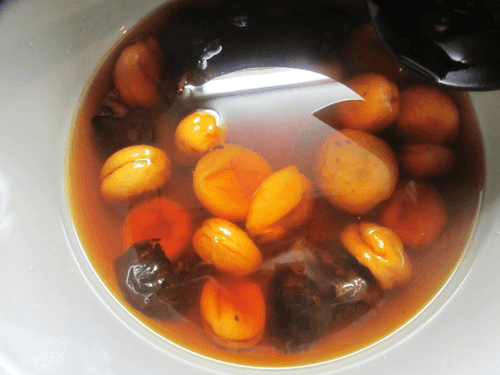
Compote of prunes, raisins, and dried apricots is a drink that intertwines the warm notes of Caucasian cuisine. This compote carries centuries-old traditions when dried fruits were used to make aromatic and rich beverages. Its taste is deep and rich, with a slight tartness from the prunes, sweetness from the raisins, and tenderness from the dried apricots. It warms on cold days and refreshes in summer heat, making it an ideal addition to family gatherings. Due to its natural composition, the compote is rich in vitamins and beneficial substances, making it not only tasty but also a healthy choice. This drink emphasizes the hospitality and warmth of Caucasian cuisine, turning each cup into a delight.
5
4
30

Carrot juice with cream is a delicate and nutritious drink that combines the freshness of carrots with the softness of cream. This recipe traces back to Russian traditions where vegetable juices were valued for their benefits and naturalness. Carrots, rich in vitamins and antioxidants, give the drink a sunny hue and light sweetness, while cream adds a velvety texture and gentle milky flavor. This juice is perfect for a morning or afternoon snack, providing an energy boost and beneficial nutrients. It is important to serve it slightly chilled but not cold to preserve the depth of flavor. Carrot juice with cream can be enhanced with honey or cinnamon, adding new shades to its flavor palette.
3
1
30

Cranberry or currant kissel is one of the oldest and favorite drinks of European cuisine that has passed through the centuries and retained its popularity. Its rich berry flavor with a slight acidity perfectly complements the sweetness of sugar and the softness of potato starch, creating a velvety texture. Historically, kissel was prepared in Russia and Eastern Europe as a nutritious and warming drink, often consumed on cold winter days. It is perfect for finishing a meal or as a standalone treat. Thanks to the natural properties of cranberries and currants, kissel is rich in vitamins, strengthens immunity, and aids digestion. It can be served warm or chilled, allowing you to enjoy its soft consistency and refreshing taste.
3
4
30

Kissel made from strawberries, wild strawberries, and other berries is a delicate and aromatic drink with a rich history in European cuisine. It is believed that kissel was a popular dessert since ancient times when it was made from oat or rye broth. Over time, the recipe changed, and now it is made from fresh berries, giving it a rich flavor and slight acidity. This kissel has a velvety texture thanks to potato starch, and the berry puree makes it especially pleasant to taste. It is ideal as a refreshing drink on a hot day or as a light dessert after a hearty lunch. It can be served warm or chilled and can be garnished with fresh berries or mint leaves for added charm.
3
4
30
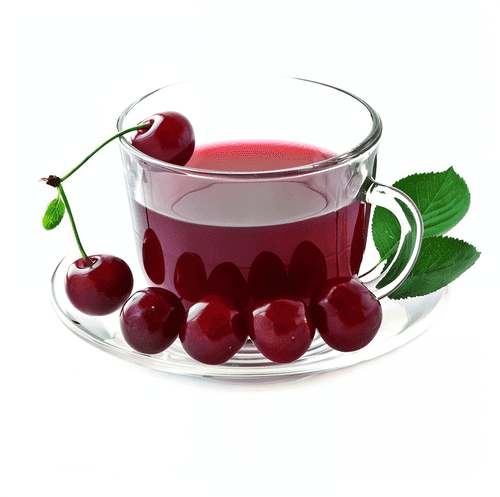
Cherry kissel is a classic drink of European cuisine, originating from ancient Slavic traditions. Its rich ruby color and thick consistency make it not only tasty but also aesthetically appealing. Cherry, with its slight tartness and pronounced fruity aroma, adds freshness and pleasant astringency to the drink. Added sugar softens the taste, while potato flour makes the kissel velvety and tender. This drink not only quenches thirst but also warms in cold weather. It can be served as a standalone dish or used as a sauce for desserts. Cherry kissel is not just a drink; it is part of cultural heritage that preserves the taste of home comfort and traditions.
3
4
30