















Recipe Catalog
No recipes contain all the words, showing recipes that match some of them
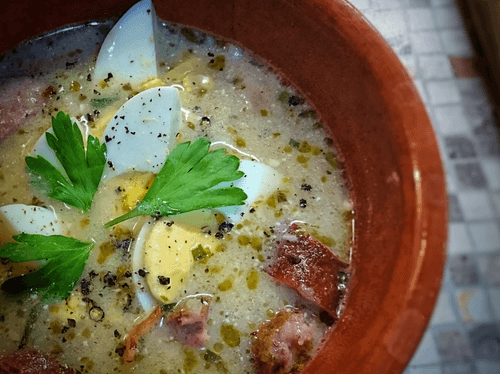
Zurek is a soulful Polish soup with a rich history dating back to the Middle Ages. Its main feature is the rye sourdough that gives the dish a characteristic tang and deep aroma. The taste of zurek is surprisingly layered: the sour base harmonizes with a rich meat broth, spicy seasonings, and a creamy texture. This soup is often served with smoked sausage and boiled eggs, making it even heartier. Traditionally prepared for Easter, it remains popular year-round, warming and comforting on cold days. It is typically served in bread bowls, adding a touch of authenticity and rustic charm. Such a soup embodies Polish gastronomy by combining flavor, tradition, and coziness.
16
8
120

Kneidlach is a traditional Jewish dish, especially revered during Passover. Its roots go back centuries when matzah became the main ingredient in festive meals. These delicate dumplings made from matzo meal, chicken fat, and eggs have a soft texture and absorb the rich flavor of broth. They are served with a fragrant vegetable broth, creating a hearty and cozy dish. Kneidlach symbolizes family traditions, warm memories, and the strength of community. They can be eaten as a standalone first course or used as a side dish to meat, enriching the meal with depth of flavor and aroma. Due to their simplicity in preparation and harmonious taste balance, this dish remains a favorite among many generations.
10
4
120

Bread made with wheat sourdough and rye malt is a true embodiment of Russian baking traditions. Its history dates back centuries when sourdough was the basis for bread making and rye malt added a rich aroma and sweet flavor to the baked goods. This bread is airy with a crispy crust and a rich grain bouquet, harmoniously combining the slight acidity of the sourdough with caramel notes of the malt. It pairs wonderfully with soups, meat appetizers, and cheeses, and serves as an excellent base for homemade sandwiches. Such bread is not only nutritious but also possesses a deep character that conveys the spirit of traditional Russian cuisine.
8
4
205
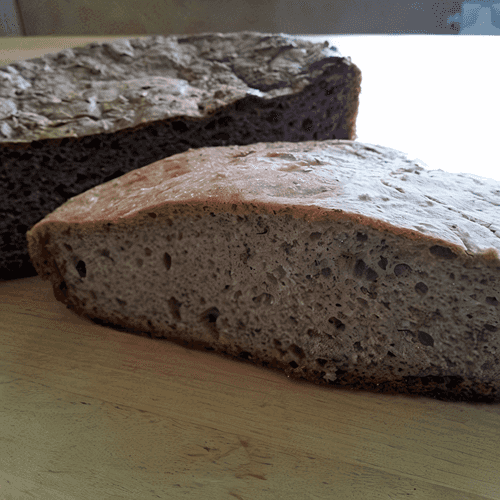
Rye sourdough bread is an ancient art of Russian cuisine, where each loaf carries the history of generations. This bread has a rich, slightly sour taste, a soft yet elastic crumb, and an aromatic crust. Its preparation is a slow, careful process based on natural fermentation that gives the bread its unique flavor and benefits. It contains no sugar or yeast—only natural ingredients and the patience of the master. It is important to let the bread 'rest' after baking to fully develop its flavor. It serves as an ideal base for sandwiches and pairs well with both savory and sweet dishes. This is not just bread—it is part of cultural heritage that fosters respect for traditions and quality products.
6
10
120

Natural rye sourdough is the foundation of traditional Russian bread baking with roots going back centuries. This living, natural starter allows for the creation of aromatic, rich bread with a unique tangy flavor and dense, airy texture. Preparing the starter is a ritual that requires patience and care since it is like a living organism that needs to be fed and maintained. The use of rye flour gives it a deep, rich taste while regular feedings help it retain its properties over time. This sourdough is perfect for baking homemade bread that is not only delicious but also healthy—rich in natural probiotics and enzymes that aid digestion. This recipe pays homage to the ancient traditions of Russian cuisine and the craftsmanship of bakers.
2
4
600
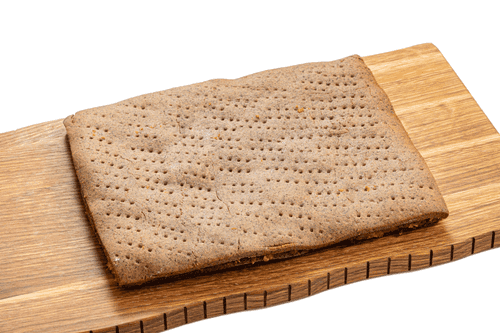
Recipe from Vlad Piskunov, brand chef of the Matryoshka restaurant.
15
10
60
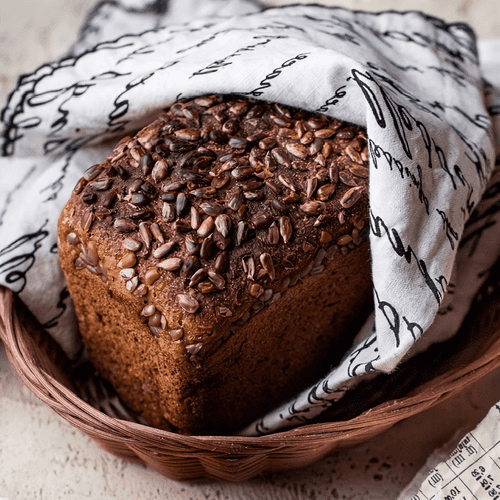
Rye sourdough bread is a symbol of traditional Russian cuisine, embodying centuries-old baking traditions. Its dense, rich flavor with a slight tang and nutty sunflower notes makes it an ideal addition to any table. Historically, rye bread was a staple in Rus', valued for its heartiness and benefits. Made with sourdough, it has natural fermentation that improves digestion and reveals depth of flavor. This bread is not just food but part of culinary heritage that brings warmth and comfort to the home.
6
7
240

The recipe is taken from the book "The North Warms" by Rashid Rakhmanov, published by "Eksmo". "Mushrooms have always had a place of honor in Russian national cuisine. They occupied it not only on the peasant's table, but also on the royal table. Salted mushrooms were especially prized - aromatic milk mushrooms and saffron milk caps smelling of fresh pine needles. Soups were cooked from mushrooms, they were added to cabbage soup. Pies with mushrooms were also very popular. Gubnitsa is a mushroom soup, gribovnitsa. The soup got this name because in the Vyatka region, as well as in the Russian North in general, mushrooms were called lips. They say that the birthplace of gubnitsa is Vyatka, and this soup was first cooked in the northern part of the Vyatka province. In the traditional version, the soup is cooked from porcini mushrooms, aspen mushrooms and birch boletes. You can cook it from frozen mixtures, but nothing compares to the taste of fresh seasonal mushrooms. So as soon as you see grandmothers offering to buy these mushrooms at the end of summer and beginning of autumn, be sure to take advantage of the moment and prepare a real Vyatka Gubnitsa
14
8
45
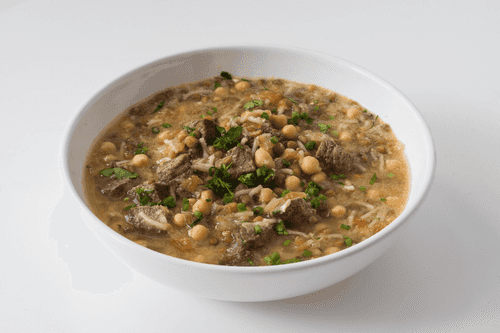
Recipe from Ilya Cherkashin, chef of Levantine Fire Cuisine Bar.
21
12
120
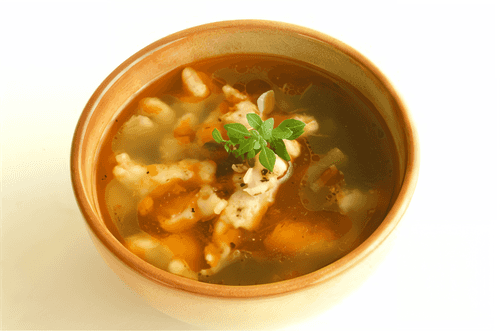
Pursalada is a traditional Basque soup that has found a special place in Norwegian cuisine due to its simplicity and rich flavor. The base consists of tender cod fillet, adding a light sea note. Leeks add gentle sweetness, while potatoes make it thick and hearty. This soup is perfect for cold days, warming with its aroma and rich texture. It is slowly cooked to allow the ingredients to meld into a harmonious taste and can be served with rye bread or a light salad to highlight its freshness.
5
6
90
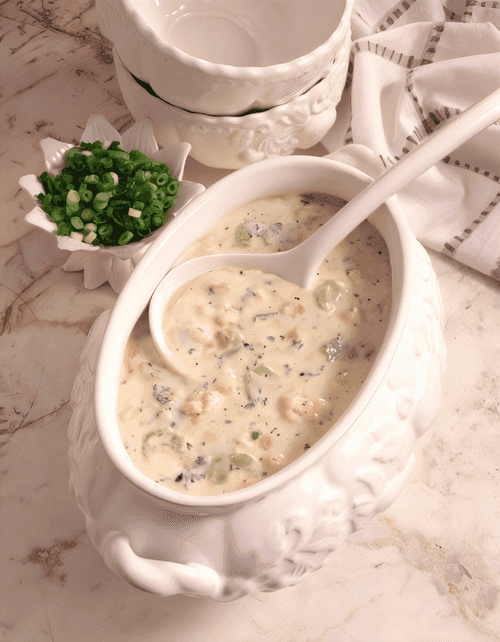
Creamy oyster soup with rye bread is the embodiment of sophistication in American cuisine, especially popular in coastal regions. Its history dates back to the times of the first European settlers who valued oysters for their delicate taste and nutrition. This soup has a velvety texture due to high-fat cream and a light spiciness from lemon juice and freshly ground pepper. Oysters add a marine accent, creating an exquisite balance between richness and freshness. Traditionally served with rye bread, whose dense aroma perfectly complements the creamy base of the soup. The dish is ideal for a cozy dinner on a cool day or as an exquisite appetizer at a formal dinner. Enjoy its refined flavor while diving into the gastronomic heritage of the American coast.
8
4
25
Jerusalem artichoke soup with rye croutons is a delicate and aromatic culinary masterpiece of author cuisine. The Jerusalem artichoke, known for its subtle sweet note and light nutty undertone, reveals the depth of flavor in this dish, acquiring a creamy texture thanks to the combination with milk. Rye croutons add an appetizing crunchy contrast, enriching the dish with a pleasant bread aroma. This soup not only warms on cold days but also nourishes due to the beneficial properties of Jerusalem artichoke. Its soft taste harmonizes with the light spiciness of black pepper and the freshness of parsley. It is suitable as a light lunch or dinner and is an ideal choice for those seeking unusual yet simple-to-prepare dishes with deep flavor and character.
6
8
40
Cabbage soup with sauerkraut and rye sauté is a traditional Russian dish that warms the soul and body. The roots of the recipe go back to ancient times when cabbage soup was a staple of peasant diet. Sauerkraut gives the soup a characteristic sourness that harmonizes with rich beef broth. Rye sauté thickens the soup, making it more intense. The flavor is rich and layered—sour-sweet notes of cabbage, aromatic meat base, tenderness of potatoes, and subtle graininess of rye flour create a perfect combination. This soup is served hot, garnished with sour cream and fresh herbs. It tastes good on the first day and even better after steeping when its flavor deepens.
14
12
300
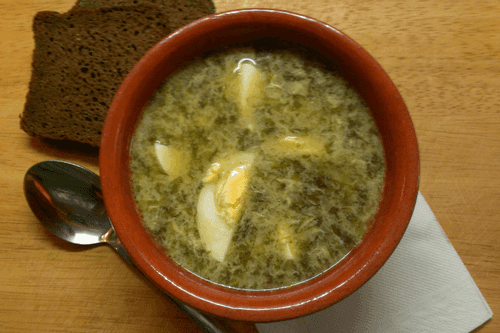
Polish sorrel soup is a true culinary legend of Polish cuisine where simplicity meets rich flavor. This soup, favored by villagers, has long been considered a spring gift when sorrel comes to life after winter's chill. Its refreshing sour taste harmonizes with the creamy texture of potatoes and sour cream, while eggs add tenderness and nutrition. It is made with meat broth, giving it depth of flavor, and beaten eggs poured in a thin stream create a velvety consistency. Served with quarters of boiled eggs, it transforms into a hearty dish that warms the soul. This soup is perfect for a spring lunch, delighting with freshness and lightness.
7
4
60
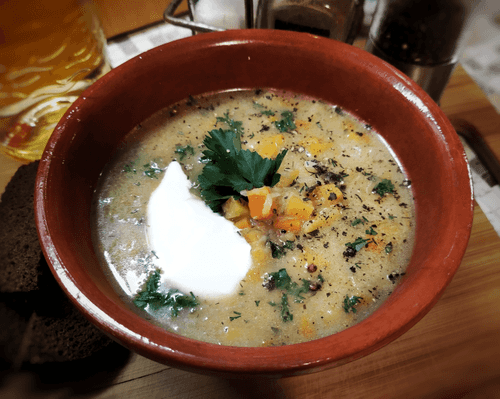
Polish cucumber soup is a traditional dish of Polish cuisine with a unique sweet-sour taste thanks to pickled cucumbers and their brine. Historically, this soup emerged as a way to use available ingredients while giving them rich flavor and nutrition. Chicken broth adds depth to the dish, while vegetables like carrots, turnips, and potatoes provide texture. Rye flour makes the soup thick and hearty, while sour cream softens the acidity of the cucumbers for a harmonious blend. This soup warms well in cold weather and exemplifies balanced cooking – it is nourishing, refreshing, and light at the same time. Serving with dill enhances its aroma and adds freshness. Such soup is often served at family lunches and its taste evokes warm memories of home cooking.
12
10
90




















