










Recipe Catalog
Recipes with all the words: 1. Next come recipes that match some of the words

Viennese bread (Pain viennois) is a refined representative of the Austrian baking tradition, characterized by its soft, slightly sweet taste and delicate airy texture. Its history dates back to the 19th century when Austrian bakers sought to create bread with French charm but adapted to local preferences. This bread is perfect for morning breakfasts, exquisite sandwiches, or simply enjoying on its own. Its thin, golden crust adorned with characteristic slashes makes it not only appetizing but also aesthetically pleasing. Viennese bread pairs wonderfully with butter, jam, or even light creamy cheeses, turning every morning into a gastronomic delight.
7
10
140

Pain de mie is a classic French bread with a soft and tender crumb, perfect for making toasts, sandwiches, and hot sandwiches. Its history is rooted in French gastronomic tradition, where bread was a symbol of daily meals. With the addition of milk and butter, this bread has a subtle creamy flavor and light sweetness, while its dense yet airy texture makes it ideal for toasting. Pain de mie is often used in restaurants and cafes for making morning toasts with jam or butter, as well as in gourmet dishes with pâtés and cheeses. This bread is easy to make at home and keeps well, remaining soft for several days.
6
12
170

Country bread, or Pain de campagne, is a soulful classic of French cuisine born in village bakeries and infused with the spirit of tradition. Its rough crust crunches with every bite while the crumb is soft and aromatic with subtle notes of rye flour. Historically, this bread was baked in wood-fired ovens where it gained its unique character. It pairs perfectly with cheeses, pâtés, and even just butter. Unpretentious and honest, Pain de campagne is a symbol of coziness and simplicity—a reminder of leisurely mornings in the French countryside where fresh bread is not just food but part of the culture.
5
12
240

Beaucaire-style bread (Pain facon Beaucaire) is a traditional French bread with a rich history from the Beaucaire region. It features a unique preparation method: the dough is folded in a special way to create an airy texture and characteristic shape. The taste of this bread is delicate, with light notes of sweetness and a pleasant wheat aroma, while the crust is golden and crispy. The use of corn flour gives it a special texture and slight coarseness, making it ideal for breakfasts and sandwiches. Beaucaire-style bread pairs wonderfully with soft cheeses, olive oil, and fresh herbs, highlighting the depth of flavors in French cuisine.
5
8
120

Viennese bread is the embodiment of Austrian baking, soft, airy, and slightly sweet. Its history dates back to the 19th century when bakers in Vienna began experimenting with yeast dough to achieve unparalleled tenderness and rich flavor. A special kneading technique allows the dough to be infused with air, and the egg glaze gives the bread an appetizing golden crust. Viennese bread is perfect for a morning breakfast with jam or honey, pairs wonderfully with coffee, and goes great with butter. In Austria, it is often served with tea or used as a base for sandwiches. Its taste is a harmonious blend of creamy softness and light sweetness, making each slice a true delight.
7
5
135

Vienna bread is a refined representative of Austrian baking tradition, featuring a soft airy crumb and a golden crust. Its history traces back to 19th century Vienna when local masters began using butter and milk to create a richer flavor and texture. This bread is distinguished by its gentle sweetness from sugar and butter, while dry milk adds special softness. It pairs wonderfully with jams, butter, or simply freshly brewed coffee. Vienna bread is ideal for both morning breakfasts and exquisite snacks, highlighting the European dining style. The aroma of fresh baking fills the home with coziness, and the soft loaf with a crispy crust makes every morning a little more special.
8
7
180

Hibiscus-dyed Easter eggs are a simple yet elegant way to give a traditional festive dish an unusual hue. Hibiscus, known for its rich ruby color, imparts a natural pink or burgundy tint to the eggs, creating an elegant and natural decor. In Russia, egg dyeing is an ancient tradition symbolizing rebirth and new life. This method is not only beautiful but also completely natural. Eggs dyed with hibiscus acquire a subtle floral aroma and a slight tartness, looking especially striking on the festive table. This dyeing method is perfect for those who appreciate natural ingredients and want to add a touch of creativity to their Easter preparations.
2
1
120

Easter eggs dyed with napkins are a traditional way to decorate eggs for the bright holiday of Easter. This method originated in Russian cuisine, allowing for unique patterns and vivid colors using simple dyes and napkins. Eggs dyed this way become true works of art, reflecting the tenderness, brightness, and festivity of the occasion. The taste remains natural – dense and rich like a boiled chicken egg – but the aesthetic aspect makes it special. Such eggs adorn the festive table, are used in traditional Easter games, and are exchanged as symbols of rebirth and good wishes. The ease of preparation and availability of ingredients make this method popular among families, preserving the spirit of creativity and joy of the Easter celebration.
2
5
40
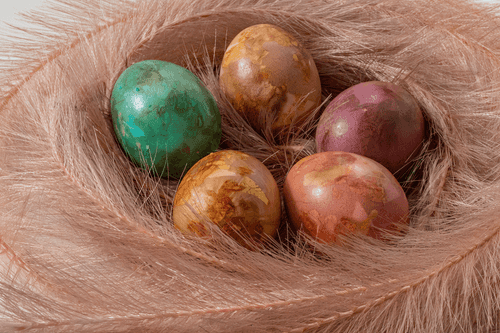
Marbled dyed eggs are a traditional Easter symbol of Russian cuisine, reflecting the richness of cultural heritage. This dyeing method gives the eggs a unique pattern resembling fine marble. Onion skins create a natural and warm hue, while using nylon stockings helps preserve the unique texture. Such eggs not only decorate the festive table but also become part of family traditions, adding special meaning to the Easter celebration. Their taste is no different from regular boiled eggs, but their shine and pattern make them particularly appealing. They are served as decorations, used in Easter treats, or given to loved ones as a symbol of spring renewal and a bright holiday.
5
5
60

Recipe by Vitaly Rossokha, chef of the grand cafe "Dr. Zhivago".
15
4
40
Viennese beef tongue is an exquisite dish of Austrian cuisine that combines the tenderness of boiled beef tongue with the rich, slightly sweet flavor of a sauce made from wine, raisins, and almonds. This dish traces back to the traditions of European gastronomy, where meat dishes were often complemented by fruity and nutty notes. The beef tongue is boiled until tender and soaked in a rich wine sauce where raisins and almonds caramelize, acquiring a distinctive aroma and a slight tang from lemon juice. In the classic version, the dish is served with dumplings, making it particularly hearty and harmonious. Viennese tongue is a gastronomic find that can surprise even the most discerning gourmet.
14
4
35

Viennese coffee with brandy is an elegant and refined combination of noble flavors. This drink draws inspiration from old French cafes that valued the luxury of simple ingredients. Bitter chocolate melted in cream creates a velvety base, while rich strong coffee fills it with depth. Brandy adds warm caramel notes and a hint of spice. The composition is completed by airy whipped cream and a sprinkle of grated chocolate, highlighting the drink's aristocratic charm. This coffee is perfect for cozy evenings or as a sophisticated finish to a meal. It not only warms but also immerses you in an atmosphere of exquisite enjoyment.
6
4
10

Chocolate Viennese waffles are a refined treat embodying European traditions. The history of Viennese waffles dates back to Austria, where they became a symbol of sophistication and morning joy. This recipe variant features a delicate texture thanks to buckwheat flour, while the rich cocoa flavor gives the dessert a noble chocolate depth. Coconut sugar adds a light caramel note, and apple puree makes the waffles soft and slightly fruity. They are perfect for breakfast or cozy tea time and pair wonderfully with berries, nuts, and honey. This recipe is suitable for both classic desserts and original culinary experiments.
11
3
40
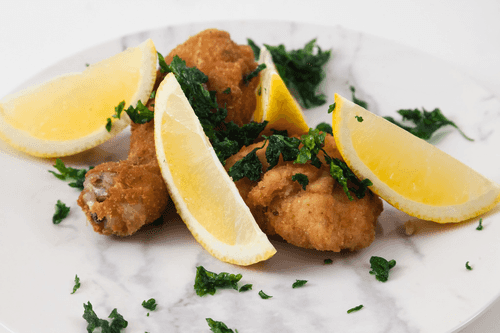
Viennese chicken, also known as backhandl. One of the recipes for all times. Pieces of poultry in breading, deep-fried.
9
6
45
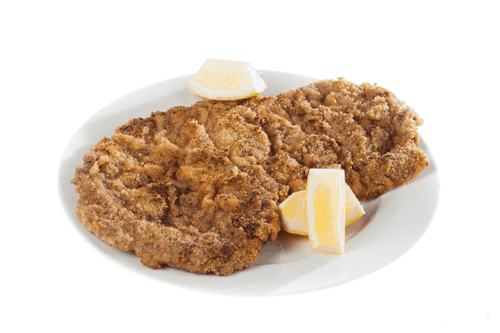
Viennese classic - schnitzel. Can be before the waltz, after the waltz - or instead of the waltz.
8
4
30