
















Recipe Catalog
No recipes contain all the words, showing recipes that match some of them

Soda pancakes are a traditional Russian dish with a tender texture and light airiness due to the addition of soda. Their history dates back centuries when cottage cheese dishes were an integral part of peasant and urban life. These fragrant cheese cakes have a crispy crust and soft center with a slightly sweet taste that can be enriched with raisins. They are served hot with jam, sour cream, or honey, creating a cozy atmosphere for home tea drinking. The versatility of the dough allows for making not only classic pancakes but also stuffed cheese pies. Soda pancakes are a simple yet incredibly delicious recipe that brings joy to anyone who appreciates traditional Russian flavors.
6
6
30

Brown soda bread with bran is a traditional European bread rooted in rural kitchen origins. Its history is tied to simple yet nutritious ingredients available to peasants who sought to create hearty and healthy bread. It has a rich nutty flavor from the bran, wheat sprouts, and oatmeal, while brown sugar adds a light caramel sweetness. Baking soda instead of yeast gives the bread a crumbly texture and unique aroma. This bread pairs excellently with butter, jams, or even cheeses, making it an ideal base for breakfast or a light snack. Its dense yet soft structure makes it versatile: it's great as standalone baking or as an accompaniment to soups and salads.
10
8
90

Soda pancakes with kefir are a classic Russian treat known for their airiness and softness. The combination of kefir and slaked soda gives the dough lightness, while butter adds a delicate flavor. These pancakes have been made since ancient times, especially in villages where kefir was used as a baking base. Their uniqueness lies in their thinness and light porosity, allowing them to absorb butter or honey well. They are perfect for breakfast or cozy family tea time. They are served with jam, sour cream, or condensed milk and sometimes used as a base for stuffed pancakes. They are easy to make and always delight – golden-brown, fragrant, and tender pancakes that evoke the warmth of home.
10
4
30

Irish soda bread is a symbol of simplicity and tradition in Irish cuisine. Its history begins in the poor rural areas of Ireland, where homemakers used available ingredients and soda replaced yeast. The bread has a dense yet soft texture and a rich flavor with a slight tang from the buttermilk. Adding nuts and raisins gives it a nutty sweetness, making it perfect for tea or coffee. This bread does not require long fermentation, and simple ingredients turn into a fragrant loaf with a crispy crust. It can be served warm with butter or jam, as well as a base for an Irish breakfast. Its preparation is not just culinary creativity but also an opportunity to touch upon Ireland's age-old traditions.
10
6
105

Traditional Irish soda bread is a symbol of hospitality and home comfort, rooted in centuries. It emerged in Ireland in the 19th century when baking soda became available, allowing for yeast-free bread. This bread has a dense yet tender texture with a slight nutty flavor from whole wheat flour. Buttermilk adds softness and a hint of tanginess, while the crispy crust makes it particularly appetizing. It's perfect for breakfast with butter and jam or as an accompaniment to hearty Irish soups. It's important to cut a cross on top—traditionally believed to 'release evil spirits' from the dough. The simplicity and accessibility of ingredients have made this bread a favorite in many homes, with its aroma filling the kitchen with warmth and coziness.
5
6
60

Lemonade from apple soda (Kolsyrad äppeldryck) is a refreshing and aromatic drink with notes of apple, ginger, and mint. This recipe has European roots and resembles traditional summer cocktails that provide energy and coolness on hot days. IKEA's apple soda gives the drink natural sweetness, while ginger beer adds a spicy sharpness and depth of flavor. The soda makes the texture light and bubbly, while mint leaves add freshness. The drink can be served as a non-alcoholic lemonade or turned into a cocktail by adding gin. This lemonade is perfect for parties, picnics, and summer outdoor gatherings, creating an atmosphere of lightness and relaxation.
6
4
10

Irish soda bread is a symbol of home comfort and traditional Irish cuisine. This bread, made without yeast, has become an indispensable part of Irish life due to its simplicity and quick preparation. Its light crispy crust hides a soft and tender crumb with subtle notes of sour milk flavor. Fragrant herbs like oregano, tarragon, and thyme give it an exquisite touch, while added raisins enrich the taste. Baked in a cast-iron skillet, it acquires a rustic character and unique texture. It pairs perfectly with butter or jam and complements Irish cheeses and meat dishes beautifully. This is bread that carries the warmth of the family hearth and centuries-old culinary mastery.
9
1
30

Rye soda bread is a simple yet incredibly aromatic product deeply rooted in European traditions. It dates back to times when yeast was not widely used, and bakers used soda to give the dough airiness. Its dense, moist structure with light sour notes from kefir pairs wonderfully with the rich flavor of rye flour. This bread is perfect for serving with soups, cheeses, or spreads, and its appetizing crust makes each slice special. Preparation takes little time and requires no complex ingredients, making it an excellent choice for those who value naturalness and convenience. A light hint of caraway or herbs adds extra depth to the flavor, while a warm slice of this bread fills the kitchen with coziness and warmth.
6
1
75

Irish soda bread made from oat flour is the embodiment of rustic charm and Irish culinary traditions. Its roots go back centuries when soda was used instead of yeast for baking in Ireland. This bread has a dense yet soft texture with a light nutty note thanks to whole grain and oat flour, while the addition of buttermilk makes it tender and slightly tangy. Oats and wheat sprouts add extra nutritional value and a pleasant grain aroma. It is perfect for breakfast or a snack, especially with thick Irish soups and creamy butter. The simplicity of preparation makes it accessible even for novice bakers, and the traditional cross cuts not only help it bake evenly but also carry symbolic meaning, protecting the home and its inhabitants.
9
6
2
Dietary pancakes made from oatmeal and sparkling water are a light, airy dish perfect for those watching their nutrition. This recipe comes from Russian cuisine, where simplicity and health benefits are traditionally valued. Oat flour, rich in fiber, gives the pancakes a tender structure, while sparkling water makes them especially porous and airy without the need for a leavening agent. The taste is mild with subtle nutty notes of oatmeal. They can be served as a standalone dish or complemented with berries, honey, or yogurt. These pancakes are a great start to the day, providing lightness and health benefits.
5
4
60
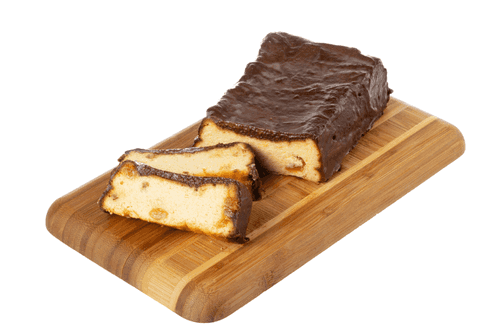
Lviv syrniki is a symbol of Lviv and as iconic a Ukrainian dessert as the Kyiv cake. These are not the usual syrniki, but rather a casserole. In the classic version, raisins and lemon zest are added to the Lviv syrniki, but there are versions with fresh berries, cocoa and even potatoes. The finished syrniki is covered with glaze and left to stand in the refrigerator for 4-5 hours before serving.
9
8
60

A recipe that got its name thanks to Zimin's powerful myth-making abilities. These are not syrniki at all and not Kuban at all - these are Moscow-Armenian khachapuriki, introduced into the editorial board by Irina Meglinskaya. The recipe quickly went to the people, and now you can even find a video on YouTube of how this original Cossack dish is prepared by the owner of Moscow Armenian recipes Gayane Breiova.
7
6
30

Syrniki - a story about the perfect breakfast. The story is even somewhat religious: to fry or to bake? With flour or without? These disputes easily bring to a white heat - except perhaps for those who prefer scrambled eggs. This recipe calls for adding flour, frying, and baking. And these syrniki are also sprinkled with pepper, so that they awaken the appetite even in those who do not eat fermented milk products at all
13
2
15

In the book by Vlad Piskunov "Russian cuisine. The best in 500 years" this recipe is called "Syrniki knizhkoyu". The name is taken from the classic book on housekeeping by Pelageya Aleksandrova-Ipatyeva and is explained very simply: in the old days, any pancakes made with milk and its derivatives were often called syrniki (and what we all thought of were cheese pancakes), and why a book - apparently, the pancakes folded into a triangle resembled stitched together notebooks. In fact, a very convenient recipe: buy 2 liters of milk, ferment for a couple of days - and now both the whey for the dough and the cottage cheese for the filling are ready.
9
6
60

Ural chef Vladimir Olkinitsky, who shared this recipe with us, believes that ideal syrniki are made from 5% fat cottage cheese. It is easy to verify this - you can easily find the original product in the store. Vladimir Olkinitsky, chef of the dumpling house "Zames" in Yekaterinburg, shared the recipe with us.
6
1
15




















