






Recipe Catalog
Recipes with all the words: 3. Next come recipes that match some of the words
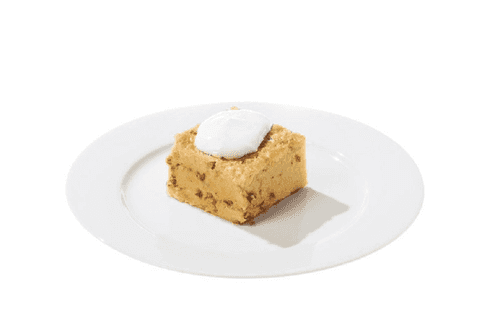
The basis of Lithuanian cuisine is potatoes and bacon, and they are used to make, among other things, a casserole called kugelis. Kugelis is eaten with sour cream, which goes well with potatoes, as well as with apple sauce or lingonberry jam, which go well with bacon. It is easy to prepare - just mix all the ingredients, but it will take time and company to peel and grate two kilograms of potatoes.
7
8
130

Potato kugel is a traditional Jewish dish that brings warmth and comfort to family dinners. Its history dates back centuries when Jewish housewives prepared it for the Sabbath table. The main ingredient, potato, gives the casserole tenderness and rich flavor, while onion and spices add zest. Baked to a golden crust, it becomes crispy on the outside and soft on the inside. Potato kugel can be served as a standalone dish or as a side to meat and fish. Its aroma filled with notes of roasted onion and seasonings provides a sense of comfort. It is perfect for family dinners and festive meals, and its simple ingredients make it accessible to everyone.
7
6
60

The recipe is taken from the book "Cuisines of the World. Jewish cuisine.
6
4
90

Noodle kugel with cream cheese, nuts, and cinnamon is a traditional Jewish dish that combines the delicate texture of noodles with a rich creamy flavor and the aroma of cinnamon. This recipe traces back to Ashkenazi Jewish communities where kugel was a beloved family dish served on Shabbat and holidays. Baked nuts create a crunchy caramelized base while cream cheese and sour cream add richness and softness. Subtle notes of vanilla and cinnamon make the taste warm and cozy, perfect for family gatherings. Kugel can be served hot straight from the oven as a main dish or sweet side that pairs wonderfully with fruits or honey. This tender and aromatic dessert evokes memories of home comfort and traditions passed down through generations.
10
12
120

Apple kugel with matzo is a traditional dish of German cuisine that combines the sweetness of baked apples, the tenderness of matzo, and the aroma of cinnamon. Historically, kugel originated as a Jewish dish but its variations spread across different cuisines worldwide. In this recipe, apples are caramelized with brown sugar and orange juice while matzo adds a light texture. Butter makes it especially soft and juicy, and raisins and apricots add fruity richness. Kugel is perfect for both family dinners and festive tables. It is good warm or chilled and can be served with cream or ice cream. Each spoonful of this dish brings comfort and warmth, creating an atmosphere of home hospitality that evokes memories of traditions and family gatherings.
11
8
30

Polish immigrants call it kigel, Germans call it kugl, and Lithuanians call it kugel. But all the same, it is one and the same dish, existing in countless variations, tastes and types, like everything folk and homemade. Kugel is something between a casserole and a pudding, and sometimes, in a festive version, layered with curd cream, it is close to a cake. According to the most common version, the name goes back to the word "ka-igul", which in Aramaic meant "round", and the dish itself arose due to the ban on lighting a fire on Shabbat - kugel was baked the day before, so as not to deprive yourself of the pleasure of a hearty lunch on Saturday. Kugel can be made with noodles, potatoes, dried fruits, stale bread with apples, sweet or spicy. We have chosen one of the most authentic options - from noodles, which even cold or reheated in the microwave the next day will not lose any of its taste.
12
8
80
Cottage kugel is a traditional Jewish dish that combines the tenderness of cottage cheese, the sweetness of raisins, and the aroma of cinnamon. Its history traces back to Ashkenazi cuisine, where kugel was originally made as a casserole from noodles or potatoes. Over time, the recipe was enriched with dairy products, acquiring a creamy texture and rich flavor. This dessert version is perfect for breakfasts or family dinners, filling the home with a cozy aroma. Crispy cornflakes baked with butter add an appetizing crust, while the combination of egg noodles and cottage cheese makes it surprisingly tender. Served warm or chilled, it remains a favorite treat for holidays and special occasions.
11
6
50
Orange kugelhopf cake is a refined dessert of European cuisine that impresses with its airy structure and rich citrus aroma. This cake has its roots in Austria, where the traditional fluted ring shape adds elegance to the bake. The flavor combines the sweetness of caramelized sugar, the tenderness of butter, and the bright freshness of orange, creating a harmony that delights and invigorates. Soaked in syrup, it gains special juiciness and intensity of flavor, making it an ideal complement to a cup of fragrant tea or coffee. The uniqueness of this cake lies in its versatility: it is suitable for both cozy family tea times and festive treats. Its vibrant color and citrus aroma invariably create an atmosphere of joy and warmth.
8
8
90

The recipe is taken from the book "Cuisines of the World. Jewish Cuisine.
8
6
120

The recipe is taken from the book "Cuisines of the World. Jewish cuisine.
7
4
40

This is how they cook stew in the Khleb Nasushny chain. This is a simple recipe, the proportions of which can be intuitively moved in any direction: you can add more meat or more vegetables, as you like. The main thing is to choose the right meat - it should be a shoulder or a sirloin. The meat will have to simmer for a long time, in the end it will be very tender and will almost fall apart into fibers. Recipe from the chef of Khleb Nasushny Evgeny Vasilenko.
13
4
200
Fried potatoes and sweet potatoes with sage is a harmony of flavors born at the intersection of simplicity and sophistication. This recipe embodies the traditions of European cuisine, combining the natural sweetness of sweet potatoes with the rich taste of regular potatoes. Sage leaves baked with the root vegetables add a subtle herbal aroma and a slight bitterness, balancing the dish's flavor. The crispy crust and soft, tender center make this dish perfect as a standalone treat or as a side to meat and fish. It suits both everyday dinners and festive tables, with its warm, cozy taste especially delightful on cool evenings. The ease of preparation and accessible ingredients make this recipe popular among lovers of natural and aromatic dishes.
6
6
50

Bombay potatoes are a classic Indian dish infused with the aromas of spices and the warmth of home cooking. Its history traces back to the streets of Mumbai, where street vendors skillfully transform ordinary potatoes into a delightful side dish. Large chunks of potato fried in a mix of cumin, coriander, and turmeric absorb the richness of the spices, creating a deeply rich flavor. Ginger and garlic add brightness to the dish, while the spiciness of chili peppers awakens the appetite. Fresh tomatoes are added at the end to soften the sharpness of the spices and bring a pleasant tanginess. Bombay potatoes pair perfectly with curry or serve as a standalone snack. Their characteristic golden crust and rich aroma make this dish indispensable on an Indian table, reminiscent of warm evenings spent over heartfelt meals.
12
4
30

Recipe by Igor Mardasov, chef of the Harvey & Monica restaurant. Potatoes in two forms at once - in the form of pancakes and thin crispy straws. Pancakes are prepared without flour, and due to the different caliber of grated potatoes, they look interesting and do not fall apart in the pan. As for the potato pie, we have an Asian variety of potato chips that can enliven the landscape of steaks and salads, and also be a decoration for stewed dishes.
12
4
15
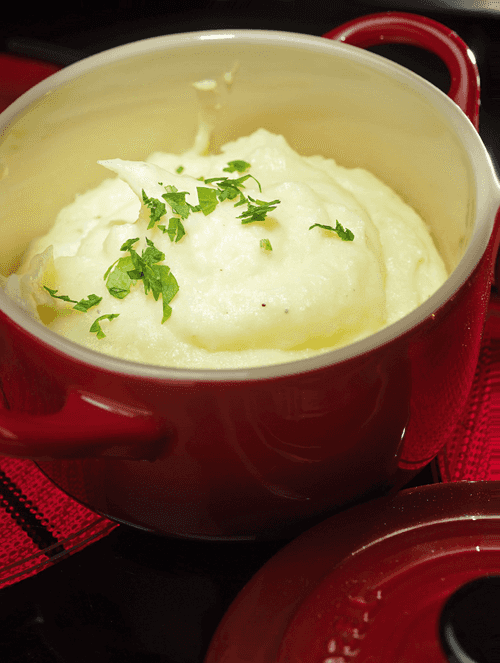
Joel Robuchon means about the same to French cuisine today as Academician Likhachev did to the Soviet humanitarian intelligentsia. Robuchon has all the highest state awards and the title of chef of the century, a living classic. Mashed potatoes according to the recipe of Joel Robuchon, it must be said, are almost more famous than Robuchon himself, especially in Russia. The only thing that is not entirely clear to the Russian taste is nutmeg. The French always add it to potatoes, and for no apparent reason. Robuchon explains this by the history of disgust for potatoes, which the French could not digest for a long time.
5
5
120