











Recipe Catalog
No recipes contain all the words, showing recipes that match some of them

Lamb pilaf with fruits is a refined dish of Azerbaijani cuisine, where traditional Eastern flavors harmoniously blend with fruity sweetness. The roots of this pilaf trace back to ancient times when nomadic peoples infused food with rich aromas by adding dried fruits. Lamb soaked in melted butter becomes tender and juicy, while the rice absorbs the meat juices, gaining a deep rich flavor. Raisins and prunes add delicate sweetness, highlighting the spiciness of bay leaves and onions. This pilaf is not only nutritious but also perfect for festive feasts, impressing guests with its rich aroma and unique texture.
7
4
30

Lamb and dried fruit pilaf is a luxurious dish of Turkish cuisine that delights with its combination of spices, tender meat, and sweet notes of dried fruits. The history of pilaf dates back to ancient Eastern traditions where it symbolized abundance and solemnity. In this version, the lamb gains a rich flavor from frying with tail fat, while cumin and saffron reveal the aroma of spices. The dish's uniqueness lies in the combination of the sweetness of apricots, dates, and prunes with the spiciness of barberry. This pilaf is perfect for festive tables or family dinners; it is rich and soulful. The rice absorbs the meat juices and spices, creating a harmonious flavor composition. It is best served hot with herbs and yogurt sauces that highlight its sophistication.
16
2
35
Rice pilaf with fruits and vegetables is a refined dish of Russian cuisine that combines the tenderness of rice with the rich flavors of prunes, raisins, and stewed vegetables. This recipe originates from the traditions of Russian home cooking, where the combination of sweet and salty ingredients creates a harmonious flavor bouquet. Rice cooked in a water bath acquires an airy texture, while butter adds tenderness. Long stewing with carrots and cauliflower reveals the aromas of the ingredients, making the dish incredibly rich. Pilaf can be served as a standalone dish or as a side to meat. It is perfect for a cozy family dinner or festive table, adding special warmth and richness to the dining experience.
7
4
30

Sweet pilaf with dried fruits and nuts is a true gastronomic delight, combining tender basmati rice, honey sweetness, and rich flavors of dried fruits. The origins of such a dish can be found in the traditions of Eastern cuisine, where pilaf is often prepared in both savory and sweet versions. Here, dried persimmon, apricots, and raisins provide a harmonious fruity tartness, while nuts add a pleasant crunchy texture. Butter and honey give the pilaf softness and richness. The dish is perfect for a cozy family dinner as well as for a festive table. It is especially good in cold weather when warmth and energy are desired. The ease of preparation makes this pilaf accessible to any cook, and its taste lingers long in memory.
11
5
70
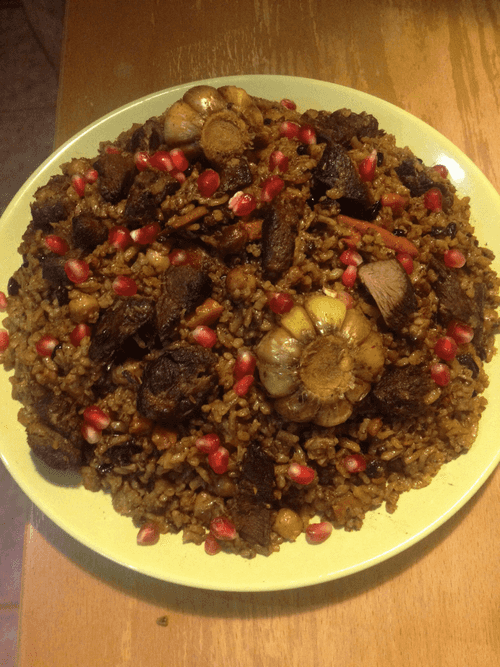
Uzbek pilaf with lamb and chickpeas is a true culinary art that embodies the traditions of Central Asia. It dates back to ancient times when caravan drivers cooked it over an open fire, combining meat, rice, and spices into a fragrant dish. Juicy lamb fat permeates each grain of rice, creating a rich and deep flavor. Chickpeas add a delicate nutty note while barberries and raisins contribute a light sweetness. The main feature is the adherence to stages: first frying the meat and vegetables, then cooking the zervak before carefully adding the rice. Slow simmering reveals the full palette of flavors, and serving it on a large lagan with golden pieces of meat and soft garlic heads makes it a true celebration. This pilaf is not just food but a symbol of hospitality and Uzbek cuisine.
14
12
120
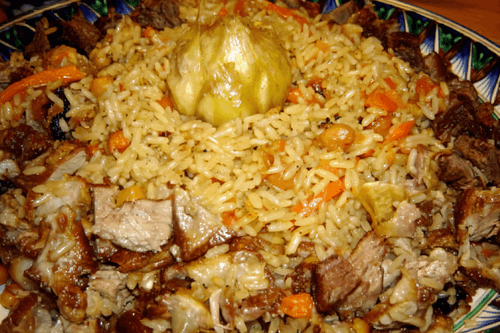
Uzbek pilaf with lamb and barberry is not just a dish but a true culinary masterpiece rooted in the ancient traditions of Central Asia. Its rich, intense flavor comes from a harmonious blend of aromatic spices, juicy meat, and tender devzira rice that absorbs all the juices of the ingredients. Barberry adds a tangy sourness, while garlic and cumin provide depth to the taste. The dish is cooked in a kazan, which creates a characteristic golden hue and rich texture. Uzbek pilaf is perfect for festive gatherings and warm family lunches, enjoyed with fresh vegetables and herbs. It symbolizes the hospitality and generosity of Eastern cuisine, leaving unforgettable impressions on everyone who tries it.
12
10
80

Azerbaijani pilaf with lamb and chestnuts is a true culinary masterpiece that embodies the rich traditions of Azerbaijani cuisine. This dish is known for its harmonious blend of aromatic spices, tender lamb, sweet dried fruits, and the nutty flavor of chestnuts. The pilaf turns out fluffy while the gasmah has a golden, crispy crust that adds a unique texture. The history of this pilaf dates back centuries when Eastern traders brought exotic ingredients that enriched local recipes. It is eaten with Eastern bread by dipping pieces into fragrant broth and also washed down with tart pomegranate juice. It is not just a dish but a symbol of hospitality that brings together loved ones and friends at the table.
9
8
80

Sweet pilaf with pumpkin and fruits is an unusual combination of traditional pilaf and the sweet aromas of fruits. Its origin may be linked to the culinary traditions of European cuisine, which values the balance of flavors and the tenderness of textures. This dish combines the softness of pumpkin, the tartness of quince and apples, the sweetness of raisins, and the creamy richness of butter. Its preparation is an art of layers where each ingredient reveals its flavor, infusing the rice with rich aromas. Serving such pilaf is true gastronomic poetry: it can be both a dessert and an unusual main dish for special occasions. Ideal for cozy family evenings where a bit of sweet comfort is desired.
6
4
30

Bukhara pilaf with dried fruits is a refined dish of Uzbek cuisine that embodies rich Eastern traditions. Its roots trace back to ancient Bukhara, where pilaf has always been a symbol of hospitality and prosperity. This variant is special because it includes dried fruits like raisins, apricots, and prunes alongside traditional ingredients, giving the pilaf a unique sweet note. The harmony of flavors between the sweetness of the fruits, the richness of the spices, and the tenderness of steamed rice makes it truly festive. The pilaf is cooked in a cauldron where vegetables, spices, and dried fruits release their aroma in boiling oil. It is traditionally served hot and garnished with greens. Bukhara pilaf pairs perfectly with fermented dairy drinks and fresh vegetables, turning the meal into a gastronomic delight.
11
7
60

Pilaf with pomegranate, dried fruits, and thyme is a refined dish of Armenian cuisine that embodies the warmth of Eastern traditions and a richness of flavors. Its origin is linked to ancient Armenian recipes where the combination of fruits and spices imparted a noble aroma and depth to the food. This pilaf has a unique texture: fluffy basmati harmoniously blends with soft pieces of apricot, crunchy pistachios, and juicy pomegranate seeds. Thyme adds a subtle, slightly spicy note to the dish while butter deepens the flavor. Such pilaf is perfect for festive dinners and family gatherings where it’s important to emphasize an atmosphere of coziness and hospitality. It can be served as a standalone dish or as a side to meat, creating a magnificent palette of tastes and aromas.
10
4
40

Fruit pilaf in a multicooker is an exquisite version of the traditional Uzbek dish that combines the sweetness of fruits with the rich flavor of nuts. This dish may trace back to Eastern culinary traditions where the combination of rice with dried fruits and nuts was used to impart a special aroma and taste. The tenderness of apples, the citrus freshness of oranges, the sweetness of apricots and raisins, the richness of prunes, and the light caramel notes of honey create a harmonious blend, while walnuts add textural depth. This pilaf is perfect as a festive dish that can surprise guests with its originality or as a cozy family treat. Thanks to the multicooker, it is prepared without hassle, and its sweet taste pairs wonderfully with a cup of fragrant tea.
8
4
60
Uzbek pilaf with lamb is a true gem of Eastern cuisine, embodying the richness of flavor and tradition. The origins of this dish date back centuries, linking it to caravans traveling along the Silk Road. The main focus is on tender lamb infused with the aromas of cumin and pepper, enriched with sweet carrots and the softness of devzira rice. Each ingredient is carefully selected to create a perfect balance of flavors: from savory to slightly sweet. Cooked in a kazan over low heat, the pilaf acquires a rich taste and appetizing fluffy texture. It is served hot, garnished with fresh herbs and crunchy vegetables, making it not only filling but also aesthetically pleasing. Uzbek pilaf is not just food; it's a gastronomic journey to the heart of the East.
9
4
60
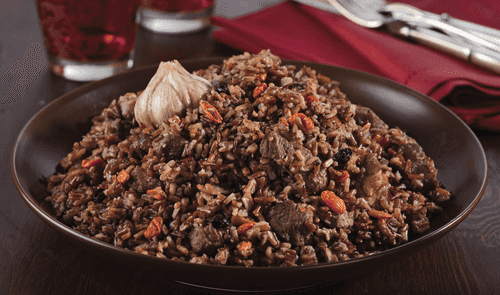
Lamb pilaf with goji berries is a luxurious dish of Kazakh cuisine that combines ancient traditions with modern notes. The devzira rice soaked in the aromas of cumin, spices, and slow-cooked meat gains a rich flavor, while goji berries add a subtle sweet tang and fresh nuances. The lamb, tenderly cooked in its own juice with onions and carrots, becomes soft and juicy, perfectly complementing the texture of the rice. Barberry and cayenne pepper bring spiciness, while garlic adds depth to the dish's flavor. This pilaf is not just food but a true gastronomic symphony that unites Eastern traditions with exotic accents and is ideal for festive gatherings where every detail matters. It is best served hot, garnished with herbs and leaving garlic heads for true gourmets.
14
6
180

Indian-style pilaf with lamb, known as biryani, is a culinary art born from the rich traditions of Indian cuisine. Its vibrant flavor and aroma result from a complex dance of spices: garam masala, cardamom, coriander, and saffron create a warm spicy depth complemented by tender lamb. The yogurt marinade tenderizes the meat while the spice-infused basmati adds an airy lightness to the dish. Biryani is traditionally served with mint yogurt and chopped cilantro for added freshness and balance. This pilaf symbolizes luxury and comfort; it is prepared for celebrations and special family evenings when food becomes not just sustenance but a true delight.
23
6
60

Lamb shoulder pilaf is the soul of Uzbek cuisine, a symbol of hospitality and family comfort. Its history dates back to ancient times when Silk Road caravans brought spices and traditions of nomadic peoples. Lamb gives the pilaf a rich meaty flavor, carrots add gentle sweetness, and garlic and spices provide aromatic zest. During cooking, the ingredients simmer together, creating a harmony of flavors. Pilaf is eaten hot, often complemented with fresh vegetables and herbs. It is perfect for festive gatherings and cozy family lunches. Juicy, fluffy, infused with Eastern aromas – such pilaf not only satisfies but also transports you to an atmosphere of Eastern fairy tales.
9
12
120