

















Recipe Catalog
No recipes contain all the words, showing recipes that match some of them

Linguine with mussels in Japanese style is a refined blend of European pasta with the aromas of Japanese cuisine. This recipe combines tender shellfish, savory shiitake mushrooms, and the rich flavor of sake, creating a harmonious dish filled with umami. The light spiciness of chili powder adds depth to the taste, while garlic provides a spicy accent. Soy sauce softens the ingredients, binding them into a cohesive ensemble, and butter envelops the linguine in a silky texture. Delicate strips of nori and fresh chives complete the composition, highlighting the dish's Japanese roots. It’s an ideal choice for those who love a combination of seafood and spicy notes.
11
4
50

Mussels marinara with linguine is an elegant dish of European cuisine inspired by Italian traditions. It combines the delicate sea flavor of mussels cooked in a fragrant tomato sauce with white wine, garlic, and onions. The linguine soaked in rich sauce perfectly complements the seafood, creating a harmony of textures and flavors. This recipe is ideal for a Mediterranean-style dinner, especially with a glass of white wine. The ease of preparation makes it accessible even for beginners, while fresh herbs like basil and parsley add brightness to the taste. The dish is served hot straight from the pot to preserve all the richness of aroma. It embodies the atmosphere of seaside restaurants in Italy where simplicity of ingredients meets sophistication of flavor.
12
4
30
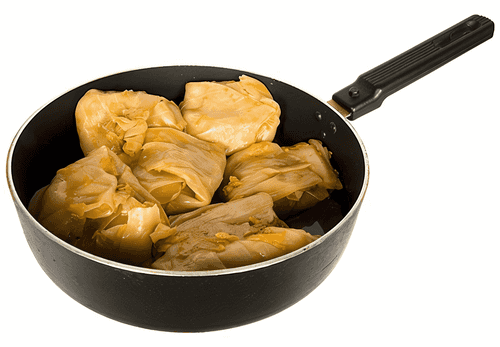
Cabbage rolls with beef, pork, green onions, and chili are a refined dish of Japanese cuisine that combines the tenderness of stewed cabbage with the rich flavor of minced meat. The origins of this recipe trace back to traditional Japanese cooking techniques where ingredients are carefully balanced for harmony of flavors. The delicate combination of beef and pork with the spiciness of chili reveals the dish's complexity, while the aromatic dashi broth adds depth to the taste. Mirin and sake bring a light sweetness, making the texture of the rolls even softer. This dish is perfect for a cozy family dinner or as an elegant treat for guests, showcasing the art of Japanese gastronomy.
13
2
35

Steamed dorado with ginger oil and cilantro in Japanese style is a harmony of flavors and textures characteristic of Japanese cuisine. The tender, soft meat of the steamed fish retains its natural juiciness, while the aroma of fresh ginger and cilantro adds lightness and freshness to the dish. Drizzling with hot ginger oil gives a subtle crispy note, softening the vegetables, while drops of soy sauce reveal the umami component. This dish is not only elegant in presentation but also nutritious, as steaming preserves maximum nutrients. This method of cooking fish is popular in Japanese culture, where balance of flavors and minimalism in ingredient processing are valued. Dorado enhanced with ginger oil becomes a refined gastronomic delight that pairs perfectly with a light side dish and a cup of green tea.
7
2
25

Japanese-style salmon is an exquisite dish inspired by traditional Japanese cuisine, combining the freshness of seafood and a delicate balance of flavors. The lightly salted and tender salmon becomes the focal point of this recipe. It harmoniously blends the softness of rice, the creamy texture of avocado, and the crunchy notes of fresh cucumber. The dish embodies the concept of Japanese gastronomy—minimalism and attention to detail. Historically, fish rolls originated from ancient Japan where fish preservation methods in rice were used and eventually evolved into popular sushi and rolls. Japanese-style salmon is perfect for a light dinner or festive table, especially accompanied by soy sauce that adds depth to the flavor. This elegant, refreshing yet rich dish will delight lovers of Japanese delicacies.
5
4
25

Beef with bell pepper 'Japanese style' is a harmonious blend of tender meat with spicy Eastern notes. Despite the name, the dish is inspired by Japanese cooking techniques but adapted to European tastes. The beef is infused with the rich aroma of soy sauce, sautéed until golden brown, and complemented by sweet bell peppers. Ginger and garlic add zest to the dish, while a pinch of cayenne pepper adds a slight heat. Brown sugar balances all flavors, creating a perfect palette. It can be served with rice, making it a complete main dish or as an independent appetizer sprinkled with sesame seeds. This dish is suitable for both everyday dinners and special occasions when you want to impress guests with exquisite flavors that have a hint of the East.
8
4
40
Linguine with clams and chorizo in Spanish style is a passionate blend of Mediterranean flavors where exquisite seafood harmonizes with spicy chorizo and aromatic white wine. This recipe originates from sunny Spain, where fresh clams are often used in traditional cuisine. The combination of clam meat, tomatoes, and spices creates a rich, vibrant sauce that beautifully coats the delicate linguine pasta. The dish has a rich, slightly spicy flavor with hints of smokiness from the chorizo and a refreshing acidity from the white wine. Perfect for a romantic dinner or festive gathering, it evokes the feeling of a warm Spanish evening filled with aromas of the sea and spices.
13
6
30
Norwegian blue mussels are a true embodiment of marine flavor, wrapped in creamy tenderness and the aroma of fresh herbs. This recipe, inspired by the traditions of Norwegian fishermen, combines the natural taste of the ocean with rich notes of white wine, shallots, and fennel. Mussels cooked in a creamy broth acquire a velvety texture, while added chili pepper gives a slight spiciness. The dish pairs perfectly with fresh bread that can be dipped into the fragrant broth. In Norway, such mussels are often served in seaside restaurants, enjoyed amidst the sound of waves and gentle sea breeze. It is not just food but a whole gastronomic story reflecting the love of northern peoples for seafood and the art of turning simple ingredients into a culinary masterpiece.
10
4
25
Japanese broth with eggs and caviar is a refined combination of flavors characteristic of traditional Japanese cuisine. The soup base is a rich broth made from seaweed, complemented by salty notes of soy sauce and aromatic tuna flakes. Thickened with corn starch, it acquires a delicate, velvety texture. Whipped eggs added at the final stage create soft swirls, while red caviar adds an exquisite depth of flavor to the dish. This soup is especially popular in winter months when it warms and fills the body with heat. It is perfect as a light yet nutritious dinner, combining simplicity with gastronomic elegance. Garnished with fresh herbs, it not only pleases the eye but also provides true enjoyment for every gourmet.
9
3
20
Japanese-style dip is a harmonious blend of traditional Japanese ingredients that creates a rich, aromatic, and slightly sweet flavor. Nuts, sesame, and onion add depth and texture while apple and honey provide a light fruity note. Mitsukan sauce and mirin enrich the dip with subtle umami tones, while soy sauce and sesame oil complete the composition with a rich Eastern aroma. This dip is perfect for vegetables, snacks, and even seafood, adding complexity and richness to them. Its origin can be linked to the Japanese philosophy of flavor balance where sweet, salty, sour, and umami combine. Such a dip can easily become the highlight of your table by adding a touch of Eastern perfection to any dish.
11
4
15
Japanese-style rice salad is a light and fragrant dish that perfectly combines healthy ingredients and traditional Japanese flavors. The base of the salad is fiber-rich brown rice, harmoniously complemented by fresh vegetables, tofu, and a spicy miso dressing. Key elements are nori and black sesame, which give the dish its characteristic umami taste. The recipe's origins trace back to Japanese cuisine, where the balance of flavors and health benefits are always in focus. This salad works well as a standalone dish or as an accompaniment to a main meal. It can be served at room temperature, enjoying the rich texture and exquisite combination of sweet honey, tangy vinegar, and spicy miso paste. Such a dish embodies the Japanese principle of harmony in food.
15
6
40
Japanese-style pickled cucumbers are an exquisite blend of fresh cucumber, the piquancy of soy sauce, and delicate sea notes of wakame. This recipe embodies the spirit of Asian cuisine, transforming simple ingredients into a refined dish. Hand-broken cucumbers absorb the sweet-sour nuances of rice vinegar, while the light crunch of carrots adds textural harmony. This refreshing and light treat is perfect for summer days or as a side to richer dishes. Brief marination preserves the natural freshness of the ingredients, and chilling before serving enhances their flavor qualities. Such a salad is served as an appetizer in Japanese restaurants, complementing the main dish with its tenderness and depth of flavor.
5
3
15

Mussels in white wine Thai style is an exquisite dish that combines aromatic coconut sauce, tender seafood, and spicy accents of Thai cuisine. Thai gastronomy is renowned for its balance of flavors—here you find the fresh tartness of lime, the warm spice of saffron and cayenne pepper, the softness of coconut milk, and the rich taste of white wine. This dish is perfect for those who appreciate depth of flavor and harmony of ingredients. Historically, Thai cuisine has absorbed influences from Chinese and European traditions, and this recipe is a wonderful example of such fusion. It suits both a festive dinner and a cozy evening with a glass of dry white wine perfectly. Each opened mussel shell is a small gastronomic revelation filled with the richness of marine aroma and spicy exoticism.
12
4
30

Japanese-style fried marinated chicken is a dish that reflects the harmony of traditional Japanese cuisine. The marinade, based on soy sauce, sake, and oyster sauce, gives the chicken a rich umami flavor with a hint of sweetness. Herbs and spices like cumin and oregano add aromatic depth, while cornmeal creates a crispy golden crust when fried. The dish is perfect for serving with lime wedges, which refresh and complement the taste. It's an excellent option for a cozy family dinner or an eastern-style party. Enjoy the juicy texture and rich flavor of this Japanese delicacy!
12
2
30

Mini beef steaks with mirin in Japanese style are a true harmony of flavors reflecting the sophistication of Japanese cuisine. The beef steak, coated with a fragrant mix of black pepper and caramelized mirin and soy sauce, acquires a tender texture and rich flavor. Historically, mirin was used in Japanese cooking to add sweetness and depth to dishes. This dish is the perfect balance of umami, sweet, and spicy, delicately highlighted by garlic and the light freshness of watercress. Mini steaks are great for both festive dinners and quick yet exquisite lunches. They can be served as a main dish or used as tapas, surprising guests with their complex yet harmonious aromatic palette.
8
6
20




















