












Recipe Catalog
No recipes contain all the words, showing recipes that match some of them
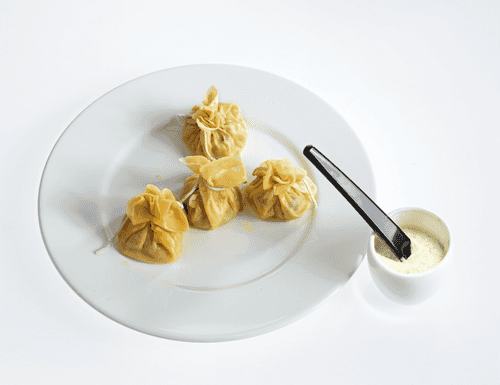
Egg dough dumplings with ginger lamb differ from the usual dumplings, first of all, in their appearance. They are prepared in the form of small bags of egg dough, the edges of which can be sealed or tied with culinary twine. Such dumplings are prepared in the national cuisine of the peoples of the Caucasus and in many Muslim countries. They are tasty, very juicy and nutritious. Beautiful multi-colored mince is prepared from fillet, ground with garlic, onion, ginger, mint and lamb fat. The filling is wrapped in pre-kneaded dough with the addition of fresh egg yolks. Thinly rolled out, it should be elastic and durable so that the dumplings do not fall apart during cooking. In this recipe, the dough is cut into equal squares, and the dumplings are steamed - then the bags retain their shape and look beautiful when serving. They are eaten with cutlery, chopsticks, or hands - each portion is swallowed whole, so that the meat juice does not escape onto the plate.
12
4
30

Dumplings made from kefir dough with cherries are a delicate and airy dish that comes from the depths of Slavic cuisine. Their soft kefir dough has a special lightness and pleasant acidity that harmonizes with the juicy, slightly tart cherries. Sugar adds sweetness without overwhelming the flavor, leaving room for the natural aroma of the berries. Historically, dumplings hold an honored place on festive and family tables, especially in Ukraine. Cherry dumplings are often associated with summer when fresh berries can be replaced with frozen ones while preserving their rich taste. They are served with sour cream or sweet sauce, turning each serving into a small gastronomic celebration. This simple yet cozy dish warms the soul and fills the home with the aroma of childhood.
5
6
40
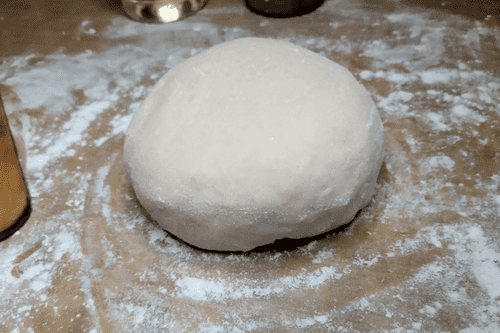
Dough for dumplings and vareniki is a true art of Russian cuisine, distinguished by its elasticity, tenderness, and ease of handling. It is based on simple yet key ingredients: wheat flour, egg, vegetable oil, salt, and boiling water. The boiling water makes the dough more pliable and soft while the oil adds extra plasticity. This dough rolls out perfectly and securely holds the filling without tearing during cooking. Historically used for making traditional Russian dumplings and vareniki, it is an indispensable element of home cooking. It helps create true culinary masterpieces that convey the warmth and comfort of family meals. The taste of the finished product is soft and neutral, allowing the filling to fully express its aroma. This is the foundation for creating beloved dishes that unite generations.
5
1
30
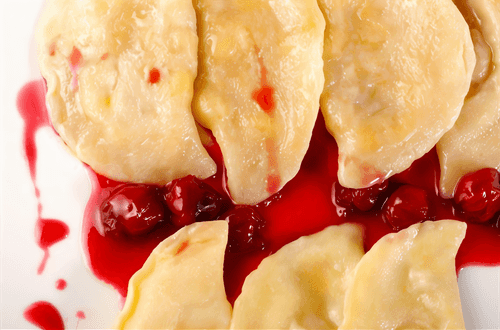
Cherry dumplings on buckwheat dough are a true culinary gem of Ukrainian cuisine. Their history dates back to ancient times when buckwheat was a key ingredient on the Slavic table. The delicate dough with a light nutty flavor envelops juicy sweet-sour cherries, creating an unmatched harmony of tastes. Topped with fresh cherry syrup and sour cream, these dumplings become not just a dessert but a work of gastronomic art. They are perfect for cozy family evenings and festive gatherings, bringing warm memories and enjoyment with every bite.
6
4
30
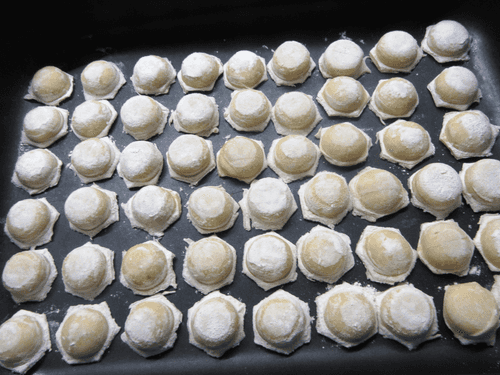
Dough for dumplings and pelmeni is the foundation for many dishes in Slavic and European cuisine. Its history goes back to traditional family recipes passed down through generations. This dough has a soft, elastic texture that rolls out easily and forms perfect shells for juicy fillings. Thanks to the combination of flour, eggs, milk, and butter, it acquires a pleasant taste with subtle creamy notes. It is ideal for making homemade dumplings with potatoes, mushrooms, or cottage cheese, as well as classic meat pelmeni. After a short rest, it becomes particularly pliable, allowing for easy shaping of favorite dishes. The simplicity of preparation and versatility make this dough indispensable in home cooking, while its taste brings comfort and enjoyment to everyone who tries it.
6
4
60
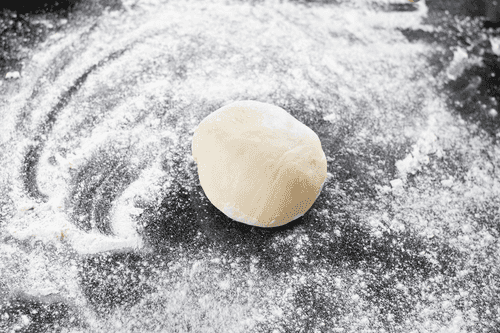
Chef Vladimir Bogozhavets shared the recipe with us.
5
10
20
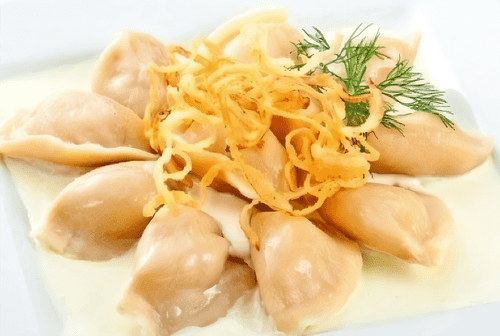
Dough for dumplings made with milk is a classic base for tender, airy dumplings traditionally loved in Russian cuisine. Milk gives the dough softness and a light creamy flavor, while vegetable oil makes it elastic and easy to work with. Historically, dumplings became popular due to their simplicity of preparation and the ability to diversify fillings: from sweet cottage cheese to juicy meat combinations. After resting, the dough becomes especially pliable, allowing for the creation of perfect dumplings with thin dough and rich filling. This recipe brings the taste of home comfort, making meals warm and heartfelt.
6
4
15
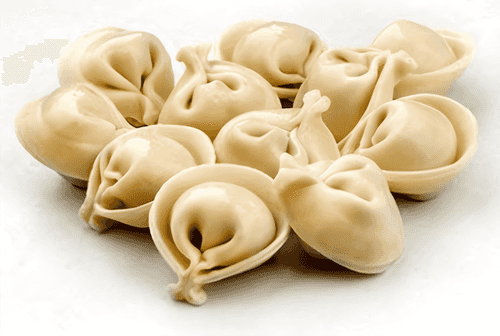
Dough for dumplings made with water is the foundation of Russian cuisine, infused with traditions and homey comfort. Simple yet reliable, it originated in the depths of Russian villages where dumplings symbolized hospitality. The combination of flour, eggs, and water makes it elastic, easy to roll out and securely hold the filling. The taste of the dough is neutral but slightly tender, allowing meat or vegetable fillings to shine with vibrant notes. When boiled, the dough becomes soft but does not fall apart; when fried, it acquires an appetizing crust. It is versatile in use: perfect for dumplings, vareniki, and even homemade noodles. This dough is the basis for cozy family dinners and heartfelt conversations at the table.
5
4
15
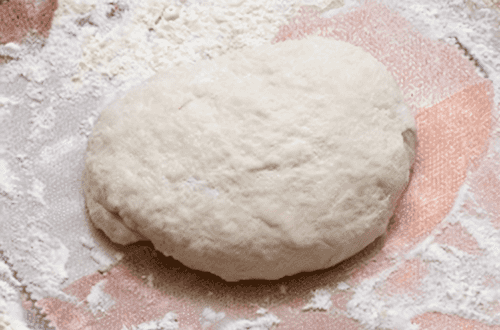
Dough for dumplings with warm milk is a classic recipe of Russian cuisine that makes homemade dumplings especially tender and elastic. Warm milk helps to better combine the ingredients, while vegetable oil gives the dough softness and flexibility. This dough rolls out beautifully, does not tear during shaping, and allows the filling to fully reveal its flavor. Historically, the use of milk in dough originated in rural areas where housewives aimed to make dumplings more filling and tasty. The taste of the dough is slightly creamy, and its texture is firm and pleasant to touch.
5
4
60
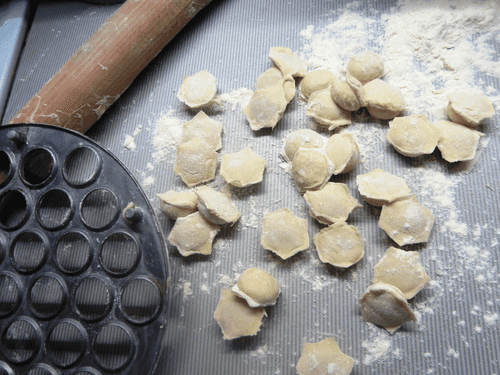
Dough for dumplings made with milk is soft and elastic, perfect for making traditional Russian dumplings. The addition of milk makes the dough more tender and gives it a slight sweetness, while egg yolks provide a rich texture and pleasant golden hue. Russian cuisine is famous for its homemade dishes, and this dough is a key element in creating delicious dumplings that can be filled with various fillings, from classic meat to cottage cheese and herbs. Its elasticity allows it to hold shape well and not tear during boiling, becoming the basis for a hearty and cozy family dinner.
5
6
15
Lamb stewed with vegetables in a pot under a dough lid is a true gastronomic journey into the world of comfort and warm traditions. This dish combines tender meat infused with spice aromas and juicy vegetables simmered in their own juices. Its origins can be traced back to European culinary culture, where baking in clay pots has always been considered a way to preserve the rich flavor and juiciness of ingredients. The main feature is the dough 'lid' that turns into a crispy crust absorbing all the dish's aromas. It is served directly in the pot, carefully breaking through the dough lid, making the eating process not only delicious but also an engaging ritual.
11
4
90
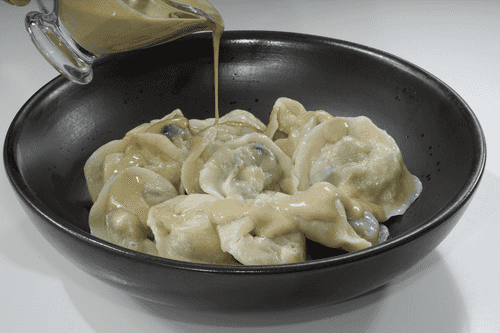
Vegan dumplings with eggplant and smoked tofu are an original dish of Russian cuisine that reflects a modern approach to traditional flavors. Instead of the classic meat filling, a spicy mix of eggplant, smoked tofu, and green peas is used, seasoned with thyme and oregano. The dough made with boiling water is elastic and tender, perfectly holding the juicy filling. The dumplings cook in just a few minutes and are recommended to be served with tahini or soy sauce, which adds depth to the flavor. This dish is not only suitable for a fasting diet but also pleasantly surprises with its rich texture and aroma. The light smoky taste of tofu combined with the sweet eggplant makes these dumplings an excellent choice for lovers of unusual flavor combinations.
12
6
60
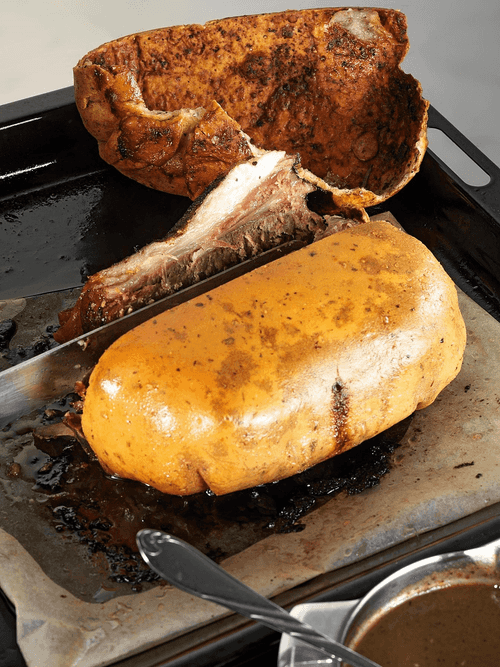
Lamb saddle in Provençal dough is an exquisite dish embodying the spirit of Provençal cuisine. The roots of this recipe trace back to European gastronomic traditions where meat is enriched with herbal aromas to create a harmony of flavors. The tender lamb saddle is first seared with rosemary and garlic, then baked in a dense dough infused with the spicy notes of Provençal herbs, thyme, and rosemary. During baking, the dough absorbs the meat's juices, forming a crispy golden crust. When cut open, it reveals tender, juicy meat with a rich bouquet of aromas. This dish is perfect for festive dinners, impressing with its appearance and rich flavor. It is served directly in the dough, making its presentation striking and allowing it to retain warmth and aroma until tasting.
12
4
100

Chebureki with lamb are golden crispy pastries filled with juicy, aromatic meat. This recipe comes from Caucasian cuisine, where the skill of cooking delicious meat dishes is elevated to an art form. The simple and elastic dough allows the filling to retain all its juiciness. Fresh basil and cilantro add notes of freshness, while onion gives a sweet taste. Fried in hot oil, chebureki become bubbly, crispy, and incredibly appetizing. They are eaten hot, washed down with fragrant tea or fermented milk drinks. They are perfect for cozy gatherings, picnics, and meetings with friends as it's impossible to resist their crunchy crust and juicy filling.
9
8
90
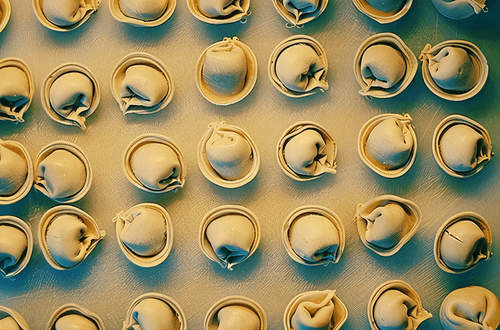
Dough for dumplings and vareniki is the foundation of classic Russian dishes, a symbol of comfort and family traditions. Its history dates back to ancient times when housewives manually kneaded elastic dough to keep the filling juicy and aromatic. The finished dough is soft and pliable, easily rolled out and perfectly holds meat or vegetable filling. The taste is neutral, slightly salty, allowing the full range of the filling to shine through. It is suitable not only for dumplings but also for vareniki with various fillings—from potatoes and mushrooms to cottage cheese and berries. This dough is the basis of homemade treats that bring generations together around a cozy table.
4
4
30




















