

















Recipe Catalog
Recipes with all the words: 4. Next come recipes that match some of the words

Oi-sobagi (cucumber kimchi) is a traditional Korean dish that combines crunchy fresh cucumbers with a spicy marinade. This type of kimchi is quick to prepare and has a vibrant flavor. Historically, kimchi originated as a way to preserve vegetables but has become an integral part of Korean culture over time. Oi-sobagi features a harmonious balance of spiciness, sweetness, and slight sourness due to fermentation. The flavor is enhanced by the combination of garlic, ginger, fish sauce, and Korean chili powder gochugaru, which adds zest to the dish. It pairs perfectly as a side with meat, rice or noodles and also serves as a refreshing standalone snack option. Ready to eat in 30 minutes but leaving it for several hours allows you to enjoy deeper notes of fermentation.
12
12
90

The recipe was shared with us by the chef from the Red Wall restaurant for the O2 festival menu.
10
1
120

Kimchi made from stuffed cucumbers is a bright and refreshing dish of Korean cuisine that surprises with its rich flavor. It combines the crunchiness of fresh cucumbers with the spicy heat of red pepper and the depth of garlic, ginger, and shallot aromas. The origins of this recipe lie in ancient Korean fermentation traditions, where vegetables were preserved by infusing them with spices and salt. Cucumber kimchi is perfect for hot weather when you crave something light and refreshing. It is pleasant to serve chilled as a side dish to meat or as a standalone snack. Sesame seeds add subtle nutty notes, enriching the flavor even more. This dish awakens the appetite and provides true gastronomic pleasure.
9
5
30

In this recipe, you need to find small, firm cucumbers like those called Baku cucumbers. You need to cut the cucumbers lengthwise, take out the seeds if they are large, and fill this boat with a vegetable kimchi mixture. Absolutely all kimchi go great with vodka, but cucumber kimchi especially: there is a lot of juice inside the cucumber, and it itself is wonderfully crunchy
11
8
30
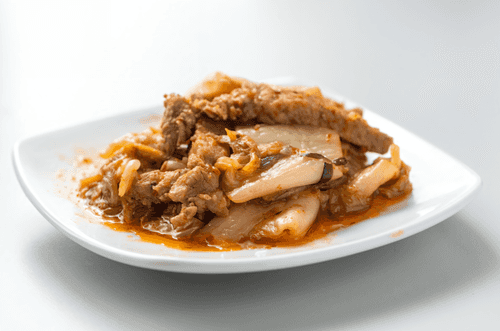
Fried kimchi with pork, or Kimchi Bokkeum, is a passionate blend of spiciness and rich flavor characteristic of Korean cuisine. Kimchi, the main ingredient, not only adds heat but also reveals the depth of fermented aroma. Pork fried to a golden crust absorbs the spicy juices of kimchi, creating a harmony of flavors. Onion adds subtle sweetness while green onion refreshes the dish with light spiciness. Historically, kimchi was used to preserve vegetables for winter and has become an integral part of Korean culinary heritage. Kimchi Bokkeum is served as a standalone dish or as a side to rice, creating a balance of textures and flavors. It is enjoyed hot, savoring the rich depth of flavor that warms and invigorates.
6
6
60

Spicy soup made from napa cabbage, known as Kimchi jjigae, is a vibrant dish with rich flavors from Korean cuisine. Although listed as part of Chinese cuisine, its roots trace back to the traditions of Korean family feasts where kimchi serves as the base for many dishes. This soup has a spicy and slightly fermented taste due to the napa cabbage turned into kimchi. The heat of chili paste harmonizes with the tenderness of tofu, while soy and fish sauce add depth of flavor. Kimchi jjigae is a warming, spicy dish perfect for cool days. It is served hot and traditionally accompanied by rice, creating a wonderful balance of textures and aromas. This soup not only satisfies but also provides culinary pleasure, awakening the appetite with each sip.
8
6
60

Kimchi jjigae is a vibrant dish embodying the bold flavors of Korean cuisine, despite its unexpected classification as European. Its base is spicy fermented kimchi, which adds depth of flavor with notes of acidity and heat to the soup. This dish combines tender pieces of pork, silky tofu, and aromatic mushrooms, while white semi-dry wine adds subtle sweetness and sophistication. Chili pepper and garlic create a warming effect, turning the soup into a true culinary 'storm.' This soup is perfect for cool evenings or when you want to experience richness in every sip. Traditionally served hot and garnished with fresh green onions for a finishing touch of freshness and crunch. It pairs best with boiled rice that balances the spiciness and highlights the richness of flavors.
11
4
30

The basic kimchi seasoning is the heart of a traditional Korean dish that gives it a rich, spicy flavor. Its history traces back to ancient Korea where kimchi became an integral part of culinary culture. This aromatic paste made from garlic, hot red pepper, salt, and sugar creates a perfect balance between spiciness, sweetness, and depth of flavor. The preparation is simple: all ingredients are mixed and allowed to steep for the spices to unfold. The thick, rich texture of the seasoning pairs perfectly with crunchy vegetables, making kimchi vibrant and memorable. The seasoning can be used not only for traditional kimchi but also for pickling various vegetables and adding zest to soups and sauces. It is a foundation of Korean cuisine that adds passionate spice and unique depth to any dish.
5
1
60

This recipe is a true celebration of flavors. Honey-glazed chicken infused with the aromas of soy sauce, ginger, and chili achieves a delightful caramelized crust and a spicy note. The salad combining lettuce, romaine, napa cabbage, and kimchi offers freshness and heat, creating a harmonious balance with the rich chicken. This dish is a bold fusion of American culinary tradition with Asian motifs, perfect for both festive dinners and everyday enjoyment. The lightness of the salad and the depth of flavor in the chicken make it a versatile choice for gourmets who appreciate rich and complex flavor combinations.
17
6
20
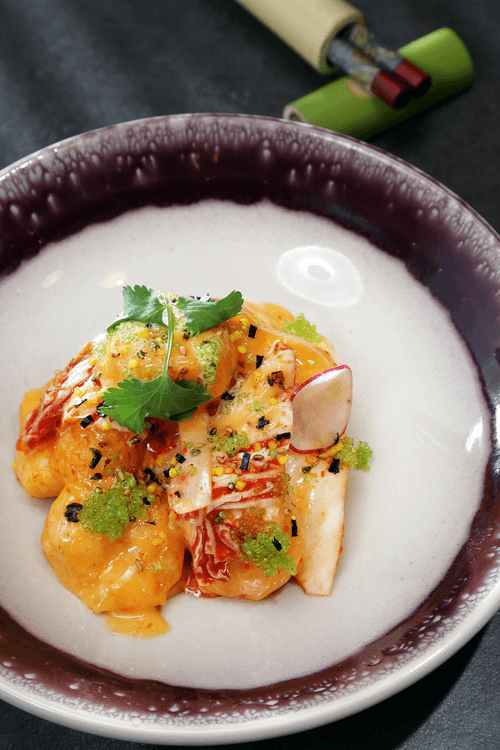
Shrimp in kimchi sauce is a refined dish of Pan-Asian cuisine, combining the crispy texture of shrimp with the rich flavor of spicy sauce. The recipe's origins trace back to Korean culinary traditions, where kimchi adds spiciness and depth to dishes. Tender shrimp, breaded and deep-fried, absorb the aromatic kimchi sauce with notes of lime, sake, and tobanjan. Cilantro leaves and thin radish slices add freshness, while green tobiko caviar provides a light sea saltiness. Furikake gives the dish a distinctive Japanese accent. It's the perfect treat for those who appreciate vibrant flavor combinations and enjoy the harmony of spicy, crispy, and juicy.
17
8
30
Chicken salad with kimchi, ginger, and green onions is a refined blend of European gastronomy with spicy notes of Korean cuisine. Tender chicken meat harmoniously combines with spicy kimchi, aromatic ginger, and the freshness of green onions. The sharpness of vinegar and sesame oil adds depth to the dish, while pine nuts provide a crunchy texture. This salad is perfect as a standalone dish or as a tasty filling for sandwiches that can surprise with its unique balance of flavors. It retains freshness well, making it a convenient option for preparing in advance. Enjoy this exotic yet cozy and hearty dish!
13
8
30
Crispy kimchi pancakes are a unique dish that combines spicy Korean notes with European gastronomic elegance. The recipe's base is kimchi, fermented cabbage with spicy seasonings that give the dish its characteristic sharp and rich flavor. The addition of rice noodles makes the texture tender inside, while the crispy golden crust during frying adds appetizing contrast. The pancakes soak up the aromas of garlic, sesame oil, and soy sauce, creating a deep and balanced taste. This dish is perfect as an appetizer or light main course, especially when paired with refreshing sauces or greens. It's ideal for those looking to try something new, rich in flavors and textures. Kimchi is a symbol of Korean cuisine, but in this recipe it finds a new interpretation, turning into a crispy delight.
8
6
40

A perfect example of how broccoli fits into a variety of Asian stories. This rich dish is built on the balance of two sauces: the first (consisting of narsharab, mint, cilantro , lime and lemon juice, vinegar and fish sauce) is where the cabbage is fried, and the second (which includes almonds, lemon, mint, olive oil and maple syrup) is where it is served.
17
2
15

Quick frying eliminates the need to fry the crab in any batter, the delicate meat is set by the heat and remains tender inside. The crab is accompanied by wheat noodles and kimchi sauce, which makes the dish moderately spicy. Recipe from chef Evgeny Meshcheryakov.
11
1
20
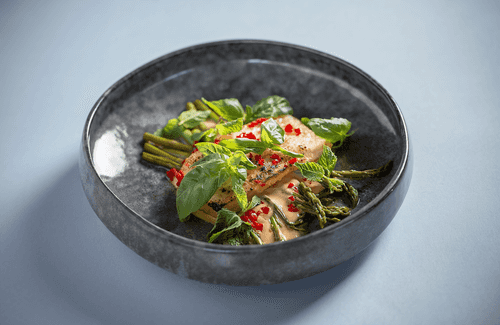
There are three main elements in this dish. The tofu itself, rolled in starch and deep-fried until a thin crispy shell appears around each piece. The asparagus, which is served raw. And the main character of the edible installation is an extremely inventive sauce, which, among other things, includes kimchi sauce itself (it is sold in tubes in Korean stores), Japanese mirin rice wine, Japanese mitsukan vinegar, lime, peanut butter and chopped ice. If you have all the necessary bottles at hand, the sauce is prepared in an instant: you need to poke the blender button and mix everything. Then it's a matter of a couple of seconds: the icy sauce with textured peanut crumbs is laid out on a plate, crispy asparagus sprigs are placed on top of it, like fresh oysters, straight from the frying pan, hot tofu is placed on top. All that remains is to decorate with basil and eat immediately. You must not hesitate under any circumstances: the contrast of the icy freshness of the sauce and the hot tofu lasts no more than a minute on the plate, but it is in it that all the delight of the receptors lies. The author of the recipe, Buro TSUM brand chef Vladimir Chistyakov, is known for just such outwardly laconic, but sophisticated in terms of taste-building snacks. Recipe by Vladimir Chistyakov, brand chef of the Buro TSUM restaurant.
18
4
20




















