













Recipe Catalog
No recipes contain all the words, showing recipes that match some of them

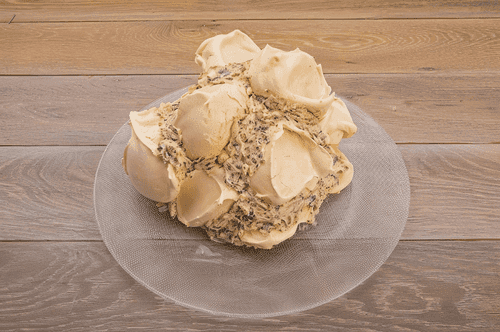
The 'Graph's Ruins' cake is a classic dessert of Russian cuisine, embodying elegance and ease. Its name is linked to the chaotically arranged pieces of biscuit that resemble the ruins of ancient castles. The taste of this cake impresses with the combination of the tenderness of white biscuit and the richness of chocolate dough. Sour cream soaks every piece, making the texture airy and soft, while chocolate glaze adds exquisite sweetness. This dessert is an ideal choice for festive tables and cozy evenings, where enjoying each bite turns into a true gastronomic journey.
10
12
125
The 'Graph's Ruins' cake with prunes is a masterpiece of Russian cuisine that delights with its lightness and refined taste. It resembles architectural ruins arranged chaotically yet surprisingly harmoniously. The light meringue soaked in a delicate cream of condensed milk and butter is complemented by the rich sweetness of prunes and the crunch of walnuts. This dessert combines textural variety and exquisite flavor, making it an ideal treat for family celebrations and formal events. The origins of its name are unknown, but it is believed to have emerged during the Soviet era as a variation of the classic meringue cake. This cake not only impresses with its appearance but also offers unforgettable gastronomic pleasure to anyone who tries it.
6
8
200
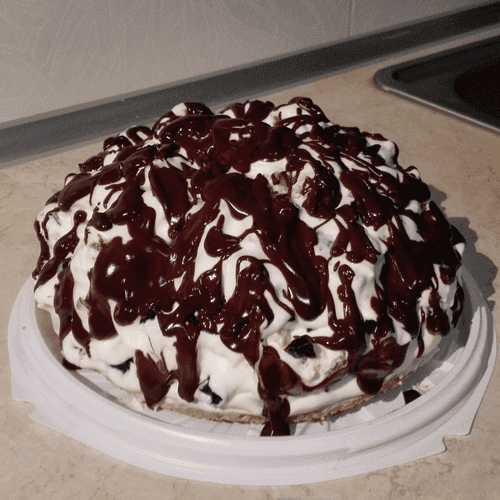
The 'Grafskie Razvaliny' cake with walnuts is a symbol of sophistication and effortless luxury in Russian cuisine. Its name is associated with a whimsical shape reminiscent of ruined palace structures, while the taste reflects a perfect balance of airy sponge and rich cream. The combination of sour cream frosting with cocoa layers creates a delicate texture, and pieces of cream-soaked sponge add an effect of lightness and chaos. The bitter chocolate glaze adds depth to the flavor, making it rich and intense. Walnuts and prunes, if added, highlight the sweet complexity of this dessert. Ideal for cozy evenings, celebrations, and gatherings where traditions and warmth of communication are important. The recipe's history dates back to Soviet times when chefs experimented with shapes to create unique and memorable desserts.
8
8
120
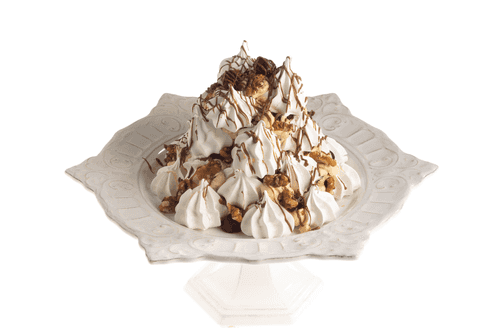
The 'Grafsky Ruins' cake is an embodiment of exquisite contrasts of flavors and textures that emerged in Soviet cuisine as a symbol of festivity and culinary mastery. The airy meringue, made according to classic rules, offers tenderness and crispy lightness, while the rich creamy filling with condensed milk and liqueur adds velvety depth. Cherries bring a pleasant tartness, and prunes add a subtle fruity sweetness with a hint of alcohol. The composition is completed by walnuts and milk chocolate, giving the cake a rich flavor and visual luxury. This dessert not only impresses with its appearance but also reveals the harmony of classic ingredients, creating a true gastronomic masterpiece. It is often served at festive tables where it becomes a decoration for the feast and a delight for gourmets.
10
8
120
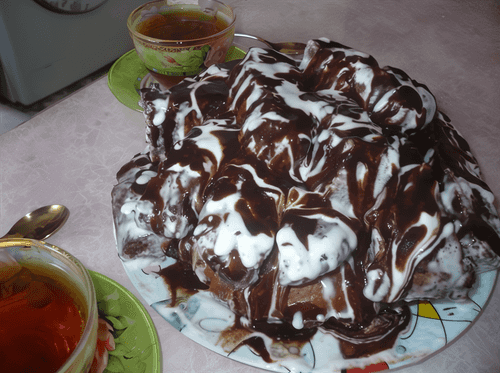
The 'Graph's Ruins' cake is a classic dessert of Soviet cuisine that has become a favorite of many generations. Its name refers to the whimsical appearance of the finished product: chaotically stacked pieces of sponge cake covered with sour cream and glaze resemble the crumbling walls of an ancient castle. The sponge base gives the cake tenderness, while the combination of sour cream and cocoa provides a unique velvety texture and rich flavor. The cocoa and butter glaze adds a light bitterness to the sweet palette. This cake is a true find for lovers of contrasting flavors and airy lightness. It is perfect for family tea gatherings as well as festive tables, consistently delighting guests with its unusual appearance and exquisite taste.
8
8
30
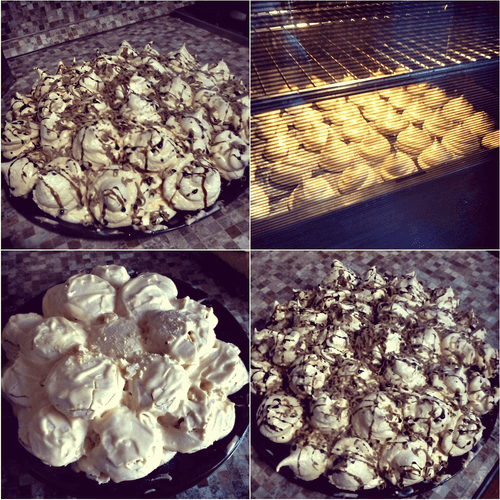
The cake 'Grafskie Razvaliny' made of meringue is an embodiment of airiness and sweet delight. Its name reflects the characteristic shape - chaotically arranged pieces of delicate meringue soaked in creamy frosting and decorated with chocolate crumbs. This dessert was born in Russian cuisine and became popular for its lightness and rich flavor. Crispy meringue, made with love, blends smoothly with creamy frosting, creating a unique texture. Each spoonful is a play of contrasts: the fragility of the meringue yields to the gentle cream, while the chocolate topping adds savory notes. This cake is perfect for celebrations as it not only pleases the eye with its stunning presentation but also captivates hearts with its taste. 'Grafskie Razvaliny' is a culinary masterpiece where disorder transforms into elegance.
4
8
180
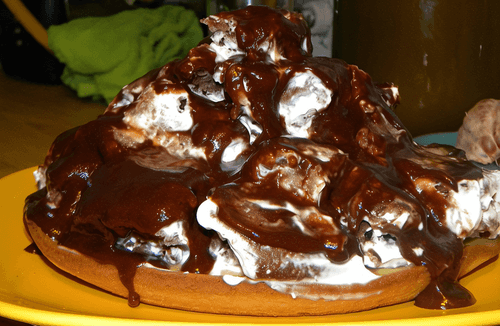
The 'Grafsky Ruins' cake is a delicate treat inspired by the romance of ancient European castles. Its chaotic shape resembles the crumbling walls of medieval palaces, while airy layers are soaked in sour cream frosting, giving the dessert a special lightness and juiciness. The flavor is a harmony of sweet and creamy notes with a gentle tartness complemented by cocoa accents. The cake is perfect for cozy family tea times and festive tables, impressing with its stunning presentation and tender texture. The glaze adds sophistication, while the chaotic structure makes each piece unique. Its origin remains a mystery, but it consistently remains a favorite among home baking enthusiasts.
8
4
60
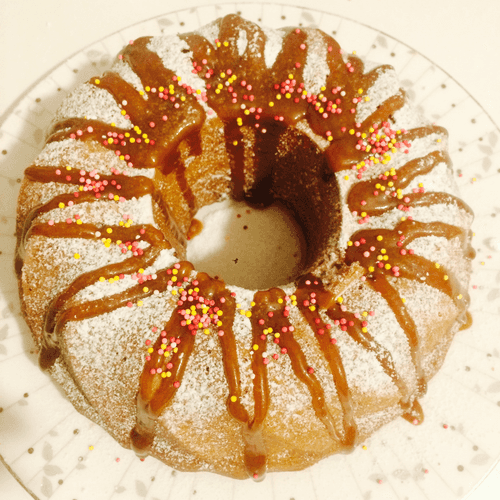
Mannik is a traditional Russian pie loved for its airy texture and delicate taste. This easy-to-make recipe is perfect for family tea time. The base of mannik is semolina, which gives the pastry its characteristic crumbly softness. Sour cream adds tenderness while sugar provides a light sweetness. Mannik can be served warm with jam, honey or sour cream and can also be decorated with nuts or fruits. Its history goes back to when semolina was an accessible and nutritious ingredient in home baking. Due to its simplicity and harmonious flavor, mannik remains a beloved dessert that brings comfort and homely warmth.
7
8
30
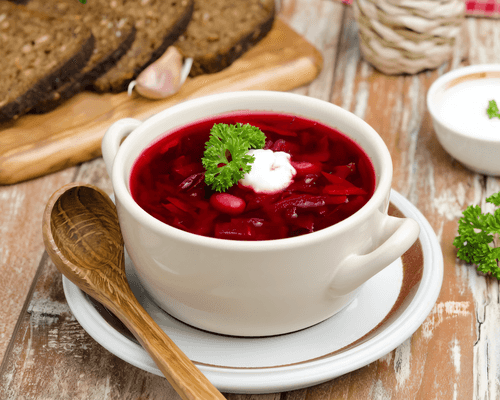
Borscht is not just a soup but a culinary heritage of Ukrainian cuisine, a symbol of home comfort and hospitality. Its history spans hundreds of years and remains an unchanged attribute of family gatherings. Classic borscht has a rich red color from beets and a deep, rich flavor from the combination of meat, vegetables, and tomato paste. Each spoonful is a harmony of beet sweetness, tomato acidity, and herb spiciness. Borscht is served hot with a spoonful of sour cream that softens its taste and fresh herbs for added freshness. It is eaten with black bread or garlic pampushky, making the meal especially cozy. This soup is not only nourishing but also warming, perfect for cold days when you want to feel the warmth of home.
14
4
130
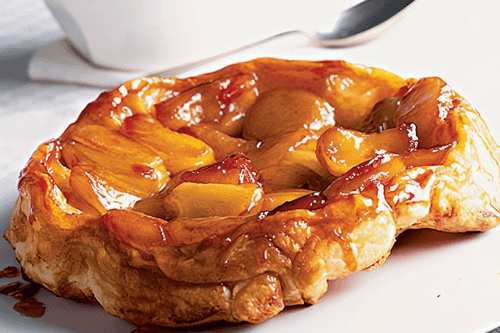
Tarte Tatin is a legendary French upside-down pie that accidentally appeared in the 19th century thanks to the Tatin sisters. A mistake in preparation led to the creation of a dessert where caramelized apples are hidden under a layer of crispy pastry. The pie's flavor is a perfect balance between the sweetness of caramel and the slight tartness of apples, complemented by a creamy hint from the pastry. The finished tart is served warm, and its rich aroma and delicate texture make it a favorite dessert among gourmets. It pairs perfectly with vanilla ice cream or whipped cream, enhancing the richness of flavor. This pie embodies the simplicity and elegance of French cuisine, capable of elevating any tea party or festive dinner.
6
6
70
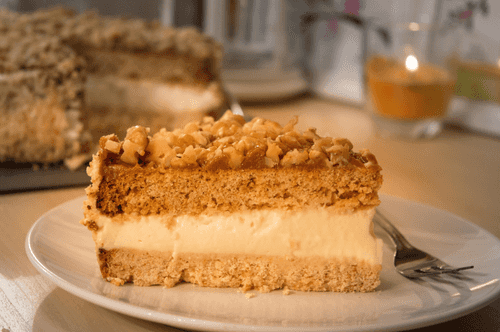
The 'Medovik' cake is an exquisite combination of tender honey layers and airy cream, giving it delightful softness. Although traditionally associated with Russian cuisine, its improved Japanese-style recipe adds sophistication and elegance. The rich aroma of honey, complemented by the creamy sweetness of condensed milk and a light tang from sour cream, makes it an ideal choice for special occasions. The jelly in the composition adds lightness to the texture, while nuts add a savory touch. This cake is a true delight that evokes the warmth of home and is perfect for cozy family tea times or festive events.
15
12
60
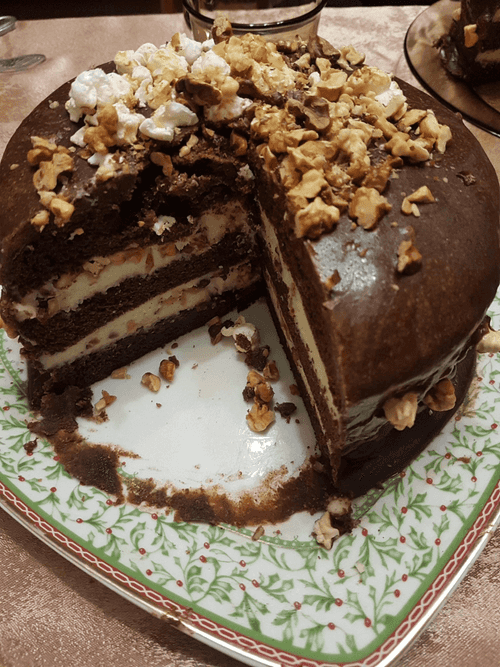
The 'Prague' cake is a true masterpiece of pastry art, infused with history and elegance. Despite its name, its roots lie not in Italy but in the Czech Republic, where it was created in the 20th century by talented pastry chefs. This dessert is a combination of delicate chocolate layers soaked in a fragrant cream made from semolina and cognac, giving the cake sophistication. Walnuts add texture and a slight bitterness, while the thick chocolate glaze completes the composition with a rich flavor. 'Prague' is the perfect treat for festive occasions as its velvety structure and harmonious blend of sweetness and rich chocolate notes leave an unforgettable impression.
13
8
70
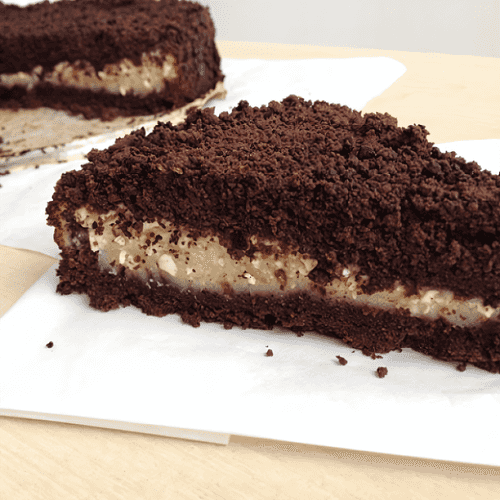
This cottage cheese cake is a true embodiment of tenderness and rich flavor. Originating from European cuisine, it combines an airy cottage cheese base with subtle chocolate notes. The history of such desserts traces back to classic baking, where cottage cheese was valued for its velvety texture and pleasant tanginess. The taste of this cake harmoniously blends the sweetness of vanilla sugar and creamy richness, while the added cocoa powder gives it a light depth of chocolate aroma. It is made with love: first, butter and sugar are mixed, then flour with cocoa forms the base, and the cottage cheese mixture becomes airy. Baked in the oven, it turns into a perfect treat for tea or coffee. This is not just a dessert – it's a cozy moment of joy where each spoonful brings delight.
9
10
60
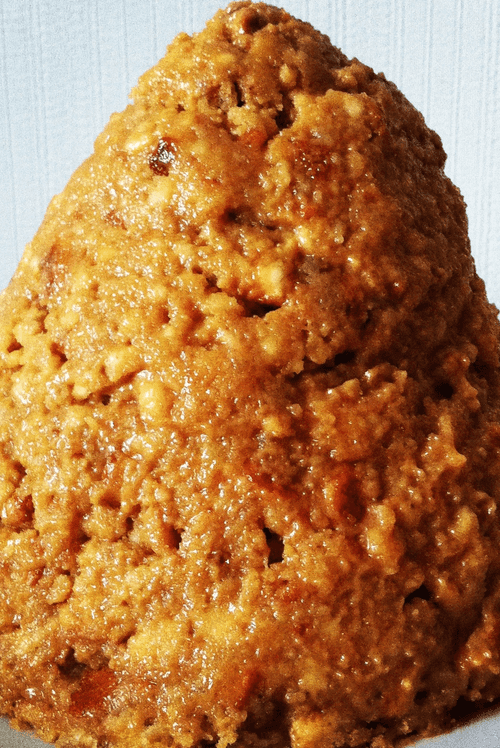
The classic cake 'Ant Hill' is a true masterpiece of Russian cuisine that captivates hearts with its delicate taste and crunchy texture. Its history dates back to times when housewives created real masterpieces from simple ingredients. Crispy pieces of dough baked to a golden color are combined with a velvety cream made from boiled condensed milk, creating a harmony of flavors. The shape of the cake resembles an ant hill, making it a particularly recognizable and beloved dessert at family celebrations. This sweet delight is served chilled, and its surface can be decorated with grated chocolate and poppy seeds for added elegance. 'Ant Hill' is perfect for cozy evenings with loved ones, enhancing the atmosphere of warmth and joy.
9
10
180
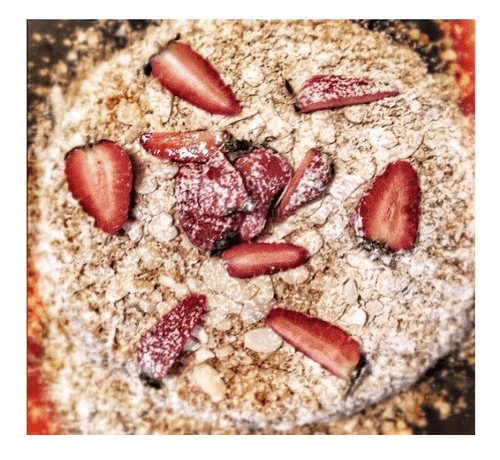
The Napoleon cake is a true embodiment of elegance and rich flavor. Its history dates back to the 19th century when it was created in honor of Russia's victory over Napoleon's army. This dessert consists of delicate layers soaked in a fragrant cream made from eggs, milk, and condensed milk. Its thin layers are infused with thick vanilla cream, creating a harmony of airiness and rich buttery taste. Almond flakes add an exquisite texture and a light nutty note. The Napoleon is perfect for celebrations and family gatherings, giving each bite a sense of festivity and comfort. It is best served slightly chilled to enhance its flavor.
9
12
180




















