











Recipe Catalog
Recipes with all the words: 1. Next come recipes that match some of the words

I tried to buy Chinese cabbage for this kimchi (this is a traditional Korean recipe), but it was all of poor quality. So I made quick kimchi from regular white cabbage. If you start from the fact that kimchi is a type of dish, then it doesn’t matter what kind of cabbage you put in it. I’ve made kimchi from both Brussels sprouts and cauliflower. The special thing about cabbage kimchi is that you need to cook rice flour porridge with it. It won’t affect the taste, but it will allow this aromatic spice mixture to stick to the cabbage properly. Otherwise, everything can drip to the bottom of the dish, and the point is for the mixture to coat the product.
10
10
30

Spicy soup made from napa cabbage, known as Kimchi jjigae, is a vibrant dish with rich flavors from Korean cuisine. Although listed as part of Chinese cuisine, its roots trace back to the traditions of Korean family feasts where kimchi serves as the base for many dishes. This soup has a spicy and slightly fermented taste due to the napa cabbage turned into kimchi. The heat of chili paste harmonizes with the tenderness of tofu, while soy and fish sauce add depth of flavor. Kimchi jjigae is a warming, spicy dish perfect for cool days. It is served hot and traditionally accompanied by rice, creating a wonderful balance of textures and aromas. This soup not only satisfies but also provides culinary pleasure, awakening the appetite with each sip.
8
6
60

This recipe is a true celebration of flavors. Honey-glazed chicken infused with the aromas of soy sauce, ginger, and chili achieves a delightful caramelized crust and a spicy note. The salad combining lettuce, romaine, napa cabbage, and kimchi offers freshness and heat, creating a harmonious balance with the rich chicken. This dish is a bold fusion of American culinary tradition with Asian motifs, perfect for both festive dinners and everyday enjoyment. The lightness of the salad and the depth of flavor in the chicken make it a versatile choice for gourmets who appreciate rich and complex flavor combinations.
17
6
20
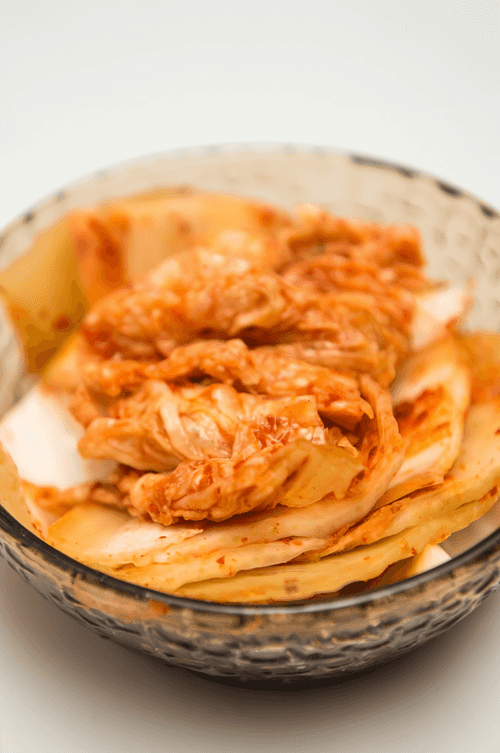
Kimchi is the heart of Korean cuisine, a legendary dish with a millennia-old history. It originated as a way to preserve vegetables for long winters and has become a symbol of Korean hospitality over time. Spicy, flavorful, and crunchy, kimchi excites taste buds with its piquant heat and rich aroma of fermentation. Cabbage soaked in salt and spicy paste with hints of garlic, ginger, and fish sauce creates the perfect balance of flavors. Kimchi not only pairs excellently with rice and meat dishes but also serves as a base for many Korean soups and snacks. Besides its vibrant taste, it is rich in probiotics that strengthen gut health. This culinary masterpiece requires patience in preparation, but the wait is worth it: after fermentation, it reveals its depth and complexity.
13
12
120

Kimchi made from napa cabbage is an iconic dish of Korean cuisine filled with vibrant flavors and deep history. Its roots go back to ancient times when fermentation helped preserve vegetables for winter. Today, kimchi is not just a side dish but a symbol of Korean culture. Its taste is a harmony of spiciness, sweetness, and tanginess thanks to ginger, garlic, and pear. The fermentation process makes the cabbage rich and crunchy while its aroma intensifies over time. Kimchi pairs perfectly with rice, meat dishes, and soups adding umami and depth to them. The longer it is stored, the richer the flavor becomes and the tradition of its consumption is passed down through generations. It is not just food; it is a living heritage of the Korean people embodying their hospitality and passion for rich flavors.
7
4
30

Traditional Korean cabbage kimchi is not just a dish but a symbol of Korean cuisine that carries centuries of history. The art of fermentation has allowed vegetables to be preserved for long winter months, turning them into a flavorful delight. Kimchi has a bright, spicy taste that awakens the appetite and pairs wonderfully with rice, meat, and even soups. Its spiciness and complexity come from the combination of garlic, ginger, fish sauce, and shrimp paste. Fermentation gives it a slight tang and rich depth. This Korean delicacy is not only delicious but also healthy—rich in probiotics and vitamins. Kimchi can be consumed right after preparation or left for several months to enhance its flavor. This dish is the soul of Korean cuisine that awakens the senses and warms the heart.
13
4
60

Beijing cabbage kimchi is a traditional Korean dish filled with fiery temperament and rich history. Korean cuisine is renowned for its art of fermentation, and kimchi is its hallmark. This version uses Beijing cabbage, which after salting absorbs a fragrant sauce made from rice flour, spices, and vegetables. The spiciness of chili and paprika combines with the tender texture of cabbage leaves to create a harmony of flavors—from spicy to slightly sweet. Kimchi not only awakens the appetite but also enriches dishes with complex umami notes. It pairs perfectly with rice, soups, meat dishes, and appetizers. Over time, the flavor deepens and the texture becomes more interesting. It is not just food but a cultural heritage of Korea filled with history and passion for rich flavors.
12
4
40

Pork hock soup with cabbage and white beans is a hearty and aromatic dish from German cuisine, combining the tenderness of smoked meat, the sweetness of cabbage, and the rich flavor of beans. This soup, rooted in rural traditions, is prepared slowly to allow the ingredients to soak in the rich broth. Cloves and thyme add a spicy note to the dish, while garlic enhances the depth of flavor. Toasted baguette spread with butter makes an ideal complement, adding textural contrast. This soup warms well in cold weather and exemplifies German mastery in creating nutritious and flavorful dishes valued for their simplicity and richness.
13
6
30

Pasta with duck leg, savoy cabbage, and white wine is a dish embodying the sophistication of Italian cuisine. Tender duck meat, seared to a golden crust, fills the pasta with rich flavor, while savoy cabbage adds lightness and pleasant texture. Dry white wine adds hints of refined acidity that harmoniously reveal the flavors of the ingredients. The origins of this recipe can be found in Tuscan cuisine, where pasta is often paired with meat components and vegetables. Garganelli or campanelle perfectly hold the creamy sauce, while duck cracklings add an appetizing crunch to the dish. This dish is ideal for a cozy dinner with a glass of white wine that highlights all the depth of flavor nuances.
10
4
30

The pie with white cabbage and Brussels sprouts is a magnificent combination of airy dough and delicate vegetable notes. French cuisine is famous for its exquisite yet simple-to-make dishes, and this pie is a great example of that. White cabbage gives the filling a sweet, soft taste, while Brussels sprouts add a light spiciness and nutty undertones. The addition of spinach and cheese makes the pie even richer and more appetizing. This pie is perfect for both family dinners and cozy tea times. It can be served as a standalone dish or as an accompaniment to a light salad. Baked to a golden crust, it becomes a true centerpiece on the table, bringing warmth and comfort to every bite.
11
6
40

This salad is a bright representative of Soviet cuisine, combining accessible ingredients with simplicity in preparation. Crunchy white cabbage adds freshness, crab sticks provide a delicate sea note, and sweet canned corn adds a light sweetness. Dressed with mayonnaise, it acquires a soft texture and harmonious taste. This salad was especially popular in the 90s when crab sticks became an affordable substitute for expensive seafood. It is perfect as an everyday dish and pairs well with meat and fish side dishes. Light, juicy, versatile — an ideal option for a quick snack or festive table!
7
4
25

An old tried and true combination: cabbage, beans and bacon. Put it all together and you get a rich, thick soup. We picked up the recipe at a cafe near Florence's San Ambrogio market.
14
6
90
Fried salmon with leafy and white cabbage is an exquisite dish of Italian cuisine that combines the freshness of seafood and the rich flavor of vegetables. Salmon baked to a golden crust remains juicy inside, while the cabbage cooked with olive oil gains a crispy texture and light caramelization. The lemon sauce with dill and Dijon mustard adds zest, highlighting the natural taste of the fish. This dish is perfect for both festive dinners and everyday menus, providing a harmony of flavors and nutritional value. Italian cuisine is renowned for its simplicity and high-quality ingredients, and this recipe is a vivid example that combines fresh, healthy products in an elegant presentation.
10
4
25

It couldn't be simpler, and it couldn't be tastier either. Combined at different times with vinegar, salt, sugar and oil, the cabbage will acquire a babyish tenderness. Which was to be proven.
5
4
40
Cabbage salad with apples and celery is a light and refreshing dish that embodies the simplicity and sophistication of Italian cuisine. Crispy cabbage, sweet apple, and aromatic celery create a harmonious balance of flavors, complemented by the light acidity of vinegar and the gentle sweetness of sugar. This salad was inspired by Mediterranean culinary traditions where fresh vegetables and fruits play a key role in creating nutritious and healthy dishes. It is perfect as a light appetizer or side dish for meat and fish dishes. With its freshness and textural richness, the salad not only delights the palate but also enriches with vitamins, making it an excellent choice for those mindful of their diet.
5
4
60