






Recipe Catalog
No recipes contain all the words, showing recipes that match some of them

If you have nasturtium growing in your garden, why not make dolma from it? Especially since there are no authentic restrictions on this matter - in the Caucasus, dolma is rolled not only from grape leaves, but also from mulberry and cabbage leaves, like stuffed cabbage rolls. Nasturtium leaves have proven themselves to be great: thin, but do not tear. And a slightly noticeable bitterness remains with them even after heat treatment, and does not disappear without a trace, as happens, for example, with arugula. To be on the safe side , put a layer of chopped tomatoes on the bottom of the pan, then the tender leaves will definitely not fry to it.
11
4
45

A pure experiment — classic Asian spring rolls with nasturtium leaves instead of green salad. To be honest, this was the first time we tried nasturtium and were amazed at how bright these round leaves tasted — fresh, light, but with a hint of bitterness. That's how the recipe was born: sweet peaches, tender shrimp, salted caviar and nasturtium, which balances the taste. To be honest, we didn't want to drown out such a delight with overly explosive Asian sauces, so we settled on a light and smooth aioli.
16
3
30

Dolma is an exquisite Georgian dish rooted in the ancient culinary traditions of the Caucasus. Stuffed grape leaves are tender, juicy, with a subtle aroma of spices and herbs, boasting a rich flavor that combines meat filling, the freshness of tomatoes, and a slight tartness from the grape leaves. Each bite reveals a balance of spicy notes from cilantro, nutmeg, and garlic. Dolma is traditionally served hot, generously covered with sauce—either tomato-sour cream or yogurt with herbs and garlic—which adds a special velvetiness to the dish. It is a true gastronomic journey that unites culture and the coziness of home meals. Dolma is perfect for festive gatherings, family dinners or entertaining guests—its taste captivates while its aroma awakens appetite and warm memories.
15
8
100

Dolma is a culinary treasure of Turkish cuisine that captivates with its rich flavor and aroma. Historically, the dish dates back to the Ottoman Empire, where it became a symbol of hospitality and family unity. Tender lamb mixed with spiced rice and fresh herbs is carefully wrapped in young grape leaves, adding a tangy zest to the dish. Simmering in broth makes dolma juicy and rich, while serving it with garlic yogurt and sweet cinnamon reveals a full spectrum of taste sensations. This dish is perfect for festive gatherings as well as cozy family dinners, filling the atmosphere with warmth and Eastern charm.
5
6
80

Dolma made from grape leaves is an exquisite dish of Armenian cuisine, infused with ancient traditions and Eastern flavors. Historically, it emerged in the Ottoman Empire, spreading among the peoples of the Caucasus and the Middle East. Grape leaves wrapping tender meat filling with rice give dolma a unique aroma and a slight tanginess. The filling, rich in tomato paste and aromatic herbs, reveals a flavor harmony of meaty juiciness and herbal freshness. Each portion is a small bundle carefully rolled to preserve the depth of aromas. Dolma is simmered on low heat, allowing the ingredients to unite into a single bouquet of flavors. It is served with matzoni and garlic that accentuates the dish's richness. Perfect for a warm family gathering where each bite carries the breath of Armenian traditions.
12
6
90

The recipe is taken from the book by A. Piruzyan "Armenian Culinary Arts" (1960).
14
1
45
The recipe is taken from the book by A. Piruzyan "Armenian Culinary Arts" (1960).
14
1
45
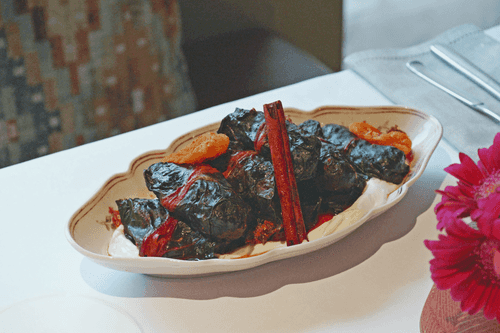
Ilya Cherkashin, chef of the Saviv restaurant, shared the recipe with us.
16
6
90

Dolma in grape leaves is an exquisite dish of Azerbaijani cuisine that reflects the rich gastronomic tradition of the region. Its origins date back centuries when grape leaves were used to create tender, aromatic rolls filled with meat. The filling of juicy minced meat, rice, and spices wrapped in delicate leaves acquires a unique flavor after slow cooking. Dolma combines the softness of the filling with the slight acidity of grape leaves, creating a harmony of tastes. This dish is often served with yogurt sauce that highlights its richness and spiciness. Dolma is not just food but part of culture, a symbol of hospitality and family traditions that unites generations at the festive table.
8
8
60
Dolma with veal and prosciutto is an exquisite dish of Italian cuisine, combining the aroma of grape leaves and the tenderness of meat filling. The roots of this recipe trace back to the Mediterranean, where grape leaves served as natural wrappers for meat and vegetable fillings. The veal is carefully sautéed to a golden color, while the prosciutto and onion mixture adds a rich flavor to the dish. White bread soaked in milk makes the filling's texture airy and soft. Delicate grape parcels are simmered in white wine and water, absorbing aromas. Before serving, they are drizzled with lemon juice for a fresh tanginess. Dolma with veal and prosciutto is perfect as an appetizer or main course, filling the meal with Italian charm and sophistication.
13
6
90

Tincture of nasturtium, basil, and kale is an exquisite drink inspired by the harmony of herbs and spices. Its roots trace back to the art of herbal tinctures used for medicinal and culinary purposes across cultures. Nasturtium adds a light spiciness and floral notes, basil brings freshness with a hint of sweetness, while kale contributes an earthy, slightly bitter tone. A sharp note of chili and allspice complements the rich bouquet of flavors. This tincture is perfect as a standalone tasting drink or as a base for cocktails, adding depth and complexity to them. It can be used in gastronomy to flavor sauces and marinades, adding a unique herbal freshness. The refined combination of ingredients makes it an excellent choice for connoisseurs of unconventional flavor solutions.
7
8
10

Beef dolma with matsuni sauce is an exquisite dish of Armenian cuisine that embodies the rich traditions of Caucasian flavors. Grape leaves are filled with juicy minced beef, herbs, and vegetables, creating a harmonious blend of textures and aromas. Butter adds tenderness to the filling, while the spices enhance its depth and richness. The dolma is cooked slowly, allowing all ingredients to unite into a single bouquet of flavors. The finished dish is served with refreshing matsuni, which adds a light tanginess and highlights the meat base. This recipe embodies the coziness of family gatherings, filling the home with warmth and aromas of Eastern cuisine.
12
6
90
Vegetarian dolmas with brown rice and mushrooms are a refined version of the classic dish, filled with rich flavors and aromatic spices. Dolma, traditionally popular in Mediterranean and Eastern cuisines, takes on the softness of mushrooms and a light nutty note from brown rice in this rendition. Grape leaves add a special piquancy and tenderness to the dish, while the addition of parsley, coriander, and paprika fills it with freshness and depth of flavor. Baked with tomato paste, they become juicy and fragrant, perfectly complementing vegetable and plant-based diets. These dolmas can be served as a standalone dish or as an appetizer alongside yogurt or nut sauce. Such a dish will delight not only vegetarians but also lovers of original flavor combinations, offering a harmonious and nutritious treat.
13
12
80
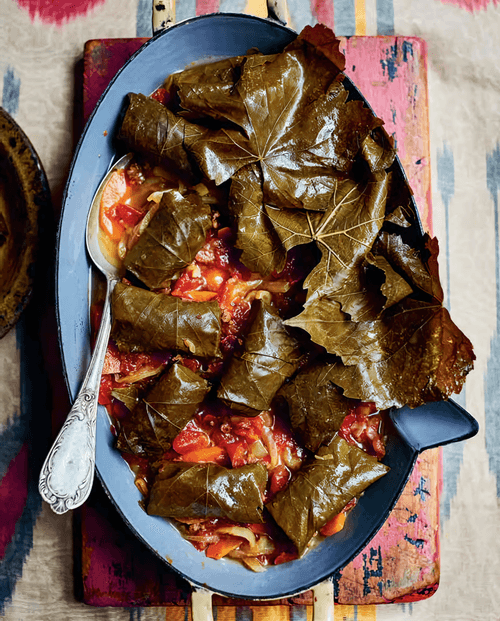
The recipe is taken from the book "Samarkand. Recipes and Stories of Central Asia and the Caucasus" by Caroline Eden and Eleanor Ford. "Stuffed grape leaves are popular from Central Asia to Turkey and from the Mediterranean to Eastern Europe. The filling usually consists of meat and rice, and cabbage or simply hollow vegetables can be used instead of grape leaves. In Tashkent, I tried an exquisite dolma with spicy meat, which did not contain rice. At the same time, dolma is more of a part of the snack table than a full-fledged main course.
16
6
60
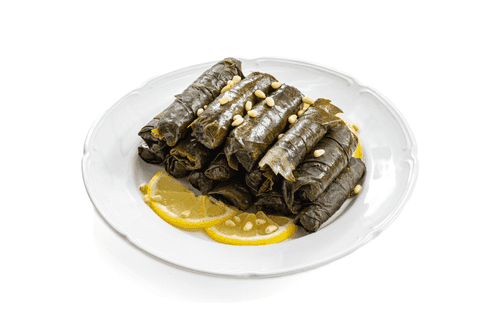
Turkish dolma with rice is a gastronomic masterpiece of Ottoman cuisine, infused with the aromas of the Mediterranean and the East. Tender grape leaves wrap a spicy filling of rice, pine nuts, raisins, and fresh herbs, giving the dish sweet-spicy notes. Dolma is not just food but a symbol of hospitality, often served at family gatherings and festive events. With the harmonious combination of lemon's acidity, rich olive oil flavor, and spices, it gains exquisite depth. It can be enjoyed both hot and cold, savoring the softness of the filling and the delicate aroma of the leaves. Dolma pairs perfectly with yogurt sauces and fresh vegetables, turning a meal into a true journey through Turkish culinary traditions.
18
6
120