








Recipe Catalog
Recipes with all the words: 1. Next come recipes that match some of the words

Tonkatsu sauce is one of the symbols of Japanese cuisine, created to accompany crispy tonkatsu cutlets. Its flavor is a harmony of sweetness, tanginess, and mild bitterness from tomato paste, soy sauce, sake, and rice vinegar. The delicate spice of ginger and garlic adds depth while sugar balances the notes. The sauce's history dates back to the Meiji era when Japan adapted Western culinary traditions to create unique interpretations. This thick, velvety sauce is used not only for tonkatsu but also for other dishes: from omurice to French fries, adding richness and expressiveness. Its preparation is a slow reduction process that allows flavors to merge into a perfect symphony. Tonkatsu sauce is not just an accompaniment but the final chord of Japanese gastronomic melody.
7
8
30

Tonkatsu is a crispy and juicy pork cutlet fried in a golden breading. Originating in Japan in the late 19th century under the influence of Western cuisine, it has become one of the most popular dishes. Classic tonkatsu is made from pork that is breaded in panko crumbs, giving it an airy and crunchy texture. Fried in oil until golden brown, it turns out incredibly juicy inside. It is usually served with cabbage and a tangy tonkatsu sauce that adds a rich sweet-spicy flavor to the dish. This perfect combination of crunch, tenderness, and vibrant flavor nuances makes tonkatsu a beloved dish not only in Japan but also far beyond its borders.
7
4
60
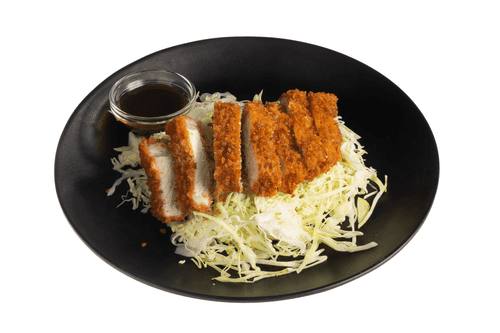
Thickly breaded cutlets that are believed to have come to Japanese cuisine from France: the French word côtelette became read as katsuretsu, or simply "katsu", in Japan. Essentially, these are deep-fried pork chops, an everyday food that is even sold frozen in supermarkets. But homemade tonkatsu is, of course, tastier: a crispy crust of airy panko breadcrumbs and a juicy core. Before serving, tonkatsu is cut into strips and complemented with fresh cabbage salad and sauce. The recipe is very simple, try to cook it and see for yourself.
7
2
30

Tonkatsu with chili, daikon, and green peas is a bold interpretation of the classic Japanese dish. Tonkatsu, a traditional breaded and fried pork cutlet, takes on fresh and spicy notes in this version thanks to the vegetables and hot chili. The dish's history dates back to the mid-20th century when Japan adapted Western cooking methods to create signature combinations. The crispy crust of tonkatsu pairs with tender, juicy meat while fresh vegetables add lightness and balance of flavors. Served with lettuce leaves and a sauce based on ketchup and Worcestershire sauce makes it rich and appetizing. This is not just a meat dish but a gastronomic journey that connects traditional Japanese methods with modern flavor accents.
14
4
50

Tonkatsu is a popular Japanese dish that emerged under the influence of Western cuisine in the late 19th century. It consists of a crispy and golden cutlet made from tender pork meat, fried in breadcrumbs. Juicy on the inside and crunchy on the outside, tonkatsu captivates gourmets with its simple yet rich flavor. It is usually served with thick tonkatsu sauce that adds savory and sweet notes, along with fresh cabbage and rice, creating a balanced and hearty meal. This dish is perfect for both everyday dinners and cozy gastronomic evenings.
4
1
30

Tonkatsu is one of the most popular dishes in Japanese cuisine, introduced to Japan in the late 19th century under the influence of Western culinary traditions. It consists of tender, crispy pork cutlets breaded and traditionally served with tonkatsu sauce and fresh vegetables. The fried meat has a rich flavor and appetizing texture, while the light crunch of the breading contrasts beautifully with the juiciness of the pork. This dish is loved not only in restaurants but also at home, where it is prepared with a minimal set of ingredients. It can be served with rice or cabbage salad, creating a harmonious balance of flavors. Tonkatsu is not just food; it is part of Japanese gastronomic culture that combines European and Eastern traditions.
6
2
60

Recipe from Chef Kobayashi Katsuhiko for the Izumi Restaurant.
8
3
25

Beurre Blanc sauce is the pinnacle of French gastronomy, an exquisite white butter sauce born in the Nantes region. Legend has it that it was created by mistake but became a culinary masterpiece. Its velvety texture and delicate creamy flavor with hints of wine and onion make it the perfect accompaniment for fish, seafood, and vegetables. The secret of the sauce lies in the slow incorporation of butter, creating an elegant emulsion. It transforms any dish into a refined treat, adding softness and depth of flavor. It should be served fresh before losing its lightness and shine. This sauce is a true tribute to French culinary art, embodying balance and harmony of flavors.
7
4
20

Espagnole sauce is a classic of French cuisine and one of the five mother sauces established by the great Auguste Escoffier. Its rich flavor comes from slow simmering meat bones, vegetables, and wine, creating a deep, caramelized aroma with delicate notes of thyme and bay leaf. The sauce has a thick, silky texture and pairs perfectly with red meats, game, and braised dishes. In culinary arts, it serves as the base for many derivative sauces like demi-glace and bordelaise. Due to its versatility, espagnole is used as a foundational element to enrich dishes with flavor. This sauce requires patience but rewards with exceptional gastronomic pleasure reflecting the traditions of French haute cuisine.
16
10
240
Gamadari is a classic Japanese nut sauce that perfectly complements chuka salad. Its origins are rooted in traditional Japanese cuisine, where harmony of flavors takes center stage. Thick peanut paste gently warmed with water transforms into a silky base enriched with soy sauce, sesame oil, rice vinegar, and mirin. This mixture creates a balance of sweetness, light acidity, and umami that highlights the freshness of seaweed. The chilled sauce sprinkled with sesame seeds adds textural depth and nutty sophistication to the dish. It is used not only for salads but also as a dressing for vegetables and seafood to enhance their flavor. Gamadari is an ideal example of Japanese simplicity and perfection that turns any dish into a gastronomic delight.
7
4
30

The 'Béchamel' sauce, a classic white sauce of French cuisine, serves as the base for many dishes. Its history dates back to the time of Louis XIV when the court chef refined the recipe and named it after the Marquis de Béchamel. Its smooth, velvety texture and delicate milky flavor with subtle nutty notes make it an ideal complement to lasagna, gratin, or vegetable dishes. Made from butter, flour, and milk, 'Béchamel' is versatile: it can be enriched with cheese, spices or herbs. This sauce not only decorates dishes but also adds depth of flavor and sophistication, transforming ordinary ingredients into a culinary masterpiece.
5
6
25

These meatballs with a classic accompaniment of mashed potatoes and lingonberry and brown sauce have become one of the most famous Swedish dishes thanks to IKEA. The bread crumbs soaked in milk are an extremely important component: they give the meatballs their special, soft texture.
16
6
90

Vegetables stewed in a sauce of juices and soy sauce are a vibrant and aromatic dish of European cuisine that delights with a harmony of flavors. The combination of eggplant, sweet pepper, and onion is deepened by a spicy sauce made from lemon and tomato juices, olive oil, and soy sauce. This sauce infused with garlic and chili pepper adds a spicy kick to the dish, making it rich and expressive. Such a recipe is perfect for an everyday dinner or festive table as the vegetables retain their natural texture while absorbing the rich aroma. Serving with parsley and freshly ground black pepper completes the composition, adding freshness and sophistication. This dish not only pleases the palate but also carries lightness and health benefits.
13
4
220

Fried chicken with garlic sauce and penne in cheese-cream sauce is a true delight for gourmets. The recipe combines crispy, aromatic chicken enriched with flavor from the marinade with tender pasta enveloped in velvety cheese-cream sauce. The garlic sauce adds a zesty freshness to the dish, harmoniously complementing the juiciness of the meat. This recipe draws inspiration from traditional Russian cuisine while incorporating elements of European gastronomy. The dish's hallmark is the balanced combination of textures: the crispy crust of the chicken, the tenderness of the pasta, and the creamy softness of the sauce. It is perfect for a cozy family dinner or a festive feast. Serve with a glass of white wine to highlight the depth of flavor nuances.
20
8
90
Wontons with walnuts, complemented by two refined sauces, create an amazing combination of a crispy shell and tender filling. This recipe embodies the traditions of Chinese cuisine, where the art of making wontons is passed down through generations. Crispy fried wontons hide a nutty-herb filling that reveals its deep flavor with every bite. A refreshing avocado and apple tartar adds lightness, while the green onion sauce adds zest. This dish is perfect for both festive dinners and gastronomic experiments, surprising guests with its vibrant taste and original presentation.
19
6
40