












Recipe Catalog
Recipes with all the words: 1. Next come recipes that match some of the words

Spicy soup made from napa cabbage, known as Kimchi jjigae, is a vibrant dish with rich flavors from Korean cuisine. Although listed as part of Chinese cuisine, its roots trace back to the traditions of Korean family feasts where kimchi serves as the base for many dishes. This soup has a spicy and slightly fermented taste due to the napa cabbage turned into kimchi. The heat of chili paste harmonizes with the tenderness of tofu, while soy and fish sauce add depth of flavor. Kimchi jjigae is a warming, spicy dish perfect for cool days. It is served hot and traditionally accompanied by rice, creating a wonderful balance of textures and aromas. This soup not only satisfies but also provides culinary pleasure, awakening the appetite with each sip.
8
6
60

Kimchi made from napa cabbage is an iconic dish of Korean cuisine filled with vibrant flavors and deep history. Its roots go back to ancient times when fermentation helped preserve vegetables for winter. Today, kimchi is not just a side dish but a symbol of Korean culture. Its taste is a harmony of spiciness, sweetness, and tanginess thanks to ginger, garlic, and pear. The fermentation process makes the cabbage rich and crunchy while its aroma intensifies over time. Kimchi pairs perfectly with rice, meat dishes, and soups adding umami and depth to them. The longer it is stored, the richer the flavor becomes and the tradition of its consumption is passed down through generations. It is not just food; it is a living heritage of the Korean people embodying their hospitality and passion for rich flavors.
7
4
30

Beijing cabbage kimchi is a traditional Korean dish filled with fiery temperament and rich history. Korean cuisine is renowned for its art of fermentation, and kimchi is its hallmark. This version uses Beijing cabbage, which after salting absorbs a fragrant sauce made from rice flour, spices, and vegetables. The spiciness of chili and paprika combines with the tender texture of cabbage leaves to create a harmony of flavors—from spicy to slightly sweet. Kimchi not only awakens the appetite but also enriches dishes with complex umami notes. It pairs perfectly with rice, soups, meat dishes, and appetizers. Over time, the flavor deepens and the texture becomes more interesting. It is not just food but a cultural heritage of Korea filled with history and passion for rich flavors.
12
4
40
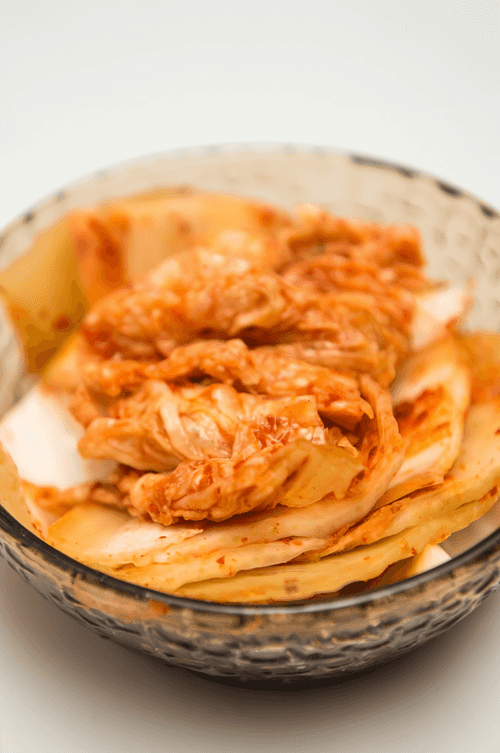
Kimchi is the heart of Korean cuisine, a legendary dish with a millennia-old history. It originated as a way to preserve vegetables for long winters and has become a symbol of Korean hospitality over time. Spicy, flavorful, and crunchy, kimchi excites taste buds with its piquant heat and rich aroma of fermentation. Cabbage soaked in salt and spicy paste with hints of garlic, ginger, and fish sauce creates the perfect balance of flavors. Kimchi not only pairs excellently with rice and meat dishes but also serves as a base for many Korean soups and snacks. Besides its vibrant taste, it is rich in probiotics that strengthen gut health. This culinary masterpiece requires patience in preparation, but the wait is worth it: after fermentation, it reveals its depth and complexity.
13
12
120

Pie with spicy chicken and Beijing cabbage is a harmony of crispy crust and juicy filling infused with the aroma of spices. This recipe combines European culinary traditions with hints of Eastern spices, creating a dish that warms the soul and delights the taste buds. Puff pastry soaked in egg forms a golden crust under which lies spicy chicken rich in garlic aroma and tender Beijing cabbage. Sesame adds a light nutty note, deepening the flavor. This pie is perfect for a family dinner or a cozy evening with friends. The simplicity of preparation combines with exquisite taste, making it a favorite among lovers of unusual yet accessible homemade dishes.
10
8
90
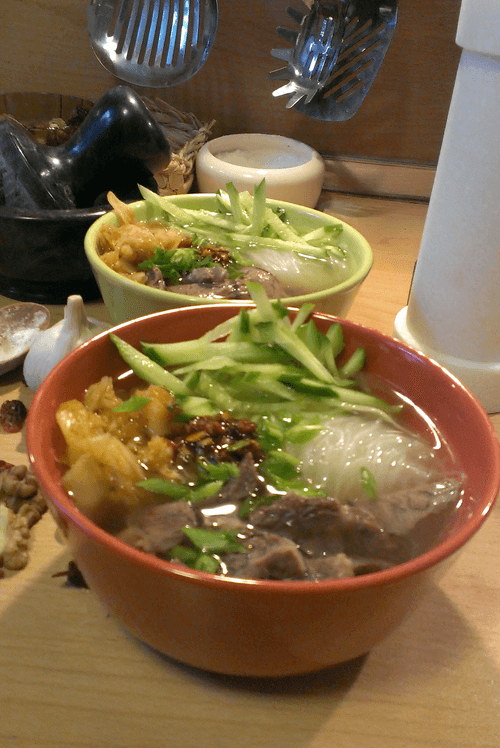
Spicy kuksi soup with kimchi is a vibrant blend of Thai flavors with Korean notes. Its roots trace back to the rich tradition of East Asian soups, where spiciness meets the depth of broth. The beef shank-based broth gives the soup richness, while rice noodles add lightness. Kimchi provides spicy heat and fermented nuances, while fresh cucumbers and green onions refresh the taste. The sauce with chili paste and sesame makes the soup rich and aromatic. This dish warms on cold days and invigorates in heat, offering a balance of spicy, salty, and fresh flavors. Perfect for lovers of Eastern tastes and those who appreciate gastronomic experiments.
9
8
90
Duck soup with Beijing cabbage is a fragrant and rich dish of Chinese cuisine that harmoniously combines the tenderness of duck meat, the spiciness of ginger, and the earthy flavor of shiitake mushrooms. This soup has deep roots in traditional Chinese cooking, where duck broth is valued for its nourishment and richness. Light yet crispy strips of Beijing cabbage add freshness, while green onions finish the composition with a hint of sharpness. This soup warms, satisfies, and is perfect for a family lunch or dinner. With its rich flavor profile, it can serve as a standalone dish or accompany the main course. An ideal choice for those who appreciate a balance of richness and freshness in food.
7
6
40

Miso soup is a very basic dish that has become a symbol of Japan no less than sushi. Just add water, grind and mix - that's the whole recipe in a nutshell. According to Japanese etiquette, the soup made from fermented bean paste is not served separately before the main courses, but is sipped throughout the meal to clear the taste buds and restore your appetite. That's why the additives to it are ascetic: tofu cubes, seaweed or greens. You won't find any mushrooms, chicken or shrimp in the bowl of soup - all these additional ingredients have grown onto the traditional recipe, like shells to the bottom of a ship, when the soup reached overseas Japanese restaurants.
9
2
60
Spicy soup with chorizo sausage and cabbage is a true embodiment of Italian rustic cuisine, where the simplicity of ingredients combines with rich flavor. The spicy chorizo adds zest to the dish, while cabbage and beans provide nutritional richness. A light garlic aroma, soft potatoes, and bright notes of lemon juice make this soup warming and invigorating. Its recipe can be traced back to traditional Tuscan cuisine, where similar soups are made from seasonal products. It is served with olive oil that highlights the flavor harmony and depth of the ingredients. This soup is perfect for cozy home lunches, reminiscent of warm Italian evenings filled with the aroma of spices and fresh produce in the kitchen. Rich, hearty, and hunger-satisfying – true culinary magic in every spoonful.
12
8
40

Kimchi jjigae is a vibrant dish embodying the bold flavors of Korean cuisine, despite its unexpected classification as European. Its base is spicy fermented kimchi, which adds depth of flavor with notes of acidity and heat to the soup. This dish combines tender pieces of pork, silky tofu, and aromatic mushrooms, while white semi-dry wine adds subtle sweetness and sophistication. Chili pepper and garlic create a warming effect, turning the soup into a true culinary 'storm.' This soup is perfect for cool evenings or when you want to experience richness in every sip. Traditionally served hot and garnished with fresh green onions for a finishing touch of freshness and crunch. It pairs best with boiled rice that balances the spiciness and highlights the richness of flavors.
11
4
30

This recipe is a true celebration of flavors. Honey-glazed chicken infused with the aromas of soy sauce, ginger, and chili achieves a delightful caramelized crust and a spicy note. The salad combining lettuce, romaine, napa cabbage, and kimchi offers freshness and heat, creating a harmonious balance with the rich chicken. This dish is a bold fusion of American culinary tradition with Asian motifs, perfect for both festive dinners and everyday enjoyment. The lightness of the salad and the depth of flavor in the chicken make it a versatile choice for gourmets who appreciate rich and complex flavor combinations.
17
6
20

Lazy cabbage rolls with Beijing cabbage, vermicelli, and chicken gizzards are a modern interpretation of a classic Russian dish created for lovers of aromatic and hearty recipes. Unlike traditional cabbage rolls, this version does not require long cooking or wrapping filling in cabbage leaves. Tender chicken gizzards soaked in spices and soy sauce combine with thin rice noodles to create an amazing texture combination. Beijing cabbage adds lightness and freshness to the dish, while cilantro and lemon provide bright flavor accents. These cabbage rolls are perfect for a cozy family dinner or as an original treat for guests, showcasing the subtle intertwining of Russian cuisine with Asian motifs.
10
4
15

Kimchi soup with turkey thigh is a blend of deep Korean tradition and the tender taste of turkey. Kimchi, a symbol of Korean cuisine, adds a spicy kick and richness to the dish, while turkey makes it softer and more nutritious. Historically, kimchi has been used as a base for many hot dishes due to its rich flavor profile. The soup is warming with a slight tanginess and spiciness balanced by the juiciness of tomatoes and aromatic spices. Perfect for cold weather, it nourishes the body with beneficial nutrients and awakens the appetite. Served hot, best in a deep bowl to retain its rich flavor. It's not just food; it's a true culinary experience revealing the diversity of Korean gastronomy.
8
8
35

I tried to buy Chinese cabbage for this kimchi (this is a traditional Korean recipe), but it was all of poor quality. So I made quick kimchi from regular white cabbage. If you start from the fact that kimchi is a type of dish, then it doesn’t matter what kind of cabbage you put in it. I’ve made kimchi from both Brussels sprouts and cauliflower. The special thing about cabbage kimchi is that you need to cook rice flour porridge with it. It won’t affect the taste, but it will allow this aromatic spice mixture to stick to the cabbage properly. Otherwise, everything can drip to the bottom of the dish, and the point is for the mixture to coat the product.
10
10
30

Traditional Korean cabbage kimchi is not just a dish but a symbol of Korean cuisine that carries centuries of history. The art of fermentation has allowed vegetables to be preserved for long winter months, turning them into a flavorful delight. Kimchi has a bright, spicy taste that awakens the appetite and pairs wonderfully with rice, meat, and even soups. Its spiciness and complexity come from the combination of garlic, ginger, fish sauce, and shrimp paste. Fermentation gives it a slight tang and rich depth. This Korean delicacy is not only delicious but also healthy—rich in probiotics and vitamins. Kimchi can be consumed right after preparation or left for several months to enhance its flavor. This dish is the soul of Korean cuisine that awakens the senses and warms the heart.
13
4
60