












Recipe Catalog
Recipes with all the words: 4. Next come recipes that match some of the words
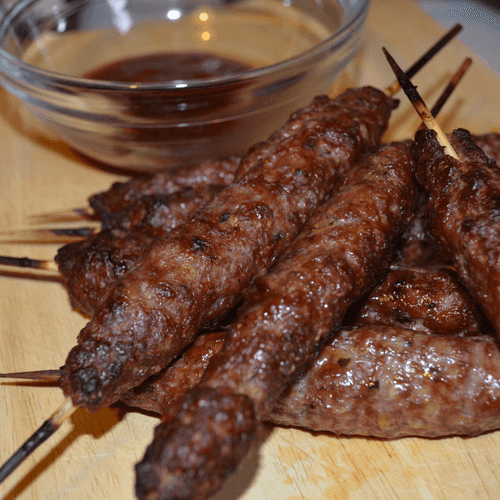
Lula kebab with satsivi sauce and pickled onions is a refined dish that combines the rich aroma of spices and the tenderness of lamb. This recipe has roots in the culinary traditions of the Caucasus, where skewered meat became a symbol of cozy gatherings and warm meetings. Pickled onions add a piquant touch and slight acidity to the dish, while the velvety satsivi sauce complements it with a rich tomato flavor with hints of spiciness. With careful mixing of the minced meat and proper baking, lula kebabs turn out surprisingly juicy and melt-in-your-mouth tender. Serving with greens and fresh lavash makes this dish a complete gastronomic delight, perfect for both a cozy family dinner and festive gatherings.
13
4
60
Recipe by Eka Dzhikia, chef of the Riviera restaurant.
10
6
40

Satsabeli sauce is a vibrant embodiment of Georgian culinary tradition, characterized by a rich nutty-spicy flavor with sweet and sour notes. Its history traces back to ancient Georgian recipes where the harmonious blend of aromatic spices and fresh ingredients creates the perfect condiment for meat, fish, or vegetables. The base of the sauce is walnuts that give it a dense texture, while pomegranate juice adds a tangy acidity. Imeretian saffron, garlic, and cilantro provide special depth of flavor, while chicken broth adds softness and richness. Traditionally, satsabeli is served with roasted or stewed meat, creating a harmonious combination of flavors that highlights the natural aromas of Georgian cuisine.
8
4
5
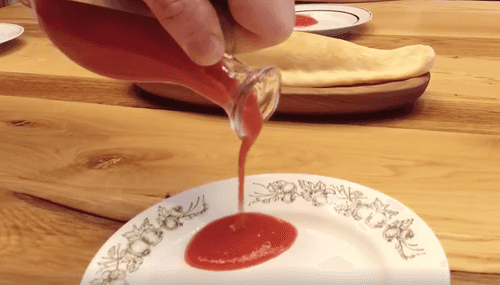
Satsebeli is translated from Georgian as just a sauce, any sauce, without details or explanations. It is no coincidence that the recipe for this main Caucasian seasoning for shashlik is so changeable. It is originally fruit and berry, with sourish flavors like pomegranate or blackberry. But now the main version of satsebeli is considered to be tomato, in which they add sweet and hot peppers and hops-suneli. But they do not add greens: Mamia Dzhodzhua, chef of the Kazbek restaurant, who shared with us the recipe for traditional satsebeli, considers this a violation of the canons.
8
1
90
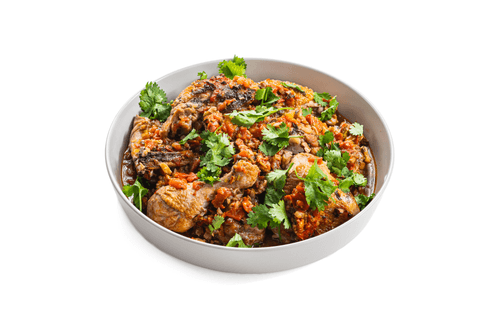
"Satsebeli" is translated from Georgian simply as "sauce", this dressing is the basic one in Georgian cuisine. It is prepared only from the ripest sweet seasonal tomatoes. Often satsebeli is served not only as a side dish, but also meat and poultry are stewed in it. The fact is that the acid, which is abundant in tomatoes, softens the veins and fibers well and helps to negotiate even with the most stubborn piece of meat. And adding grapes to the tomato thick gives the not very gastronomic drumsticks of an ordinary broiler a hundred steps forward both in taste and in the elegance of serving.
12
6
60
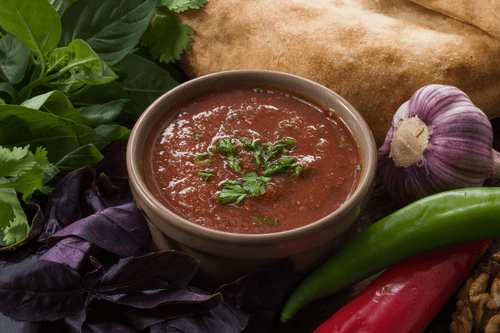
Satsebeli is translated from Georgian simply as "sauce", this dressing is the basic one in Georgian cuisine. It is prepared only from the ripest, sweetest, seasonal tomatoes. It is good for fried chicken, and for meat stew, and for fish. Satsebeli is served with any hot dish, almost spread on bread.
7
20
40
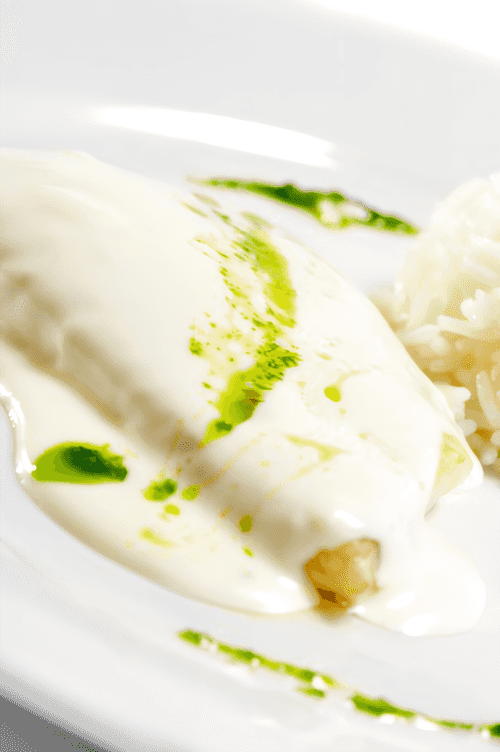
Beurre Blanc sauce is the pinnacle of French gastronomy, an exquisite white butter sauce born in the Nantes region. Legend has it that it was created by mistake but became a culinary masterpiece. Its velvety texture and delicate creamy flavor with hints of wine and onion make it the perfect accompaniment for fish, seafood, and vegetables. The secret of the sauce lies in the slow incorporation of butter, creating an elegant emulsion. It transforms any dish into a refined treat, adding softness and depth of flavor. It should be served fresh before losing its lightness and shine. This sauce is a true tribute to French culinary art, embodying balance and harmony of flavors.
7
4
20
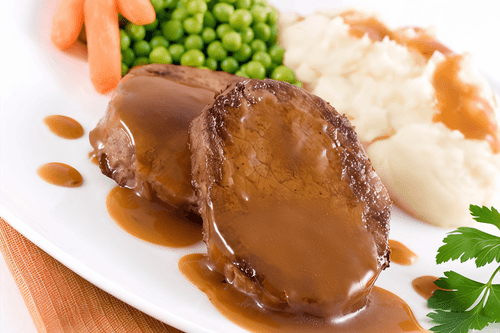
Espagnole sauce is a classic of French cuisine and one of the five mother sauces established by the great Auguste Escoffier. Its rich flavor comes from slow simmering meat bones, vegetables, and wine, creating a deep, caramelized aroma with delicate notes of thyme and bay leaf. The sauce has a thick, silky texture and pairs perfectly with red meats, game, and braised dishes. In culinary arts, it serves as the base for many derivative sauces like demi-glace and bordelaise. Due to its versatility, espagnole is used as a foundational element to enrich dishes with flavor. This sauce requires patience but rewards with exceptional gastronomic pleasure reflecting the traditions of French haute cuisine.
16
10
240

Gamadari is a classic Japanese nut sauce that perfectly complements chuka salad. Its origins are rooted in traditional Japanese cuisine, where harmony of flavors takes center stage. Thick peanut paste gently warmed with water transforms into a silky base enriched with soy sauce, sesame oil, rice vinegar, and mirin. This mixture creates a balance of sweetness, light acidity, and umami that highlights the freshness of seaweed. The chilled sauce sprinkled with sesame seeds adds textural depth and nutty sophistication to the dish. It is used not only for salads but also as a dressing for vegetables and seafood to enhance their flavor. Gamadari is an ideal example of Japanese simplicity and perfection that turns any dish into a gastronomic delight.
7
4
30
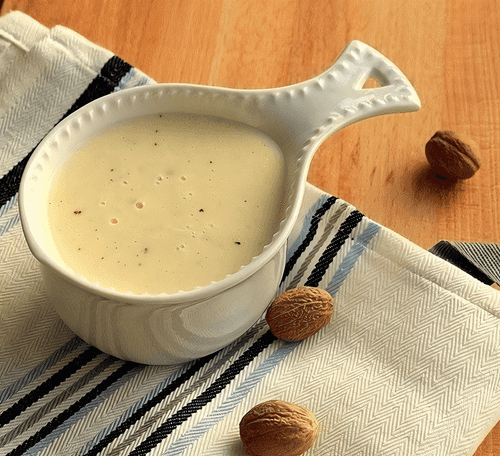
The 'Béchamel' sauce, a classic white sauce of French cuisine, serves as the base for many dishes. Its history dates back to the time of Louis XIV when the court chef refined the recipe and named it after the Marquis de Béchamel. Its smooth, velvety texture and delicate milky flavor with subtle nutty notes make it an ideal complement to lasagna, gratin, or vegetable dishes. Made from butter, flour, and milk, 'Béchamel' is versatile: it can be enriched with cheese, spices or herbs. This sauce not only decorates dishes but also adds depth of flavor and sophistication, transforming ordinary ingredients into a culinary masterpiece.
5
6
25
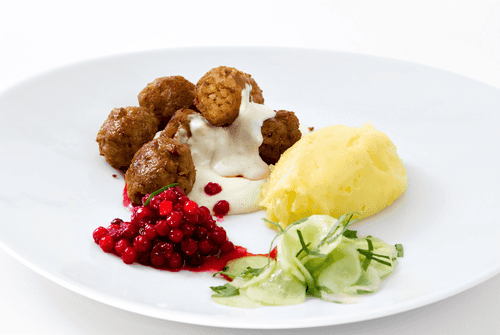
These meatballs with a classic accompaniment of mashed potatoes and lingonberry and brown sauce have become one of the most famous Swedish dishes thanks to IKEA. The bread crumbs soaked in milk are an extremely important component: they give the meatballs their special, soft texture.
16
6
90
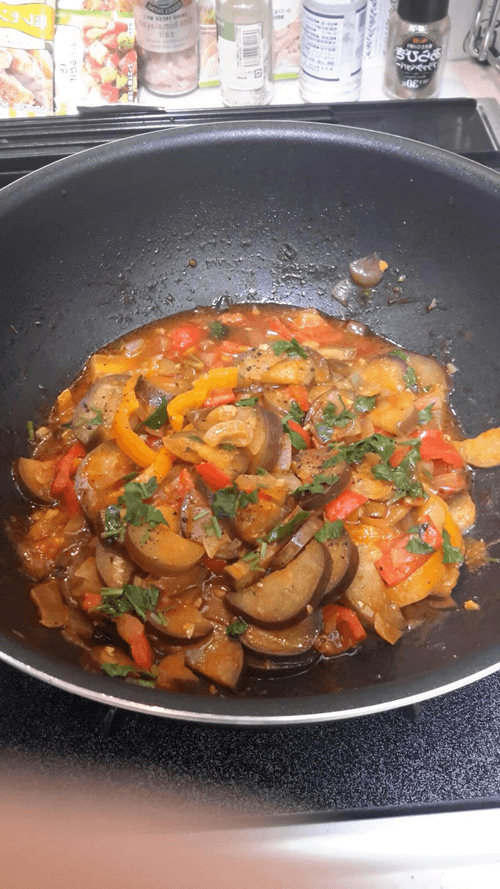
Vegetables stewed in a sauce of juices and soy sauce are a vibrant and aromatic dish of European cuisine that delights with a harmony of flavors. The combination of eggplant, sweet pepper, and onion is deepened by a spicy sauce made from lemon and tomato juices, olive oil, and soy sauce. This sauce infused with garlic and chili pepper adds a spicy kick to the dish, making it rich and expressive. Such a recipe is perfect for an everyday dinner or festive table as the vegetables retain their natural texture while absorbing the rich aroma. Serving with parsley and freshly ground black pepper completes the composition, adding freshness and sophistication. This dish not only pleases the palate but also carries lightness and health benefits.
13
4
220
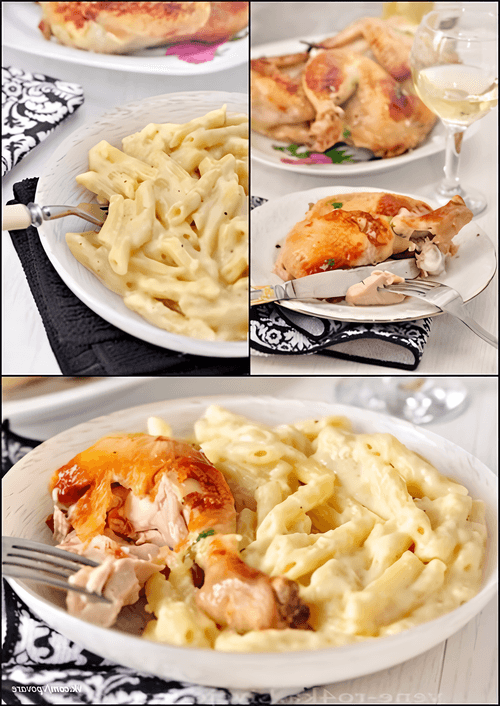
Fried chicken with garlic sauce and penne in cheese-cream sauce is a true delight for gourmets. The recipe combines crispy, aromatic chicken enriched with flavor from the marinade with tender pasta enveloped in velvety cheese-cream sauce. The garlic sauce adds a zesty freshness to the dish, harmoniously complementing the juiciness of the meat. This recipe draws inspiration from traditional Russian cuisine while incorporating elements of European gastronomy. The dish's hallmark is the balanced combination of textures: the crispy crust of the chicken, the tenderness of the pasta, and the creamy softness of the sauce. It is perfect for a cozy family dinner or a festive feast. Serve with a glass of white wine to highlight the depth of flavor nuances.
20
8
90
Wontons with walnuts, complemented by two refined sauces, create an amazing combination of a crispy shell and tender filling. This recipe embodies the traditions of Chinese cuisine, where the art of making wontons is passed down through generations. Crispy fried wontons hide a nutty-herb filling that reveals its deep flavor with every bite. A refreshing avocado and apple tartar adds lightness, while the green onion sauce adds zest. This dish is perfect for both festive dinners and gastronomic experiments, surprising guests with its vibrant taste and original presentation.
19
6
40
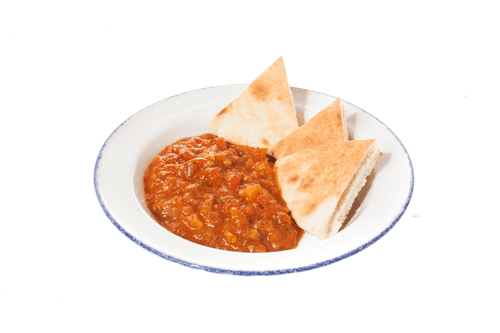
Express version of Israeli vegetable paste - matbukha. It is used to make scrambled eggs, shakshuka, or simply spread on bread. In the original version, matbukha is stewed for 6 hours, but half an hour is enough for peppers and tomatoes to become sweet , and the taste of the paste - rich. And if it so happens that you have too many vegetables, the finished matbukha can be rolled up in jars.
9
6
120




















