

















Recipe Catalog
Recipes with all the words: 1. Next come recipes that match some of the words
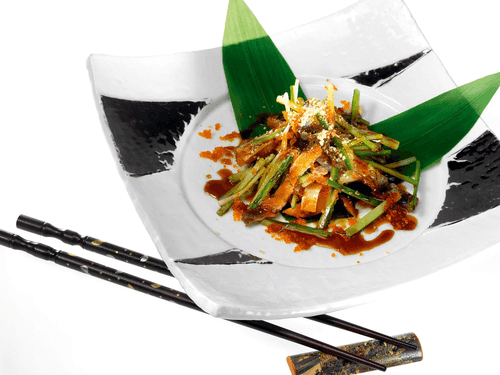
The Japanese consider skin to be a full-fledged ingredient: they cover chicken skin with a sweet glaze and fry it into kushiyaki skewers, roll up boiled pork skin into a butanika roll, and add fried fish skin to salads instead of chips. And this is not food for the poor. It's just that those important truths that the rest of the world is just beginning to come to, like reasonable consumption or waste-free technologies, have been the norm in Japan for centuries: everything that can be eaten should be eaten, everything that should decorate life should decorate it. For example, fish skin is not garbage for the Japanese, but a powerful means of expression. Fried, it looks like crispy mica and adds textural contrasts and sea notes to a vegetable salad. The result is Japanese porridge from topor , where the main feature is made of something we are used to throwing away.
5
1
20
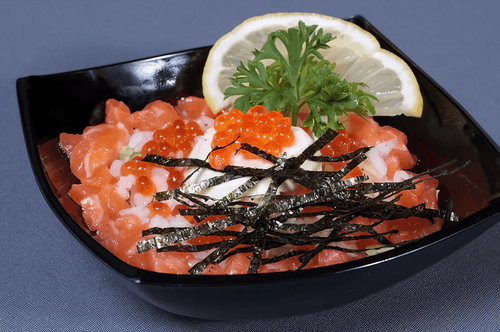
Ikura sarada is a delicate and elegant dish of Japanese cuisine that combines the freshness of seafood with the creamy softness of cheese. This salad incorporates traditional Japanese ingredients such as rice, seaweed, and red caviar, symbolizing richness and refined taste. Historically, dishes with caviar were considered delicacies, and the combination of salmon and caviar signifies luxury. The flavor of this salad is a harmony of tender salmon, crunchy cucumber, and the rich taste of caviar complemented by the softness of Philadelphia cheese. It is perfect as a festive treat or appetizer served with soy sauce that enhances the depth of flavor.
8
4
15

Pears with sake and warm chocolate sauce is an amazing combination of flavors and textures that transports us to the exotic atmosphere of Brazil. Poached in a spiced syrup with anise, cinnamon, and lime, the pears acquire a rich, slightly caramel flavor with hints of citrus and Eastern spices. The warm chocolate sauce with cream and butter adds a velvety texture and a slight bitterness of dark chocolate, creating a harmonious contrast with the fruity freshness. This dessert is perfect for special occasions – it is elegant, refined, and can charm even the most discerning gourmets.
10
4
70

This exquisite Japanese recipe reveals the delicate taste of fresh mussels enriched with the aromas of sake, soy sauce, and ginger. Japanese cuisine is renowned for its ability to highlight the natural flavors of ingredients, and this dish is a perfect example. Baked in foil with thinly sliced vegetables, the mussels acquire a rich flavor, while the combination of savory soy sauce, spicy ginger, and a light alcoholic hint of sake makes each serving truly harmonious. Butter adds softness, balancing the dish's structure. Baking in the oven helps retain the juiciness and natural sweetness of the seafood. This dish is perfect for both a festive dinner and a cozy evening with a glass of white wine that enhances the depth of flavor nuances.
11
2
70

Lemon grass, chili, sake, and anise cream caramel is a refined blend of Japanese and European culinary traditions. Its roots lie in the classic French dessert but gains a unique Eastern character with the addition of lemon grass, spicy chili, aromatic cinnamon, and anise. The delicate texture of the caramel combines with light spiciness and citrus notes while sake adds a subtle hint of Japanese elegance to the dessert. This dessert is perfect for special occasions, highlighting the sophistication of flavor and the refinement of Japanese cuisine. A wonderful conclusion to a meal, it envelops you in tenderness and leaves a pleasant warmth on the tongue.
10
2
25
Marinated mackerel with soy, ginger, sake, and mirin is a refined dish of Japanese cuisine that combines a balance of rich flavors and delicate texture. The mackerel soaked in an aromatic marinade of light soy sauce, fresh ginger, garlic, sake, and mirin gains tenderness and depth of flavor. The light sweetness of mirin harmonizes with the spiciness of the sauce, creating the perfect accompaniment for fried fish. Historically, the Japanese valued mackerel for its nutritional properties and rich taste, while marinating enhances its richness. Serving it on airy rice makes the dish particularly filling, and adding pickled vegetables brings refreshing notes. This is a wonderful treat for those looking to immerse themselves in authentic Japanese culinary traditions.
8
4
80
Pork with vegetables, sake, and miso paste is a dish where Japanese traditions blend with the rich flavors of meat and vegetable ingredients. The recipe's origins delve deep into Japanese gastronomy, where miso and sake are essential elements of the cuisine. Bacon adds a rich aroma to the dish, while vegetables provide a balance of freshness and sweetness. Shiitake mushrooms contribute a tender texture, and dashi enhances umami notes. Cooking in a wok preserves the juiciness and natural flavors of the ingredients. It is perfect for a cozy dinner or as part of a meal that conveys the Japanese spirit.
11
4
50

Miso and sake marinated salmon is a refined dish of Japanese cuisine, combining the rich umami flavor of miso paste with subtle hints of mirin sweetness and deep notes of sake. This cooking method allows the fish to absorb all the marinade's aromas, becoming incredibly tender and juicy. After baking and lightly browning on the grill, the salmon develops an appetizing caramelized crust that pairs beautifully with its soft texture inside. The dish can be served with rice, fresh vegetables, or light pickled sides for a harmonious and balanced taste.
6
2
25

Marinated salmon in sake and wasabi with a fragrant sauce is an exquisite Japanese dish that combines traditional ingredients to create a harmony of flavors. The tender salmon fillet is infused with a rich marinade of sake, tamarind paste, and wasabi, acquiring spicy and slightly sweet notes. After baking in the oven, the fish becomes incredibly tender while retaining its juiciness. The finishing touch is an aromatic sauce based on miso paste, soy milk, and roasted sesame that adds depth to the dish's flavor. This dish is perfect for a Japanese-style dinner and pairs wonderfully with rice or fresh vegetables.
9
4
80

Fruit compote with spices and sake is an amazing blend of Eastern aromas and exquisite fruits, embodying Japanese culinary tradition. Its history is rooted in the culture of warming drinks, where spices and alcohol create a balance of flavors. Rich notes of anise, cinnamon, and a light spicy accent of chili harmoniously combine with the sweet-sour taste of dried fruits, apples, and pears. The addition of sake gives the drink softness and a warming touch. This compote is perfect for winter evenings, creating an atmosphere of coziness and tranquility, and can also be a wonderful complement to desserts or light snacks. It not only quenches thirst but also becomes a true gastronomic journey that reveals the richness of Japanese flavor traditions.
14
4
40

Teriyaki sauce with sake is a refined addition to Japanese cuisine, giving dishes a rich sweet-salty flavor with a hint of caramel. Its roots trace back to ancient Japan, where soy-based sauces were used for marinating meat and fish. Sake adds soft alcoholic notes, enhancing the aroma and adding zest. Its thick texture makes it ideal for glazing baked dishes as well as for marinades or dipping sauces. Its rich, deeply umami flavor pairs wonderfully with chicken, salmon, grilled vegetables, or even rice, transforming ordinary meals into gastronomic masterpieces.
4
4
20

Mushroom soup with pancetta and sake is an unusual flavor combination that blends Jewish culinary traditions with Japanese notes. Dried shiitake mushrooms add depth and richness to the soup, while sake contributes a subtle sweetness and roundness of flavor. Crispy pancetta brings a savory meat note that perfectly complements the delicate spinach leaves. Sesame oil and chili garlic sauce add a light spiciness and aromatic warmth, making each spoonful rich and comforting. This soup is suitable for a cozy family lunch or a festive feast, surprising guests with its exotic taste. Served hot and garnished with fresh green onions for added freshness to complete the flavor composition.
10
4
30

Lychee and mango mousse with sake is a refined blend of Eastern elegance and Italian culinary mastery. The delicate lychee puree adds a subtle floral sweetness that harmonizes with the creamy texture of whipped cream and airy Italian meringue. Mango contributes juiciness and tropical freshness, while fig soaked in sake reveals rich fruity notes. Spices like cinnamon and vanilla give the syrup a warm aroma, enhancing the enveloping flavor of the dessert. An ideal treat to conclude a romantic dinner or festive gathering, this mousse surprises with its tenderness, depth of flavors, and exotic character. Serve chilled, garnished with fig pieces and drops of fragrant syrup, savoring each delicate bite.
12
2
45

Sake kyuri rolls are a refined blend of traditional Japanese flavors with a hint of teriyaki spiciness. Salmon, tender and buttery, harmoniously complements the crunchy cucumber, while cream cheese adds a velvety texture. The composition is finished with red caviar, giving the dish a noble touch. The origins of this dish trace back to Japanese culture, where fresh ingredients and minimalism in preparation play a key role. These rolls can be served as an exquisite appetizer at formal dinners or enjoyed in the cozy atmosphere of home. The harmony of taste and aesthetic presentation makes them a true culinary masterpiece.
6
4
20

Salmon and rice soup is an exquisite dish of Pan-Asian cuisine rooted in Japanese traditions. The light yet rich flavor of the broth infused with the aroma of tender salmon harmoniously combines with airy grains of rice, creating a refined and warming dish. Green onions add freshness, while soy sauce enhances the depth of flavor. Nori seaweed and sesame give the soup a unique character, evoking nostalgia for the sea breeze. Wasabi served separately allows for a touch of spiciness. This soup is the perfect balance of simplicity and sophistication, suitable for cozy home evenings as well as gastronomic delights.
7
4
30




















