
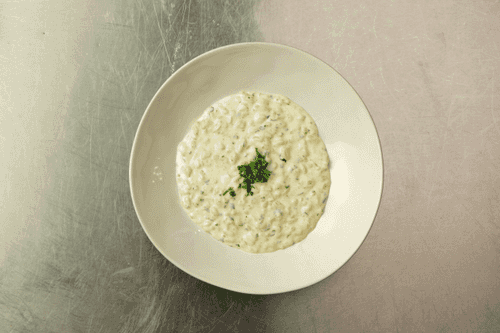












Recipe Catalog
Showing recipes for “rum baba from champagne according to the recipe of vincent kale”. No recipes contain all the words, showing recipes that match some of them

Rum baba from Champagne by Vincent Dalle's recipe is a refined dessert with a rich history. Its roots go back to the 18th century when French pastry chefs adapted the Eastern European baba-bretzel. The delicate airy dough soaked in aromatic syrup with Marc de Champagne and oranges offers incredible softness and rich flavor. Noble rum and spices like cinnamon, vanilla, and star anise add sophistication. Served with vanilla cream, this dessert is perfect for festive dinners and special occasions.
17
10
120
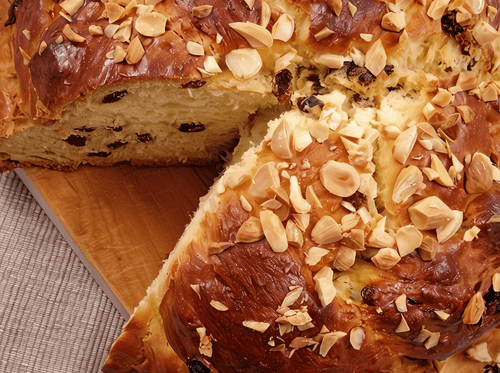
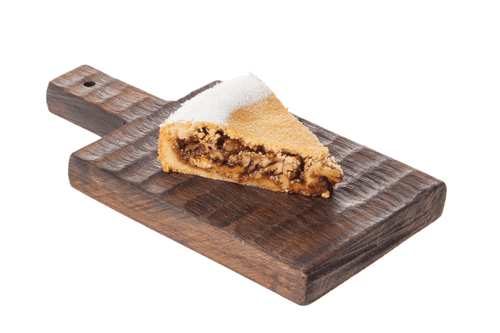
Airy rum baba is a true embodiment of French culinary mastery. This dessert originated in Alsace, a region known for its refined sweets and pastries. Its delicate, airy texture is achieved through yeast dough infused with the aroma of rum and sweetened with raisins. Almonds carefully placed at the bottom add a pleasant crunch, while nutmeg provides a subtle spice. After baking, the baba is dusted with powdered sugar, transforming into an exquisite dessert that pairs perfectly with a cup of strong coffee or dessert wine. It can be the centerpiece of a festive table or an elegant addition to a cozy family tea time. This dessert delights with its flavor, tenderness, and aroma, awakening the senses and creating an atmosphere of French gastronomic pleasure.
14
12
120

Rum baba with raisins is a classic Russian pastry rooted in European traditions. The sweet, airy dough infused with the aroma of vanilla and rum gains incredible softness through a special preparation method. Raisins add a delicate fruity sweetness, while soaking in wine syrup gives the dessert a rich flavor and juiciness. This pastry is traditionally served with tea and pairs excellently with hot beverages, creating an atmosphere of coziness and celebration. Rum baba is not just a dessert but a symbol of home warmth, hospitality, and the hostess's skill.
11
6
30

Neapolitan rum baba is a delightful dessert that originates from French and Italian culinary traditions. Legend has it that it was created by Polish King Stanisław Leszczyński, who once improved a dry cake by soaking it in alcohol. Today, this airy, tender dessert soaked in rum syrup is a classic of Neapolitan cuisine. Its texture is soft and juicy, and its flavor is sweet with subtle notes of rum that add noble depth. It is traditionally served with cream, fruits, or simply with a cup of aromatic coffee. It’s the perfect ending to a meal that transports you to the sunny streets of Naples where sweet indulgence becomes part of the culture.
8
10
120
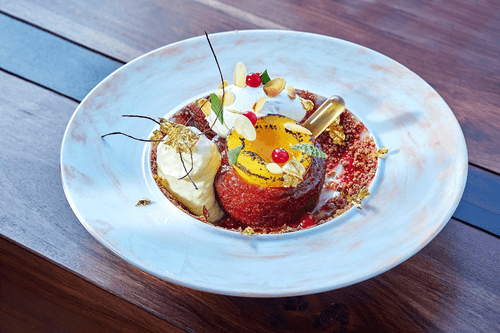
Rum baba 'Melba' is an exquisite dessert of Spanish cuisine inspired by the refined style of French gastronomy. Its history traces back to traditional rum cakes that have evolved over time with new flavor nuances and original serving methods. In this version, airy yeast dough is soaked in a rich rum syrup, creating a moist and aromatic texture. Subtle sweet notes of vanilla and caramelized sugar perfectly complement the light tartness of red currants and peaches, adding freshness. A topping of cinnamon crumble, airy vanilla mousse, and almond layers completes the culinary symphony. This dessert is not just a sweet treat but a true work of art, perfect for special moments or leisurely enjoying a cup of coffee in a cozy atmosphere.
11
1
65
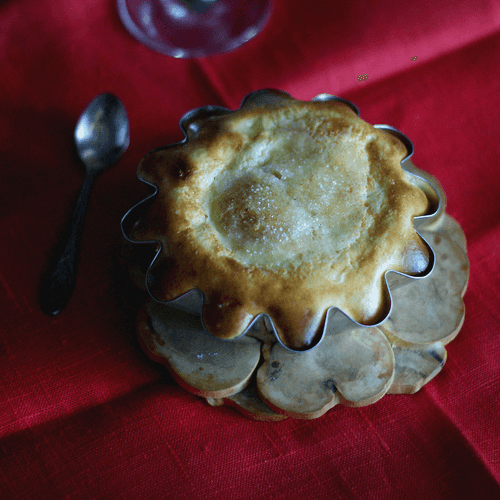
Fruits by Victor Hugo's recipe is an exquisite dessert inspired by French cuisine, where the simplicity of ingredients meets refined flavor. The combination of tender apples and pears baked in caramel sweetness is topped with an airy, creamy mixture of milk, flour, and eggs. The vanilla aroma and light crispy crust give this dish a special charm. Serving it with fresh cream or milk makes it even more delicate. Such a dessert can easily be imagined on the table of a writer immersed in thoughts about life and literature. It is perfect for both a cozy family evening and a formal dinner, delighting guests with its aroma and texture.
7
6
45

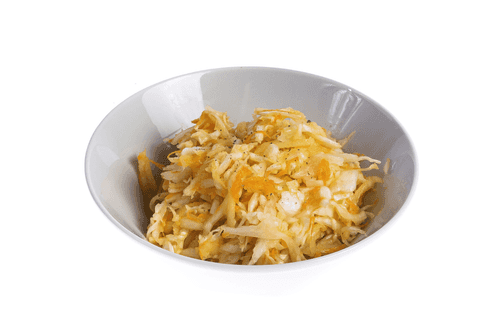
Cabbage with pearl barley according to Fekla Tolstaya's recipe is a simple yet remarkably aromatic dish of European cuisine, rooted in the traditions of Russian home cooking. The combination of tender stewed cabbage with the tangy notes of vinegar and the sweetness of carrots creates a harmonious balance of flavors. The pearl barley, absorbing the aromas of the vegetables, becomes soft and rich, adding heartiness and textural depth to the dish. This recipe evokes leisurely family dinners where simple yet honest ingredients transform into true culinary discoveries. It is perfect for everyday meals as well as cozy gatherings. Due to its richness and robust flavor, cabbage with pearl barley can serve as both a standalone dish and a side for meat or mushroom delicacies.
9
4
40
Baji is a traditional Georgian sauce made from walnuts that brings a rich, deep flavor to dishes. In the recipe by Giorgi and Irina Totibazde, the nuts are turned into a delicate paste enhanced with aromatic spices: cilantro, khmeli-suneli, saffron, and garlic. Wine vinegar adds a subtle tang that balances the depth of the nutty flavor. The sauce pairs perfectly with roasted chicken that absorbs all its aromas, creating a harmony of textures and flavor notes. Baji is not just a sauce but a symbol of Georgian hospitality and culture; it is served as a festive treat that reveals the warmth and generosity of Georgia's culinary traditions. Each spoonful of this dish is a journey to the heart of the Caucasus where food unites and inspires.
9
8
60
Olga Sutulova's Thai snack of eggplant and tofu is a blend of the tender taste of baked eggplants with the spiciness of garlic, chili pepper, and a sweet-sour hint of lime. Fish sauce adds a rich umami note to the dish, while cane sugar balances the spiciness of the spices. Traditional Thai flavor accents make this dish vibrant and aromatic, perfect as a standalone snack or an accompaniment to rice. This recipe reveals the philosophy of Thai cuisine – balance of flavors and natural ingredients. The eggplants become soft as they absorb the sauce, while tofu complements the texture, creating harmony. Historically, Thai cuisine is known for using fresh spices and sauces to create a unique flavor profile, and this dish is no exception – it embodies simplicity and richness at once.
11
6
20
This exquisite recipe transports us to the world of Thai cuisine, where the harmony of flavors plays a key role. Eggplants soaked in an aromatic sauce made from miso paste, sesame oil, and rice vinegar acquire a rich, umami-filled taste. Their soft texture perfectly complements juicy shrimp and tender scallops baked to a light golden brown. Wasabi and soy mayonnaise add spiciness, while honey softens their sharpness, creating a balanced composition. Before serving, the dish is garnished with fresh cilantro for brightness and freshness. Such a dish is not just a gastronomic delight but also a true example of how Japanese and Thai culinary traditions can converge in one creation, revealing the full palette of Asian flavors.
13
2
15
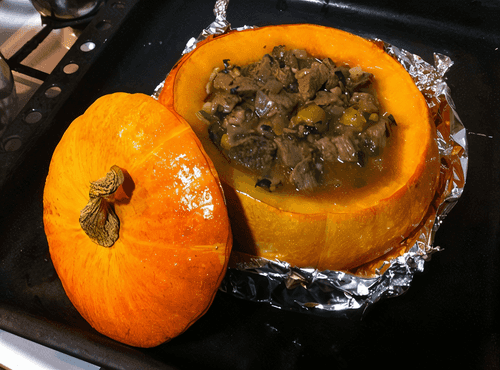
This recipe immerses us in the atmosphere of Morocco — a land of spices, aromas, and culinary wonders. Lamb slowly simmered in a fragrant spice mix absorbs the warmth of cinnamon, the mild heat of chili, and the depth of cumin. Pumpkin baked to softness becomes a natural vessel for the meat stew, soaking up its flavor while adding a gentle sweetness. Olives, lemon juice, and fresh herbs complete the composition, creating a harmony of flavors. Historically, lamb and pumpkin dishes were common in North African cuisines, and the use of spices pays homage to Moroccan tradition that skillfully blends sweet and spicy. This dish is perfect for a leisurely family dinner or festive gathering where its aroma and deep flavor will be the center of attention.
21
6
150
Pickled grapes according to Irina Meglinskaya's recipe is an amazing combination of simplicity and refined taste. This authorial recipe transforms aromatic 'Isabella' grapes into a savory treat soaked in a salty brine with mustard and dill. This preservation method has been known since ancient times when fruits and berries were salted for winter storage. The taste of pickled grapes pleasantly contrasts between sweetness and a light spicy note, while the marinade makes it juicy and rich. It can be used as an independent snack, an addition to meat and fish dishes, or as an original ingredient for salads. After a month of aging in a cool place, the grapes acquire a rich flavor and amazing texture, making it a true gastronomic delight.
5
6
10
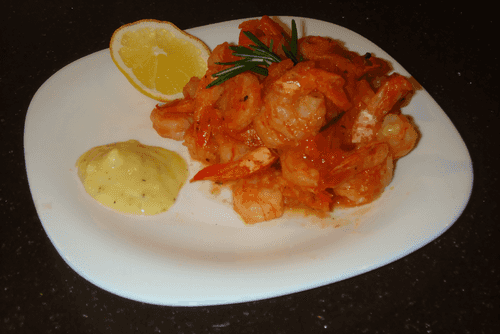
Tiger shrimp with tomatoes, garlic, and herbs is a refined dish of Italian cuisine inspired by Mediterranean traditions. The combination of juicy shrimp with the aroma of white wine and fresh herbs adds sophistication and depth of flavor. 'Concasse' tomatoes bring brightness and a slight tanginess, while butter makes the sauce silky and rich. This recipe is perfect for seafood lovers seeking harmony in flavors. Serving with lemon adds freshness, while chopped parsley completes the composition. A wonderful option for a romantic dinner or festive table.
12
1
25
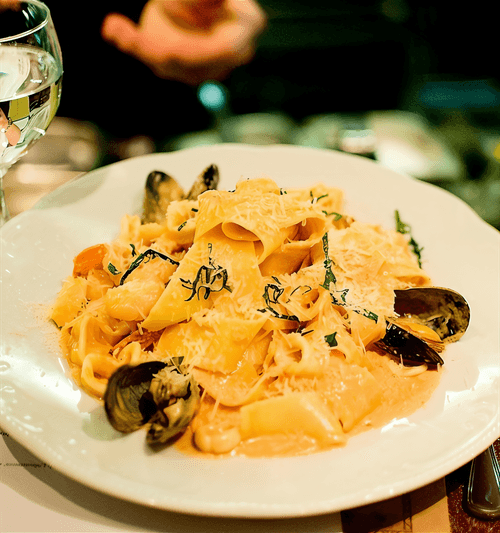
Seafood pasta from the 'Mamina Pasta' restaurant recipe is a refined dish of Italian cuisine that combines the richness of marine flavors and the tenderness of a creamy tomato sauce. Legend has it that such recipes originated in coastal areas of Italy where fishermen prepared pasta with freshly caught seafood. The combination of shrimp, squid, and mussels adds richness and depth to the dish, while the addition of white wine reveals marine notes. The subtle aroma of garlic and nutmeg further refines the taste. The dish is garnished with fresh basil and parmesan, giving it a special zest. The best serving is with a glass of chilled white wine, which perfectly complements its harmony and makes an Italian dinner unforgettable.
14
2
25
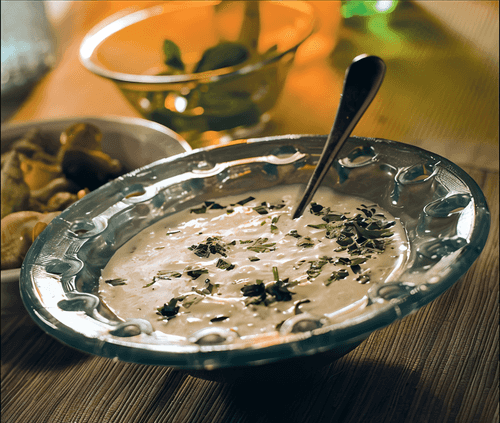
The Kusturica sauce by Seryozha Markovich is an embodiment of bold gastronomic solutions inspired by the richness of Balkan cuisine. Its taste is complex and multifaceted: salty capers, spicy olives, and fresh parsley harmoniously blend with the tenderness of homemade mayonnaise. Whiskey adds a deep, slightly smoky note to the sauce, while lemon refreshes its composition. After cooling, the alcohol evaporates, making the dish accessible to everyone. This sauce perfectly complements meat and fish dishes, enhancing their flavor and providing an unexpected accent to appetizers. Seryozha Markovich's signature recipe carries the spirit of experimentation while remaining simple to prepare and incredible in presentation.
7
4
35




















