










Recipe Catalog
No recipes contain all the words, showing recipes that match some of them

Quinoa pilaf with young peas and green garlic is a refined dish inspired by Italian culinary traditions and a desire for lightness and freshness. Quinoa, known for its nutty flavor and airy texture, harmoniously combines with the sweetness of young peas and the aroma of fresh garlic. A delicate blend of greens, including parsley, mint, and green onions, adds brightness and freshness to the dish. This pilaf is easy to prepare: quinoa grains soak up the aroma of garlic and olive oil while tender peas add softness and contrast in textures. An ideal choice for a light dinner or festive table, this pilaf will delight both gourmets and health food lovers. Serve it warm, enjoying each spoonful of balanced flavor that transports you to sunny Italy.
10
6
60

Pilaf with garlic is a fragrant and rich dish of Tajik cuisine that embodies the traditions and warmth of family gatherings. This recipe traces back to ancient Eastern culinary traditions where pilaf was considered a symbol of abundance and hospitality. Garlic adds a piquant depth to the dish that harmonizes with juicy meat, sweet carrots, and tender steamed rice. Spices penetrate each ingredient to create a rich bouquet of flavors and aromas that awaken the appetite. Pilaf is often prepared for holidays and large family gatherings where it is served hot straight from the pot. Its taste unfolds gradually: first spicy notes are felt, then the delicate texture of rice, and finally — soft meat infused with juices and spices. This dish warms the soul, evoking memories of sunny Central Asia.
6
6
90
Lamb and garlic pilaf is a traditional dish of Uzbek cuisine that embodies the warmth of family hearths and the richness of Eastern flavors. Its history traces back to ancient caravan routes where pilaf served as nutritious and aromatic food for travelers. The rich taste of lamb perfectly complements the softness of rice, the sweetness of carrots, and the spiciness of spices. Garlic, roasted whole, fills the dish with subtle, deep notes. This dish is perfect for festive tables and friendly gatherings as its aroma gathers loved ones around it. Pilaf has a rich and intense flavor, with its golden grains of rice absorbing all shades of spices to create harmonious unity. Each spoonful is a taste of the East infused with traditions and heartfelt warmth.
8
9
150

Levenqi pilaf is a jewel of Azerbaijani cuisine, rich in the aromas of Eastern spices and traditional nut filling. This dish has roots in the ancient culinary traditions of the South Caucasus, where levenqi—a filling made of walnuts, onions, and sweet-sour turshu—gives chicken an exquisite taste and juiciness. The chicken, infused with saffron aromas, is slowly roasted to a golden crust, while the delicate basmati rice, colored with turmeric and saffron, melts in the mouth. Levenqi pilaf is served at festive tables, symbolizing the richness of flavor nuances and the generosity of hospitable Azerbaijani cuisine. This dish not only satisfies hunger but also provides a sense of coziness and traditional home warmth.
12
6
120

For a wedding in Armenia, they always prepare ghapama - fruit pilaf in a pumpkin pot. This dish is considered a symbol of abundance, and apples, raisins, dates, and any other dried fruits are added to it. Ghapama is served cut into slices and opened like a flower.
10
8
120

Uzbek pilaf with lamb fat is a dish that embodies the spirit of Eastern cuisine. Its history goes back centuries when nomadic peoples prepared hearty and nutritious food over an open fire. This pilaf is famous for its rich flavor: tender pieces of lamb are infused with the aromas of sweet carrots, spicy onions, and melted lamb fat, creating a harmony of tastes. The rice, carefully washed and soaked in meat juices, becomes fluffy and fragrant. Traditionally served in a mound with pieces of juicy meat and fresh onions, adding freshness and zest to the dish. Uzbek pilaf is not just food but a symbol of hospitality and family warmth that gathers loved ones around it and provides true culinary pleasure.
5
6
90

Sweet pilaf with pumpkin and fruits is an unusual combination of traditional pilaf and the sweet aromas of fruits. Its origin may be linked to the culinary traditions of European cuisine, which values the balance of flavors and the tenderness of textures. This dish combines the softness of pumpkin, the tartness of quince and apples, the sweetness of raisins, and the creamy richness of butter. Its preparation is an art of layers where each ingredient reveals its flavor, infusing the rice with rich aromas. Serving such pilaf is true gastronomic poetry: it can be both a dessert and an unusual main dish for special occasions. Ideal for cozy family evenings where a bit of sweet comfort is desired.
6
4
30
Rice pilaf with fruits and vegetables is a refined dish of Russian cuisine that combines the tenderness of rice with the rich flavors of prunes, raisins, and stewed vegetables. This recipe originates from the traditions of Russian home cooking, where the combination of sweet and salty ingredients creates a harmonious flavor bouquet. Rice cooked in a water bath acquires an airy texture, while butter adds tenderness. Long stewing with carrots and cauliflower reveals the aromas of the ingredients, making the dish incredibly rich. Pilaf can be served as a standalone dish or as a side to meat. It is perfect for a cozy family dinner or festive table, adding special warmth and richness to the dining experience.
7
4
30
Lamb pilaf with fruits is a refined dish of Azerbaijani cuisine, where traditional Eastern flavors harmoniously blend with fruity sweetness. The roots of this pilaf trace back to ancient times when nomadic peoples infused food with rich aromas by adding dried fruits. Lamb soaked in melted butter becomes tender and juicy, while the rice absorbs the meat juices, gaining a deep rich flavor. Raisins and prunes add delicate sweetness, highlighting the spiciness of bay leaves and onions. This pilaf is not only nutritious but also perfect for festive feasts, impressing guests with its rich aroma and unique texture.
7
4
30

Formally pilaf, but essentially almost risotto. The quinoa will be cooked not in a pot with boiling water, but in a frying pan with fried mushrooms and onions, in a small amount of broth.
7
4
25
This exquisite recipe combines the tenderness of baked yellow pepper, the richness of aromatic pilaf, and the light tartness of currants. Pine nuts add a crunchy texture, while cinnamon brings warm Eastern notes. This dish is perfect for a festive table or a cozy family dinner. European cuisine has absorbed shades of Eastern traditions, creating a harmony of flavors that surprise with their complexity. Baked yellow pepper becomes sweetish, and its softness contrasts with the fluffy basmati rice. Mint finishes this gastronomic symphony with freshness and aromatic coolness, making each forkful truly memorable. This dish is not only delicious but also aesthetically pleasing, delighting the eye with bright colors and noble shades of ingredients.
12
6
80

Barley pilaf with mushrooms is a traditional dish of Czech cuisine that combines simplicity and rich flavor. Historically, barley was one of the main cereal crops in the Czech Republic, and its use in hot dishes reflects the country's rural gastronomy. This pilaf has a rich, nutty aroma of barley that pairs wonderfully with the earthy taste of mushrooms and the softness of sautéed onions. Thyme and parsley add fresh, herbal notes, while chicken broth makes the texture particularly juicy and rich. This dish is perfect for a cozy family dinner, especially on cool evenings when you want to warm up with aromatic and nourishing food. It can be served as a standalone dish or complemented with fresh vegetables and a glass of white wine for a fuller taste experience.
6
6
55
Saffron pilaf with caramelized onions, fried almonds, and raisins is an exquisite dish of Arabic cuisine filled with Eastern aromas. The origins of this recipe date back to ancient times when spices, rice, and nuts were staples in the Middle East. Saffron gives the pilaf a rich golden color and a light floral flavor, while caramelized onions add sweetness and depth. Crunchy almonds and raisins provide a contrast of textures, creating a harmony of flavors. This pilaf is perfect as a festive dish accompanying meat or vegetable delicacies. It is served hot to allow all the aromas to unfold and becomes a true culinary masterpiece when garnished with nuts and raisins.
7
8
75
Saffron pilaf with almonds is a fragrant and exquisite dish of Kyrgyz cuisine inspired by Eastern traditions. Golden saffron gives the rice a sunny hue and a delicate floral aroma, while toasted almonds add a crunchy texture and light nutty sweetness. Onions slowly sautéed to a golden state impart a rich caramel flavor to the pilaf, while raisins provide a subtle tartness. This dish pairs perfectly with meat dishes or can stand alone as a highlight on the festive table. The deep layers of flavor in the pilaf unfold with each bite, creating a harmony of spices, textures, and aromas. Such pilaf not only delights the palate but also carries a rich history, embodying the hospitality and warmth of traditional Eastern feasts.
6
8
75
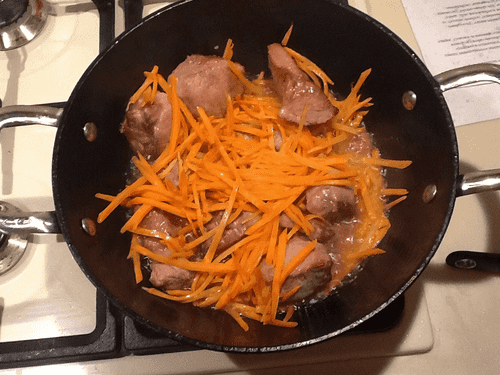
Eastern pilaf in urban conditions is an adaptation of the famous Uzbek dish, allowing one to enjoy its rich flavor even without a traditional fire. This pilaf is characterized by a strong aroma of spices, tender meat texture, and a golden hue of oil-soaked rice. Its flavor base includes sautéed meat, carrots, and onions that create a unique balance of sweetness and umami. Added chickpeas provide density and a nutty note. The pilaf is cooked in a cast-iron cauldron or duck pot, with a final pinch of barberry adding a slight tanginess. This dish is suitable for family gatherings and friendly meetings, and its richness makes it a complete meal that doesn't require additional side dishes.
6
6
105