












Recipe Catalog
No recipes contain all the words, showing recipes that match some of them

This recipe reveals the exquisite simplicity of European cuisine, where parsnip—a root vegetable with natural sweetness—turns into a fragrant treat. Baked with olive oil, it acquires a tender texture and an appetizing golden crust. Cumin adds an Eastern note, giving the dish a warm, spicy hue, while thyme completes the composition with a light freshness. In the past, parsnip was the basis of many European dishes, replacing potatoes before they appeared in the region. Today it is used as a side dish for meat or served on its own, bringing sophistication to the table. This dish is perfect for cozy family dinners and impressive gastronomic experiments.
4
4
20
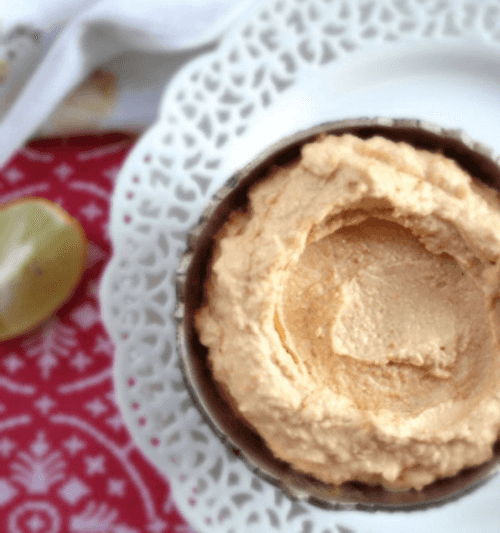
Hummus is an ancient dish with roots in the Middle East and Jewish cuisine. Its velvety texture and rich flavor make it an ideal snack or complement to main dishes. Chickpeas, the main base of hummus, give it a creamy tenderness, while tahini enhances the nutty notes. Cumin and garlic add spiciness, and lemon juice brings a refreshing tang. Olive oil completes the composition, adding smoothness and depth of flavor to the dish. Hummus can be served with flatbreads, fresh vegetables, or used as a dip. It’s not just food — it’s a tradition that brings generations together at one table.
6
8
120
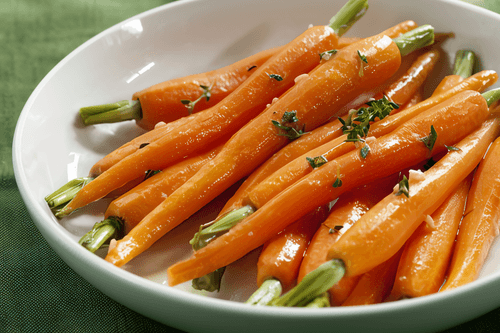
Fried carrots with thyme and olive oil is a simple yet elegant dish rooted in Italian culinary traditions. In Italy, special attention is given to the natural flavors of ingredients, and this recipe is a vivid testament to that. Carrots roasted to tenderness acquire a rich sweetness that pairs perfectly with aromatic fresh thyme and the light spiciness of black pepper. Olive oil adds smoothness and depth to the flavor, making the dish even more robust. It works well as a side for meat or fish dishes but can also serve as a standalone light snack. The dish can be served hot while the carrots remain crisp or at room temperature to allow all flavor nuances to unfold. This is a wonderful example of how minimalism in preparation leads to an astonishingly rich tasting experience.
5
8
30
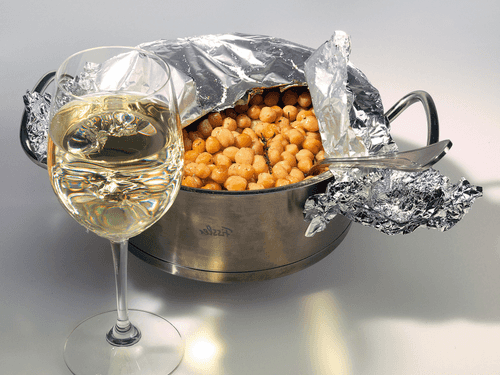
Chickpeas are also called Turkish peas. In the Middle East, they are a fundamental thing, the basis of cuisine. They are used to make everything from hummus to falafel. Even coffee is made from chickpea flour. In Italy, they are dried with peat and deadwood, which gives them a soft nutty aroma, like a good single malt whiskey. In the case of stewed chickpeas, white wine does not play the role of an accompaniment, but an integral component of the dish. Pinot Grigio or retsina go well with chickpeas. They have suitable aromas - hay or resin and a light nutty flavor.
5
6
90
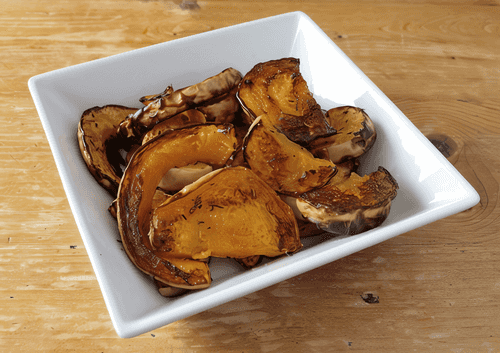
Baked pumpkin with olive oil and thyme is a simple yet elegant dish reflecting the philosophy of European cuisine: natural flavors without unnecessary additives. This recipe may originate from traditional autumn feasts when pumpkins ripened and were used in many dishes. Baked until soft, it acquires a caramelized sweetness that beautifully complements the aroma of fresh thyme and the light spiciness of olive oil. Salt and black pepper enhance the flavor, creating a harmonious balance. This dish can be served as a standalone side, added to salads, or paired with cheeses and nuts. It suits both cozy dinners and festive tables, delighting with its brightness and rich aroma.
6
4
60
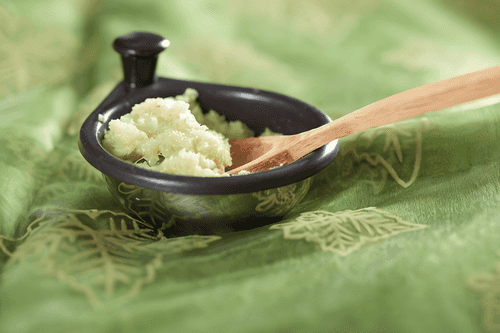
Roasted garlic with olive oil and thyme is a true embodiment of simplicity and refined flavor. This recipe, while minimalist, reveals the full depth of garlic's aroma, transforming it from sharp and pungent to soft, sweet, and velvety. Baked in the oven, garlic becomes creamy, and its caramelized taste harmonizes beautifully with fragrant thyme and rich olive oil. Traditionally used as an exquisite accompaniment to meat, fish, or fresh bread, it creates a rich flavor palette for Chinese cuisine dishes. Its versatility allows roasted garlic to be used in sauces, spreads, and even as a standalone side dish. This dish is a tribute to natural aromas that can turn any meal into a gastronomic delight.
5
4
60
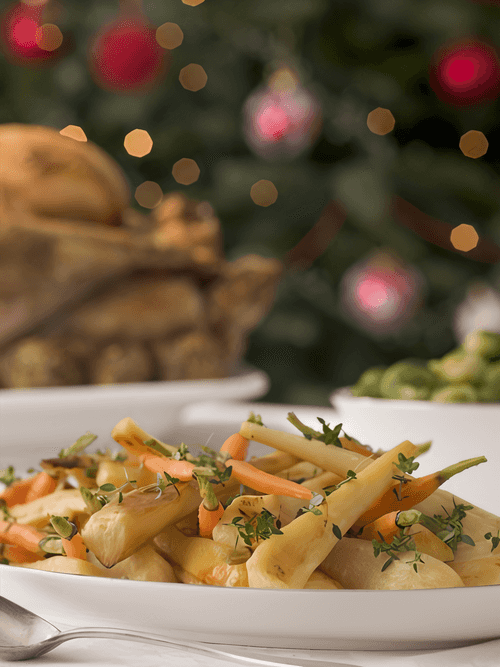
Baked carrots and parsnips with thyme embody the elegant simplicity of French cuisine. Root vegetables roasted to golden tenderness acquire a rich sweet flavor harmoniously complemented by the aroma of thyme. This dish evokes cozy village evenings when food highlights the natural beauty of ingredients. Carrots and parsnips together create a balance of flavors: the former is juicy and bright, while the latter is rich and nutty. Drizzles of olive oil reveal their texture, while salt and pepper add depth. Perfect as a side dish for meat or as a standalone treat with crusty baguette. A simple yet refined recipe celebrating the magic of roasted vegetables.
6
4
30
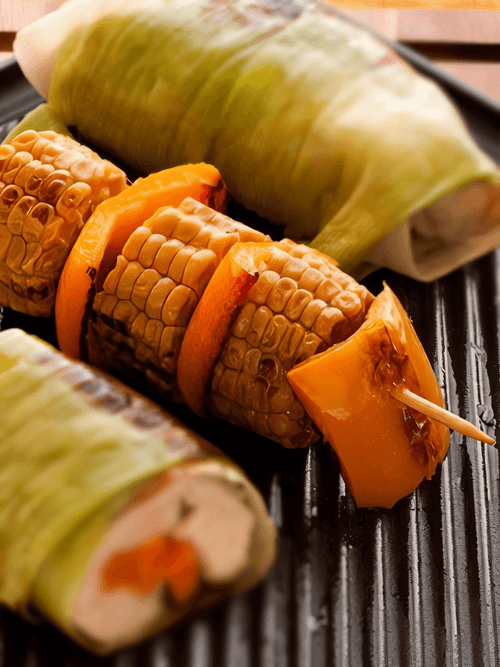
This recipe is a true celebration of Georgian cuisine, vibrant and aromatic. Colorful peppers and young corn soaked in spiced oil with cumin reveal their rich flavor after grilling. Cumin adds subtle Eastern notes to the dish, while fresh cilantro enhances its aroma. The roasted vegetables acquire a tender texture and light sweetness, creating a harmony of flavors. The history of such vegetable skewers dates back to the traditions of Georgian feasts, where vegetables always played an important role alongside meat dishes. They are perfect as a standalone appetizer or as a side dish to main courses. This is an ideal choice for a summer picnic or a cozy dinner outdoors.
9
4
60
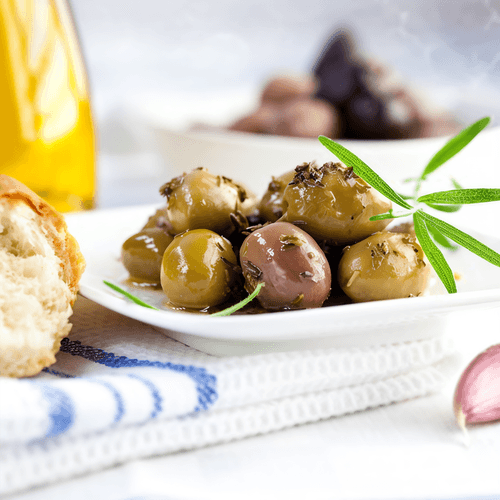
This Mediterranean recipe is a vivid example of simplicity and depth of flavor. Olives, a traditional element of the region's cuisine, gain a special aroma from the combination of warm, spicy notes of cumin and caraway with the citrus freshness of orange zest. The light spiciness of red pepper complements the composition, giving character to the appetizer. The origins of this dish can be found in the culinary traditions of the Mediterranean, where spices play a key role in creating a rich flavor profile. It is perfect as a standalone appetizer for wine or as part of a large antipasto. The simplicity of preparation makes it an excellent choice for those who appreciate harmony of flavors without unnecessary complexity.
6
4
30
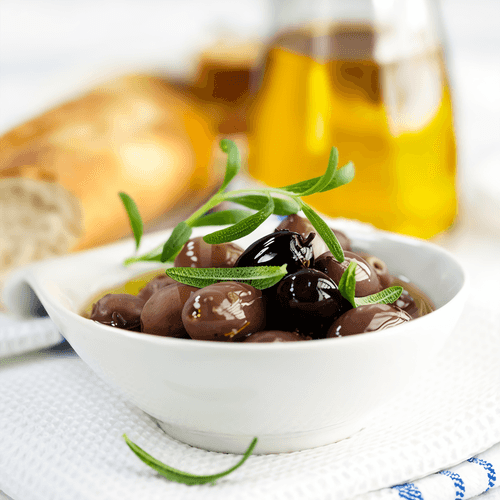
Marinated olives with lemon, thyme, and rosemary are the true embodiment of Mediterranean flavors. This recipe has roots in Italian cuisine where fresh herbs and aromatic citrus combine to create a rich and complex bouquet. Kalamata olives infused with lemon tanginess, delicate thyme notes, and deep rosemary freshness acquire a savory and harmonious taste. The addition of garlic and extra virgin olive oil enhances the richness, making the texture oily and fragrant. These marinated olives are perfect as an appetizer for wines, cheeses, or meat dishes. They adorn the table and awaken the appetite, reminiscent of sunny Italian shores where simple yet exquisite flavors are valued above all.
7
4
5
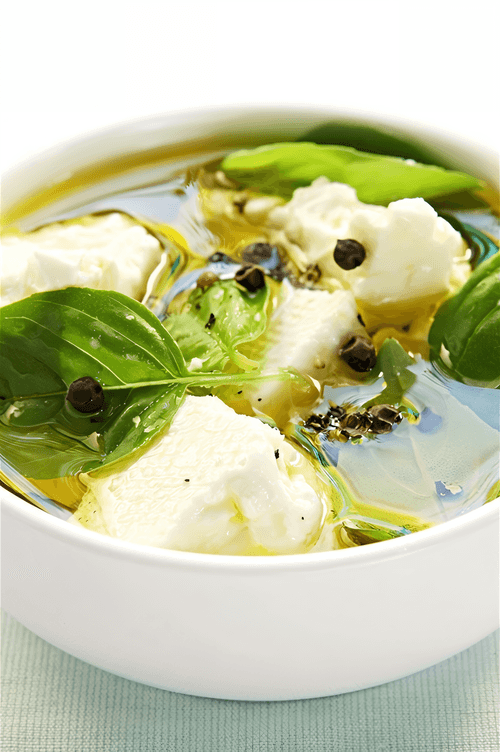
This recipe is a true embodiment of Greek gastronomy, combining freshness and richness of flavors. Goat cheese, with its delicate texture and slight tanginess, is perfectly complemented by a marinade of olive oil, aromatic olives, lemon zest, and cumin. Cumin, characteristic of Mediterranean cuisine, adds warm spiciness to the dish while basil contributes fresh herbal notes. This combination makes the appetizer vibrant and refined. Serve it with crispy bread or soft Greek flatbreads to fully enjoy the balance of flavors. The dish is perfect for a light aperitif or as an accompaniment to wine tasting.
7
4
25
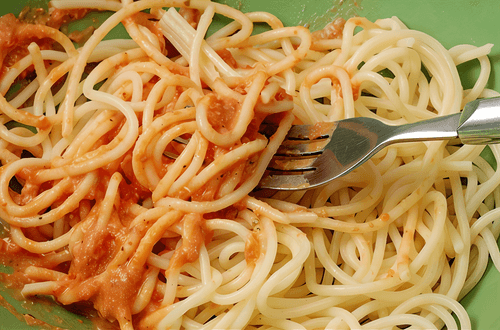
Spaghetti with olive oil, garlic, and red pepper is a classic Italian dish known for its simplicity and elegance. Originating from southern Italy, it values rich flavors and minimalism in ingredients. Warm olive oil enhances the aroma of garlic, giving the pasta a rich taste while red pepper adds a spicy kick. Spaghetti soaked in this aromatic sauce becomes light yet vibrant in flavor. The dish is perfect for a quick dinner or as an accompaniment to more complex dishes like seafood. It truly demonstrates how simple ingredients combined in harmony create refined gastronomic pleasure worthy of the best Italian traditions.
5
4
30
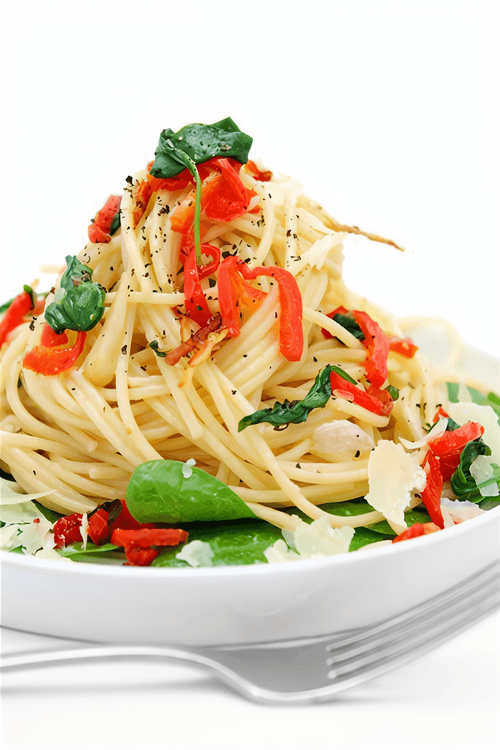
Spaghetti with olive oil, garlic, and chili pepper is one of the simplest and most elegant dishes in Italian cuisine. Its roots trace back to the traditions of the poor, where true culinary masterpieces were created from minimal ingredients. The flavor of this dish is harmonious: the slight spiciness of chili pepper highlights the aroma of garlic, while olive oil adds tenderness and a velvety texture. It is perfect as a standalone dish or as a side to meat and fish. This treat pairs excellently with a glass of white wine, and fresh basil or parsley can add even more aroma. Spaghetti cooks quickly and is suitable for dinner after a long day when you crave something tasty and filling yet uncomplicated.
6
2
30
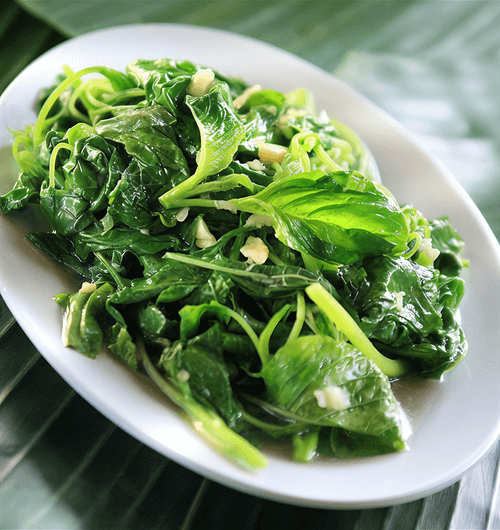
This salad with olive oil, garlic, and lemon is the essence of Italian simplicity and freshness. Its roots trace back to Mediterranean traditions where fresh ingredients and light dressings create a harmony of flavors. The slightly blanched lettuce leaves acquire a tender texture, while the garlic paste adds spiciness. Olive oil envelops the greens with softness, and fresh lemon juice provides a refreshing tang. Salt and black pepper subtly enhance the flavor without overpowering it. This salad is perfect as a side dish for fish or meat and can also serve as a light standalone meal. It gives a feeling of lightness and freshness, like a walk through the sunny hills of Tuscany.
6
4
20
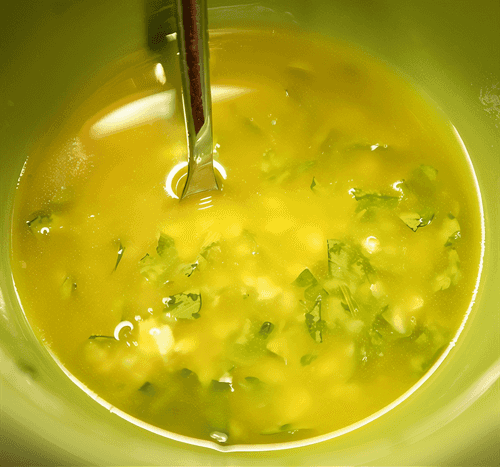
The classic dressing of olive oil and garlic is an exquisite legacy of European cuisine that embodies a harmony of flavors. Simple to prepare yet refined in taste, it combines the silky texture of olive oil with the spicy sharpness of fresh garlic and the sweet-sour notes of balsamic vinegar. This dressing perfectly complements fresh salads, adding depth and richness to them. Its origins trace back to Mediterranean traditions where oil and garlic were not just ingredients but symbols of culinary mastery. Enhance the flavor of crispy baguette or light vegetable dishes with this classic dressing – it adds a touch of elegance and transforms an everyday meal into a gastronomic delight.
4
4
30




















