














Recipe Catalog
No recipes contain all the words, showing recipes that match some of them

The recipe is taken from the collection of recipes by Nastya Ozerova.
7
4
40
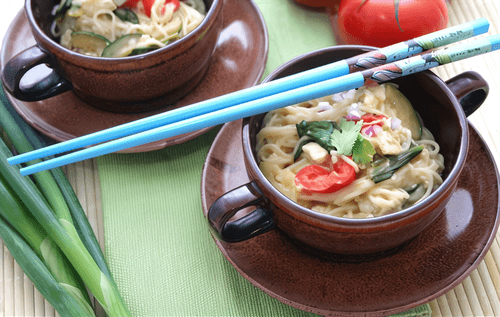
Fried vegetables and tofu with ginger, sesame oil, and miso is a harmonious blend of flavors from Japanese cuisine. The dish combines tender tofu, aromatic ginger, and rich umami notes of miso. Udon adds softness while fresh vegetables provide a crunchy texture and juiciness. The recipe's uniqueness lies in the balance of sweetness, saltiness, and mild spiciness highlighted by sesame oil. It's a nourishing and warming meal perfect for both a weekday dinner and a cozy evening. Miso soup completes the flavor composition infusing the dish with traditional Japanese spirit. Historically, such dishes arose from the philosophy of using fresh seasonal ingredients and the Japanese love for minimalist yet rich flavors. This recipe exemplifies simple yet exquisite Japanese gastronomy that offers warmth and comfort in every bite.
17
6
30
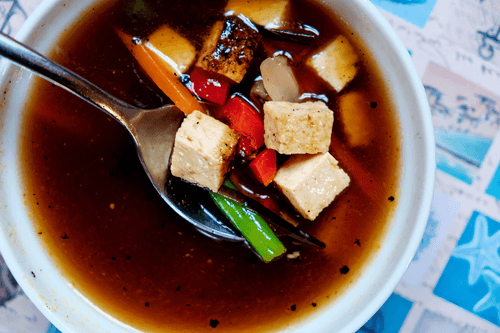
Chef of the capital's restaurant "Sakura Blossom" Hiroki Arakawa shared with the readers of Eda.ru a recipe for a real Japanese miso soup with salmon and tofu. One of the simplest, but at the same time incredibly tasty dishes in Japan. Everything is wonderful in this dish: from the aromatic and rich broth and silky pieces of tofu to the creamy and sweet salmon fillet. If you haven't tried this culinary masterpiece yet, don't waste your time!
7
4
60
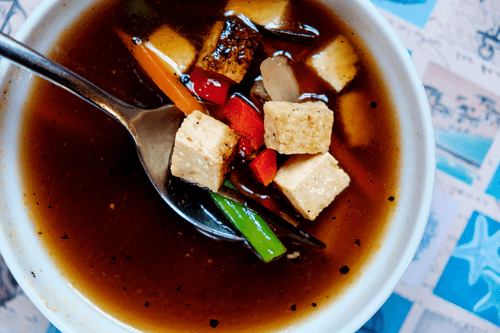
Recipe from the restaurant "Sakura blossom". Miso soup is not the traditional soup that Russians are used to. In Japan, miso soup is a broth that is poured over a hot dish. Miso soup contains a large amount of sodium and is rich in vitamins. The enzymes in the soup have an excellent effect on digestion and also help restore intestinal microflora.
11
4
30
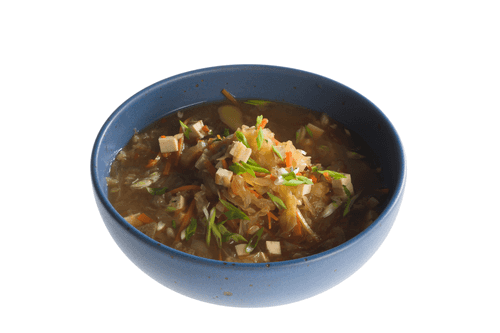
Miso soup is a very basic dish that has become a symbol of Japan no less than sushi. Just add water, grind and mix - that's the whole recipe in a nutshell. According to Japanese etiquette, the soup made from fermented bean paste is not served separately before the main courses, but is sipped throughout the meal to clear the taste buds and restore your appetite. That's why the additives to it are ascetic: tofu cubes, seaweed or greens. You won't find any mushrooms, chicken or shrimp in the bowl of soup - all these additional ingredients have grown onto the traditional recipe, like shells to the bottom of a ship, when the soup reached overseas Japanese restaurants.
9
2
60
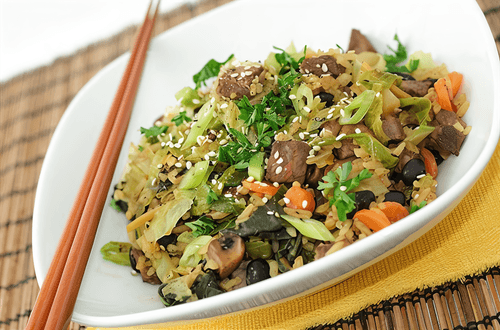
Fried rice with vegetables, soy sauce, miso soup, and pickles is a harmony of flavors in Japanese cuisine. The dish combines tender rice, sautéed mushrooms, tofu, crunchy mini corn, and peas to create a rich texture. Light soy sauce adds zest while airy pieces of egg contribute softness. Miso soup complements the meal with the depth of traditional flavor and pickles refresh with a slight tanginess. This dish reflects the philosophy of Japanese cuisine – a balance of simplicity and sophistication, an ideal blend of umami, sweetness, and freshness. It can be served as a standalone light dish or as part of a full meal. The aroma of sautéed ingredients, creaminess of tofu, and richness of miso make it cozy and warming any time of the year.
12
2
60
Fried vegetables with chili, lemongrass, and miso soup is a vibrant dish of Japanese cuisine that combines rich flavors and textures. The roots of this recipe trace back to traditional Japanese gastronomy where fresh vegetables and aromatic spices play a key role. Spicy chili adds zest, lemongrass brings citrus notes, and miso soup enriches the umami flavor. The vegetables are sautéed to a light caramelization while maintaining a crunchy texture, and the noodles make the dish hearty. This recipe is perfect for a light dinner or warm lunch, providing a balance of nutrients and exquisite Eastern taste.
15
4
30
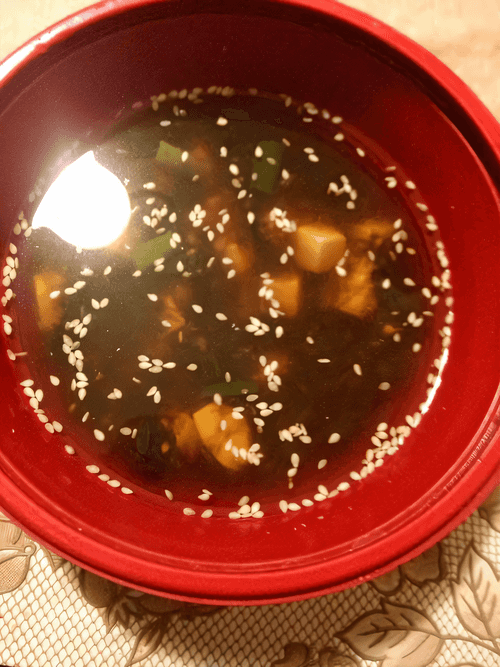
Miso soup with tofu is a traditional Japanese dish symbolizing balance and harmony of flavors. Its history dates back to ancient times when miso paste was used as a base for nutritious and warming dishes. Tender cubes of soft tofu, the rich aroma of dashi broth, the salty-sweet wakame seaweed, and the light spiciness of green onions create a unique taste. Sesame adds a subtle nutty note, making each spoonful rich and fulfilling. This dish is perfect for a light and warming dinner; it is nutritious, rich in beneficial substances, and pairs well with other Japanese delicacies like rice and vegetables. Easy to prepare, this soup brings comfort and warmth in every sip.
7
4
10
This salad is a true embodiment of Japanese philosophy of balance in flavors and textures. It combines tender, velvety tofu with the refreshing crunch of spinach, creating a perfect base for a rich dressing. Peanut butter adds creaminess and nutty depth, soy sauce contributes umami, while miso provides a characteristic salty-sweet complexity. In Japan, such a salad can be found in both home kitchens and small cozy bistros. It is great for a light lunch or as a side dish to main courses, and its chilled version is especially good in the summer heat. The simplicity of preparation makes it accessible even for beginners, while its exquisite taste is a real discovery for gourmets.
5
6
40
Pork with vegetables, sake, and miso paste is a dish where Japanese traditions blend with the rich flavors of meat and vegetable ingredients. The recipe's origins delve deep into Japanese gastronomy, where miso and sake are essential elements of the cuisine. Bacon adds a rich aroma to the dish, while vegetables provide a balance of freshness and sweetness. Shiitake mushrooms contribute a tender texture, and dashi enhances umami notes. Cooking in a wok preserves the juiciness and natural flavors of the ingredients. It is perfect for a cozy dinner or as part of a meal that conveys the Japanese spirit.
11
4
50
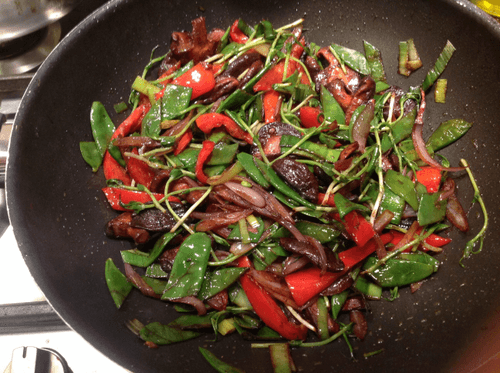
Udon with vegetables sautéed in miso sauce is a harmony of Japanese traditions and depth of flavor. The light, elastic udon noodles absorb the rich, slightly sweet miso sauce enhanced by the aroma of sake and soy sauce. Shiitake mushrooms add earthy richness to the dish, while fresh red pepper and green peas provide brightness and a crunchy texture. Shallots contribute a mild sweetness, and pea sprouts add freshness. The wok helps preserve natural flavors, allowing ingredients to fully unfold. This dish embodies the balance for which Japanese cuisine is renowned and is perfect for both a cozy family dinner and an exquisite culinary experiment. It is enjoyed hot, savoring the depth of each component, and served with a cup of green tea or delicate sake, making the meal even more refined.
12
4
25
Grilled vegetables with miso sauce are a delightful dish of Japanese cuisine that combines rich umami flavors and the tender texture of fresh vegetables. Historically, miso paste made from fermented soybeans is a staple in many Japanese dishes, adding depth to their flavor. In this recipe, sweet pumpkin, spicy red onion, and crunchy bok choy cabbage grilled reveal their natural flavor nuances. The miso sauce with hints of garlic, brown sugar, and rice vinegar gives the vegetables a delicate caramelized glaze. This dish is perfect as a side or light dinner and can be served warm or at room temperature. Topped with toasted sesame seeds and fresh green onions, it becomes a true delight for lovers of Japanese gastronomy.
10
2
30
Teriyaki salmon with pak choi, miso soup, and ramen is the embodiment of Japanese culinary harmony. The dish combines the tender texture of salmon infused with aromatic teriyaki sauce with the light freshness of pak choi and the rich flavor of miso broth. Ramen absorbs the richness of flavors, creating a warm and hearty treat. Teriyaki, a traditional Japanese sauce, gives the fish a caramel sheen and subtle sweetness that perfectly complements the deep umami base of the broth. Bamboo shoots add crunchiness while green onions provide fresh zest. This dish is perfect for dinner when you want to warm up and enjoy a balance of flavors. Japanese cuisine is renowned for its delicate combinations, and this recipe is an excellent example of the skill in uniting ingredients into a single gastronomic masterpiece.
9
2
60
Korean miso soup with rice balls is a harmony of flavors and traditions. This soup embodies the depth of fermented miso paste, the tenderness of tofu, and the freshness of vegetables. Its history roots in Korean cuisine, where the balance of flavor nuances plays a key role. Rice balls infused with sesame oil and spices complement the rich broth, creating a wonderful combination of textures. This soup not only warms but also nourishes, making it perfect for cozy evenings. The spiciness of red pepper paste adds a zesty note while herbs provide freshness. With a variety of ingredients, it becomes a versatile dish that can be tailored to personal preferences by adding different vegetables or mushrooms. It's not just soup—it's culinary art filled with flavor and tradition.
12
2
30
Chicken miso soup with rice is a warm, cozy dish embodying the harmony of Japanese cuisine. Tender chicken meat infused with broth aroma perfectly complements soft rice and sweet carrots. Miso paste adds a rich umami flavor to the soup, while soy sauce and mirin balance salty and sweet notes. This soup is not only nutritious but also easily digestible, making it an ideal choice for a light dinner or recovery after a long day. In Japan, miso soup has deep traditions and is often served as an everyday dish, providing health and comfort. Garnished with fresh green onions, this soup becomes a bright example of the simplicity and sophistication of Japanese gastronomy.
8
2
10




















