














Recipe Catalog
No recipes contain all the words, showing recipes that match some of them
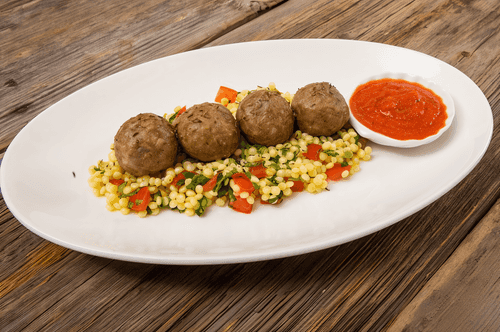
Meatballs with ptitim and homemade adjika are a harmony of flavors inspired by Swedish cuisine traditions. Tender lamb meatballs baked to a golden crust pair with airy ptitim infused with the aroma of fresh tomatoes and herbs. Homemade adjika made from sweet peppers, shallots, garlic, and rosemary adds spiciness and depth to the dish. Spices like coriander and cumin reveal a rich palette of Eastern notes. This dish is perfect for a cozy family dinner or a festive feast, captivating gourmets with its sophistication and rich flavor. Serving it with warm adjika makes it especially comforting, while the aroma of fresh herbs highlights its freshness and naturalness.
15
2
25
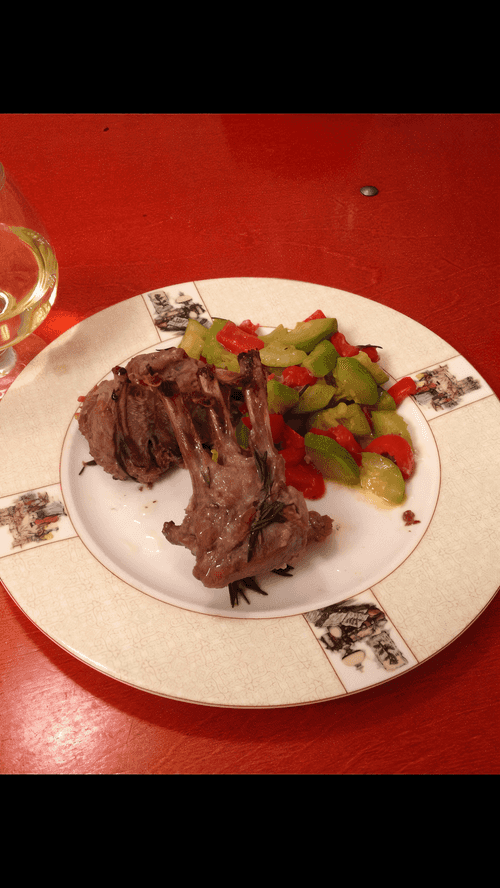
Lamb rack with homemade adjika and vegetable ratatouille is a masterpiece of French cuisine, combining tender meat with the richness of aromatic spices and vegetables. The origins of this dish trace back to Provence, where ratatouille is a traditional side dish highlighting the freshness of local produce. Juicy lamb rack infused with garlic-rosemary oil gains a rich flavor with subtle herbal notes. The slowly cooked vegetable ratatouille reveals the sweetness of peppers, zucchini, and eggplants, while homemade adjika adds a spicy kick and tomato tanginess. This dish is perfect for a festive dinner, blending rustic simplicity with the sophistication of haute cuisine.
13
3
20

Homemade adjika with apples is a fragrant and spicy condiment inspired by European culinary traditions. Its history traces back to ancient recipes of hot sauces that complemented dishes, giving them a rich flavor. In this interpretation, the tartness of apples, juiciness of tomatoes, and spiciness of horseradish harmoniously combine to create a perfect balance of flavors. Its delicate texture and rich bouquet of aromas make adjika a versatile addition to meat, fish dishes, and appetizers. It can be used as a sauce, marinade, or spicy addition to side dishes. Made at home, it retains freshness and natural taste qualities, giving each dish a special character. The spiciness is adjusted with salt and sugar, allowing for the creation of the perfect flavor tailored to one's gastronomic preferences.
7
4
35
Homemade plum adjika is a vibrant embodiment of Georgian cuisine, combining the sweetness of fruits with the spiciness of spices. The history of this dish is rooted in the traditions of the Caucasus region, where spices and fresh vegetables are the basis for many sauces. Aromatic plums give adjika a rich, slightly sweet-and-sour taste that harmoniously complements the heat of chili peppers and the intense aroma of garlic. This adjika pairs perfectly with meat dishes as well as cheeses, enhancing the flavors of familiar foods. It can be used as a marinade for kebabs or a zesty addition to hot dishes. With its natural ingredients and simple preparation, homemade plum adjika will become an essential element in the kitchen for those who love rich and expressive flavors.
7
10
20
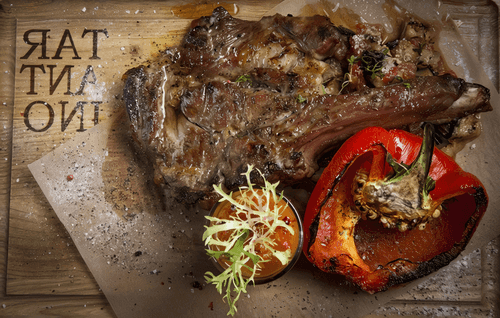
The seventh rib of a milk-fed calf with roasted vegetables and homemade adjika is a true embodiment of the Georgian gastronomic soul. The carefully selected rib of a six-month-old calf grilled to a perfect medium-medium well acquires a rich meaty flavor with a slight smoky note. The garnish of baked eggplant and sweet pepper mixed with tomato concasse and garlic adds freshness and balance to the dish. Homemade adjika adds special spiciness, filling each piece with vibrant Georgian character. This dish is perfect for both family dinners and festive gatherings, delighting guests with its aroma and rich taste. Cress salad completes the composition by adding a light spiciness. The flavor transports you to sunny Georgia, reminding you of warm evenings and the hospitality of this region.
8
1
90
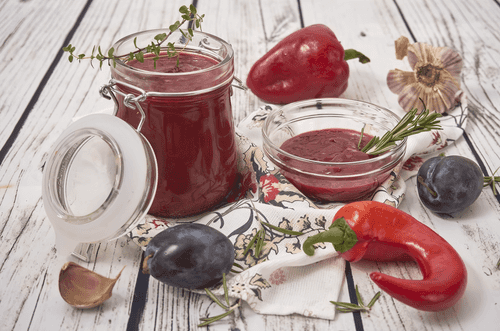
Plum homemade adjika is a bright representative of Georgian cuisine, combining a rich sweet-spicy taste and a piquant aroma. This sauce originated as a variation of traditional adjika but with the addition of juicy plums that give it a special sweet-sour note. Thanks to the use of tomatoes, garlic, and hot peppers, adjika has a pronounced flavor and a pleasant spicy nuance. It pairs perfectly with meat, poultry, fish, and vegetable dishes, enriching them with its rich bouquet. During preparation, the ingredients are chopped and cooked down to achieve an ideal blend of flavors. Plum adjika not only makes the meal rich but also highlights Georgian gastronomic traditions.
7
3
20
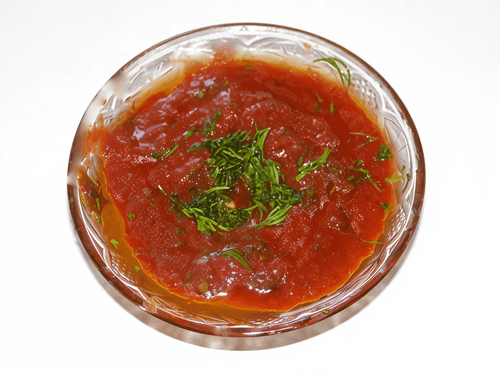
Homemade adjika is a bright representative of Georgian cuisine, a spicy and fiery sauce that adds rich flavor and aroma to dishes. Its roots go back to ancient times when spices and hot seasonings were used not only to enhance taste but also to preserve food. In this recipe, fresh tomatoes and sweet and hot peppers combine with garlic, salt, and vinegar to create a rich, tangy flavor with sweet-sour notes. Adjika perfectly complements meat dishes, vegetables, and even bread, turning them into a true gastronomic delight. It can be used as a marinade or sauce for kebabs and added to soups and side dishes for an extra depth of flavor. This sauce not only warms but also stimulates the appetite, being an indispensable part of the traditional Georgian meal.
6
4
30
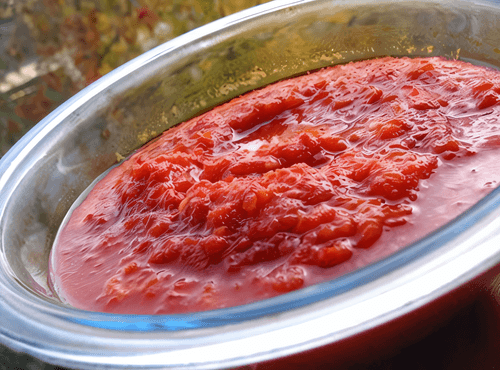
Homemade adjika is a spicy aromatic paste rooted in Soviet cuisine. Its origin is linked to the Caucasus, where it served as a universal seasoning for meat and vegetables. In this recipe, tomatoes, carrots, apples, and sweet peppers create a rich base, while chili and garlic add spiciness. Slow cooking helps to bring out the flavor and depth of all ingredients, turning them into a thick, bright red paste. The uniqueness of adjika lies in its versatility: it can be the base for sauces or marinades or simply an addition to dishes. Its rich, spicy taste makes every serving of food more expressive, and homemade preparation allows for adjusting the heat and sweetness. It is stored in the refrigerator to maintain freshness and aroma intensity.
10
4
225

Homemade adjika is the fiery soul of Georgian cuisine, born from the ancient traditions of the Caucasian people. Its taste is a harmony of sweet ripe tomatoes, soft bell peppers, and the fiery heat of chili peppers. This sauce awakens the appetite and enlivens any dish—from a simple slice of bread to meat delicacies. Homemade adjika is not just a seasoning but a guardian of traditions. It warms the soul, filling the home with aromas of spices and sharpness. By adding vinegar, salt, and sugar, we achieve balanced acidity and flavor richness. Spicy, rich, and flavorful, it perfectly complements Georgian dishes, highlighting their richness and depth of taste.
8
10
40
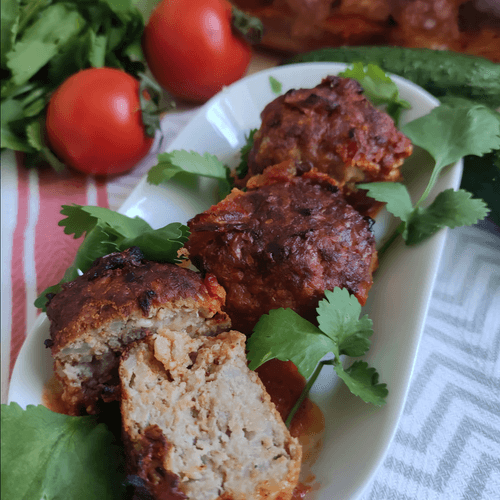
Homemade meatballs in tomato sauce are a cozy dish of Russian cuisine, infused with traditions and the warmth of home. Their origin traces back to ancient recipes where meat was combined with grains, creating a nutritious and aromatic treat. Tender meatballs made from juicy minced meat with rice and spices are fried to a delicious crust and then baked in a rich tomato sauce that gives them a rich flavor with a slight tanginess. Sour cream softens the sauce while vegetables add juiciness. This dish pairs perfectly with mashed potatoes or fresh vegetables. Meatballs can be served as an everyday meal, but their aroma and taste make them an excellent choice for family celebrations.
13
6
90
Swedish home meatballs are the embodiment of comfort and traditions of northern cuisine. Their history dates back to ancient times when meat was ground by hand and spices were carefully selected to create the perfect flavor balance. Tender, juicy, and aromatic, they have won love not only in Sweden but around the world. The dish is based on a harmonious combination of beef and pork, giving the filling a rich taste. The slight spiciness of black pepper and the softness of bread make the texture delicate and airy. Fried to a golden crust, meatballs become not just a hearty lunch but a true gastronomic delight. They can be served with traditional mashed potatoes and lingonberry sauce that highlights the rich meaty flavor. This dish is perfect for a family dinner or a cozy evening with loved ones.
7
4
60

Tender chicken cutlets with ptitim are a cozy and aromatic dish from Jewish cuisine. Ptitim, also known as 'Israeli couscous,' was created in the 1950s as an affordable alternative to rice and became part of the national cuisine. The cutlets made from chicken fillet with soft white bread and cream turn out juicy and airy. A light hint of dill adds freshness and harmoniously complements the flavor. They are fried to a golden crust and served with tender, buttery ptitim and crunchy cucumbers, creating a pleasant contrast of textures. This dish is perfect for both family dinners and cozy gatherings with friends, warming with its homey atmosphere and rich taste.
9
2
25
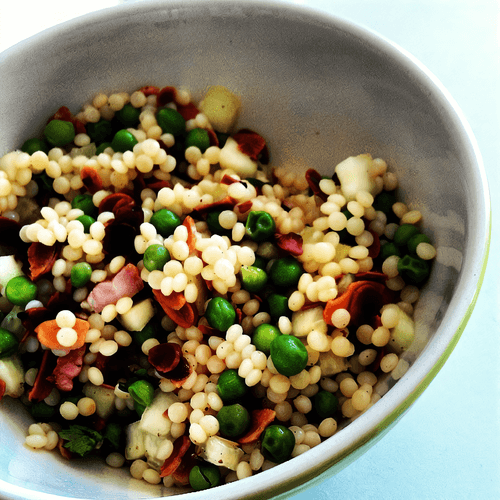
Salad of ptitim with bacon, green peas, and lemon is an exquisite blend of flavors inspired by Jewish cuisine traditions. Ptitim, or Israeli couscous, emerged in the 1950s as a response to rice shortages in Israel. In this recipe, it gains a rich flavor from lemon sauce and olive oil. Crispy bacon adds zest while fresh green peas and cucumber contribute juiciness. Feta and almond flakes enrich the dish with a delicate texture, while poppy seeds and herbs complete the harmony of aromas. This salad is perfect for a light lunch or festive table, offering a wealth of flavor nuances in every bite.
12
4
20
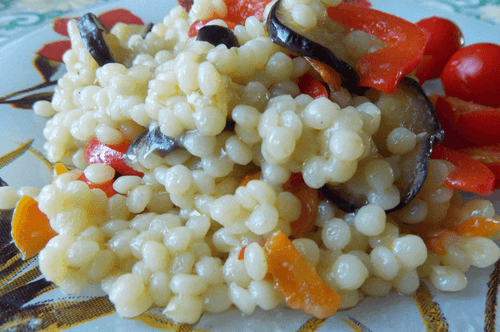
Ptitim with eggplant and bell pepper is a vibrant dish of Jewish cuisine that combines simplicity in preparation with rich flavors. Ptitim, also known as 'Israeli couscous', emerged in the 1950s when Israel sought an alternative to rice. Its delicate texture pairs wonderfully with aromatic vegetables. Fried eggplants add a rich, slightly smoky flavor to the dish, while bell pepper contributes sweet freshness. Garlic and carrots enhance the depth of flavor, and red basil and spices add zest. Perfect as a side or standalone dish, especially with olive oil creating a velvety consistency. Easy to prepare, nutritious, and incredibly tasty – this recipe will be a highlight on any table.
10
4
30
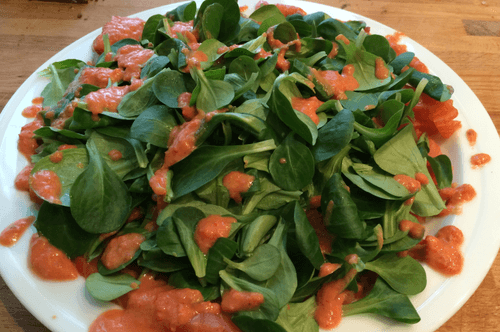
Salmon carpaccio with lightly salted salmon, adjika, and horseradish is an exquisite dish inspired by Italian traditions. The lightness and tenderness of the salmon harmoniously combine with the bright spiciness of adjika and the sharpness of horseradish, creating a delightful contrast of flavors. The origins of carpaccio trace back to Venice, where it was first made from beef, but over time variations with fish became equally popular. This salmon version is a great choice for gourmets who appreciate freshness and sophistication. Corn salad adds a textural play, while the tomato-pepper sauce with garlic gives the dish richness and a slight sweetness. Such carpaccio would make an excellent appetizer for a festive table or an elegant option for a romantic dinner, highlighting the richness of Mediterranean cuisine.
10
6
10




















